


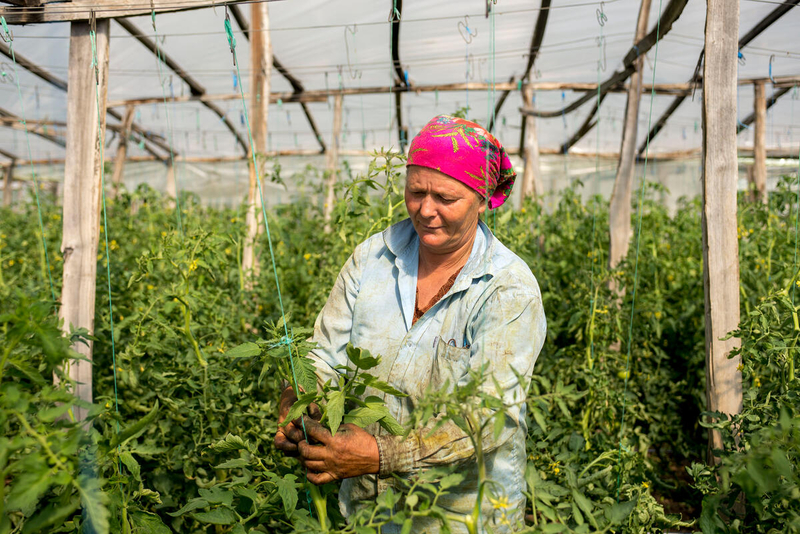
Achieving Gender Equality Through Agrifood Systems
Gender equality and agrifood systems are deeply interconnected; addressing one is essential for progress in the other. Women play a pivotal role in agrifood systems, serving as key contributors and agents of change. According to the FAO, over 66% of women in sub-Saharan Africa and 71% in Southern Asia are actively involved in agrifood systems. Despite their significant participation, women continue to face systemic gender inequalities, from land rights issues to disparities in access to vital resources and technologies.
The Reality of Food Insecurity
The gendered dimensions of food insecurity are stark. In 2023, approximately 26.7% of adult women experienced moderate to severe food insecurity. During crises, this disparity often deepens, with women typically having less access to food than their male counterparts.
A Wicked Problem Requires Comprehensive Solutions
Gender inequality in agrifood systems represents a “wicked problem,” characterized by its complex and multifaceted nature. The FAO has recognized the importance of integrating gender equality into their Science and Innovation Strategy, emphasizing that equitable involvement of women is essential for eliminating hunger and poverty.
Innovative Approaches to Gender and Agrifood Systems
There are four significant areas where innovation can catalyze a triple win for gender equality, food and nutrition security, and women’s empowerment:
- Inclusive Innovations: It is vital to develop technologies and policies that address the specific needs and priorities of women. Often, women’s contributions as farmers are overlooked in discussions about agriculture, leading to imbalanced resource distribution. Furthermore, technologies are frequently inaccessible or unaffordable for women, who held less than 40% of land rights in many countries as of 2024.
- Enhancing Agency and Leadership: Women and girls are instrumental in tackling issues related to food security and climate change, yet their roles are often under-recognized. Data from the Global Food 50/50 Index indicates that 71% of leadership positions in food systems organizations are held by men. Strategies are needed to increase women’s representation and leadership in policy-making processes.
- Challenging Social Norms: Traditional social and cultural norms significantly restrict women’s opportunities within agrifood systems. These norms can impede access to resources, technology adoption, and participation in agricultural markets. Innovative gender-transformative approaches must be scaled up to challenge these harmful norms and redefine gender expectations.
- Holistic Policy and Support Systems: Policies should address the multifaceted needs of women within agrifood systems, including social protections that support women in informal employment, recognition of unpaid labor, and efforts to combat gender-based violence in the workplace. Prioritizing women’s rights and needs at the center of policy will drive systemic change.
The Role of Research and Data
Research and data collection play a crucial role in understanding and implementing these innovative strategies. Tools like the Women’s Empowerment in Agriculture Index can identify areas for growth and empowerment initiatives. Institutions and programs, such as the Joint Programme on Rural Women’s Economic Empowerment, are essential for measuring the impact of these efforts.
Conclusion
To achieve gender equality within agrifood systems, collaborative efforts must elevate women’s rights and address systemic inequalities. Through innovative research, inclusive practices, and supportive policies, a transformative impact can be made—not only for women but for the entire agrifood system. The future of food security depends on creating equitable opportunities that empower women as leaders and essential actors in this sector.
For further insights on gender equality and agrifood systems, the FAO provides detailed reports and resources.
Dr. Jemimah Njuki is the Chief of the Economic Empowerment section at UN Women, leading initiatives focused on women’s rights and economic justice.
