


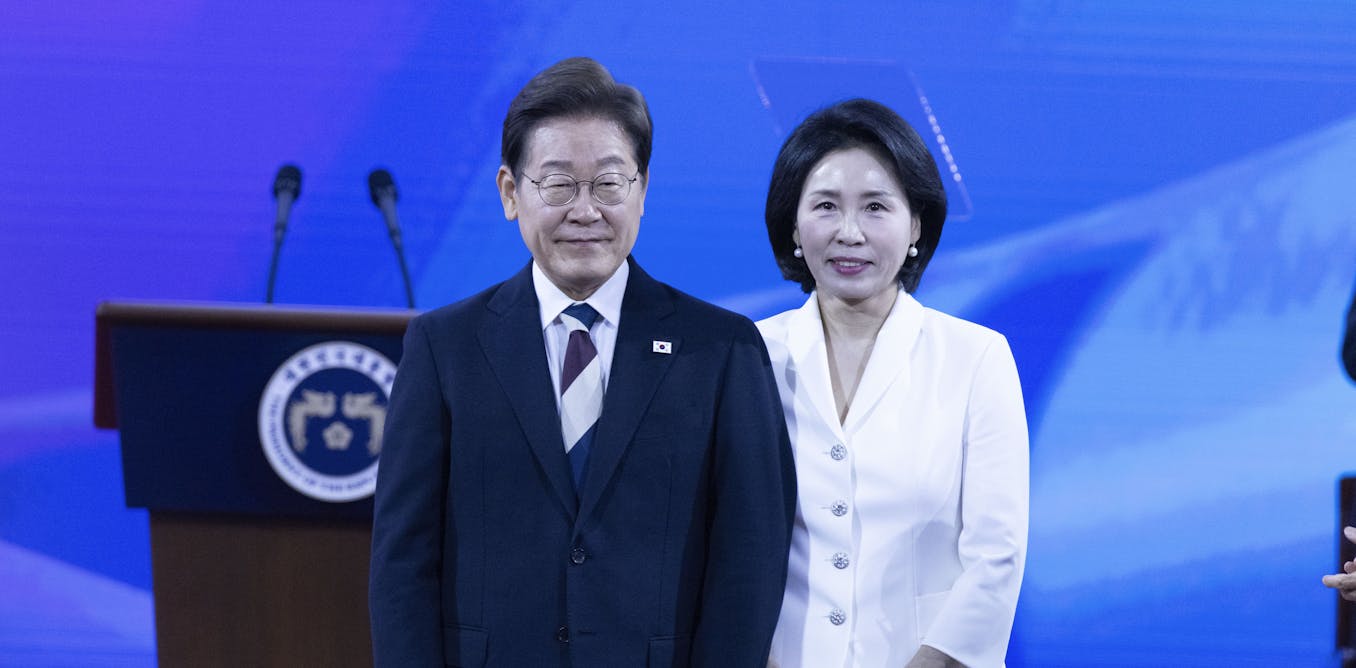
Lee Jae-myung’s Presidential Victory: Understanding the Gender Dynamics at Play
In a decisive outcome, Lee Jae-myung emerged victorious in South Korea’s recent snap presidential election, garnering nearly 50% of the vote. His conservative opponent, Kim Moon-soo, followed with approximately 41%. This election has further highlighted the significant divisions along gender lines within the nation.
Context of the Election
Lee’s victory comes on the heels of a chaotic political landscape following the impeachment of former president Yoon Suk Yeol, who provoked widespread unrest by declaring martial law in December 2024. Lee’s campaign skillfully resonated with public sentiments seeking political renewal and stability.
The Gender Divide in South Korean Politics
Despite the election results reflecting a shift in leadership, the underlying gender conflict in South Korea remains a potent force in shaping political discourse and voter behavior. While candidates largely sidestepped meaningful discussions on gender-related issues—such as workplace discrimination and domestic violence—this backdrop significantly influenced their campaign strategies.
- In the prior election, Yoon capitalized on perceived discrimination against young men, thereby securing a significant share of their votes.
- Polling from his tenure showed that he garnered 59% support from men in their 20s and 53% from men in their 30s, contrasting with only 34% of women in their 20s who supported him.
A Missed Opportunity for Addressing Gender Inequality
In the latest election cycle, no candidates introduced substantial policies targeting the structural inequalities facing women in South Korea. It marked a troubling trend where not a single woman was among the contenders for the presidency, underscoring the lack of representation that women face in political spaces.
Lee Jae-myung, aiming to be viewed as a unifying candidate, dismissed questions about gender-specific policies with statements like, “Why do you keep dividing men and women? They are all Koreans.” This remark, intended to promote inclusivity, inadvertently sidesteps critical conversations surrounding gender inequality.
Young Men’s Frustrations and Political Mobilization
Lee Jun-seok from the Reform party attempted to rekindle Yoon’s successful strategies by provoking divisions among young voters. His controversial remarks during debates attempted to draw parallels to past inflammatory statements, ultimately backfiring and costing him in the polls.
As the gender divide continues to influence political affiliations, many young men feel disenfranchised by stagnant economic conditions and fierce job competition. This has led to a perception among some that feminism and gender equality initiatives are at the root of their struggles, rather than recognizing broader socioeconomic issues that affect all young Koreans.
Global Perspectives on Gender-Related Political Dynamics
The challenges posed by gender dynamics are not unique to South Korea. Globally, moments of backlash against feminism can be seen in various political climates. For instance, in the United States, young men have shown stronger support for certain populist candidates, highlighting shifting attitudes surrounding gender in politics worldwide.
Movements advocating for gender equality have garnered attention, with notable political figures even leveraging women’s roles in society to promote platforms that restrict their rights. Similar trends can be observed in various countries, indicating a broader global phenomenon.
Paths Forward: Addressing Gender Representation
To empower women’s voices in the political arena, South Korea could consider implementing quotas to increase female representation in its National Assembly, where women currently hold around 20% of the seats—significantly lower than both global and regional averages. Such measures could ensure that women’s perspectives are adequately represented in policymaking processes.
Conclusion
Lee Jae-myung’s electoral victory presents a moment of reflection for South Korea. As divisions linger among genders, the potential for populism to exploit these fractures remains a significant concern. Addressing these dynamics thoughtfully will be crucial for political stability and progress in the country.
