


Love and Finances: A Modern Dating Dilemma
In today’s dating landscape, financial habits can significantly impact relationships. A recent incident involving a 23-year-old woman from Florida has sparked widespread discussion about finances in romantic settings.
The Initial Romance
This young woman had been dating a 32-year-old man for over a month, and initially, things seemed promising. They spent considerable time together, engaging in various activities, including runs, beach outings, and dinners. He was proactive in planning their dates, even covering transportation costs, which created an impression of a thoughtful partner.
The Request for Repayment
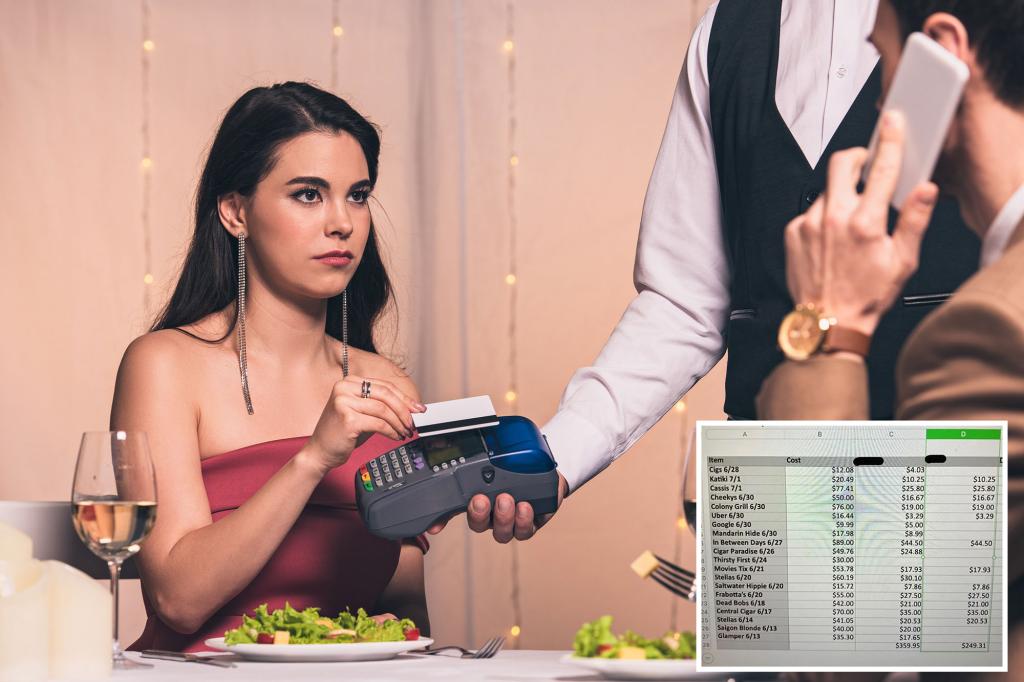
However, the relationship took a turn when he presented her with a detailed Excel spreadsheet outlining the expenses incurred during their outings, totaling nearly $300. He requested reimbursement for these expenditures, stating, “Hate to ask but can [you] Venmo or Zelle me some [money] for the last few weeks?”
The spreadsheet meticulously documented dates, activities, and costs, which included meals and drinks, converting what seemed to be a thoughtful gesture into a transactional scenario. The total amount she owed him was calculated to be $249.31.
Reactions and Consequences
Despite agreeing to pay $100 of the total, the situation escalated when he subsequently sought an additional $90 to cover a debt owed to his friend. This left the young woman feeling taken aback and questioning the nature of their budding relationship.
Community Response
Seeking advice online, she expressed her confusion, wondering if her boyfriend’s frugality was a red flag. Responses from social media users highlighted concerns about the appropriateness of such a request, with one commenter stating, “Sending you a spreadsheet is giving American Psycho. RUN.” Others echoed the sentiment that dating should not devolve into business transactions, emphasizing the importance of trust and shared financial responsibility.
Taking Stock of Values
This encounter raises broader questions about expectations regarding financial contributions in relationships. While some couples prefer to share expenses equally, others view it as a more traditional arrangement where one partner covers most costs. Each dynamic is influenced by personal values, financial situations, and the nature of the relationship.
Ultimately, the woman’s experience serves as a reminder for individuals to communicate openly about financial habits and expectations early in their relationships to avoid misunderstandings and future discord.
