


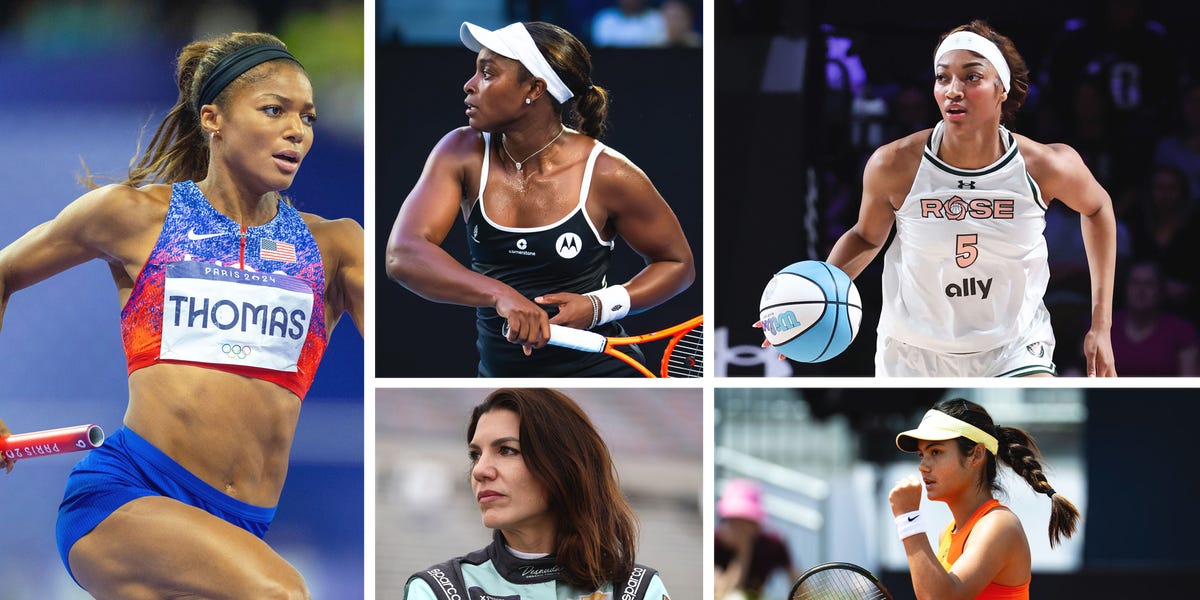
The Stalking Epidemic: Harassment in Women’s Sports
The rise in visibility for women’s sports is a positive development, but it has also led to an alarming increase in stalking and harassment incidents faced by female athletes. High-profile athletes like Gabby Thomas, Sunisa Lee, and Simone Biles are sharing their experiences, illustrating a disturbing trend that many have come to recognize as part of their professional lives.
Voices of Concern from Top Athletes
In a revealing TikTok post from January, Olympic track star Gabby Thomas expressed her fears of being stalked, recounting multiple encounters with aggressive fans who demand autographs. “Since we are public figures, many feel that we owe them something,” she stated in an interview with ELLE.
Gymnast Sunisa Lee resonated with Thomas’s fears, confirming, “This has happened to me MULTIPLE times,” while other athletes, including tennis star Coco Gauff and gymnast Olivia Dunne, have echoed similar sentiments, emphasizing the pervasive nature of this issue.
A Pattern of Harassment
The collective experiences of athletes suggest that harassment is not merely anecdotal but rather a trend that has grown as women’s sports gain more visibility. In August, a man was arrested for his obsessive behavior towards UConn’s Paige Bueckers, further illuminating the dangers athletes can face both online and offline.
Katie Boulter, an English tennis player, also highlighted the risks, sharing a troubling encounter where she faced threats at a tournament. The frequency of such incidents raises critical questions about safety and privacy for female athletes.
Harassment as a Reality of Increased Visibility
As media coverage of women’s sports has significantly increased—tripling since 2019—the visibility of female athletes has unfortunately led to heightened harassment. Dr. Sameer Hinduja, a researcher on cyberbullying, notes, “Their visibility has translated into an increased frequency and severity of harassment.” This sentiment is shared by Thomas, who remarked on the entitlement some fans feel toward women’s personal space.
The Business of Sports and its Consequences
The surge in interest in women’s sports, exemplified by record attendance at games and viewership milestones, does not come without its repercussions. As more fans engage, the likelihood that athletes will encounter harmful interactions rises—an alarming trade-off for their success.
Recent statistics reveal that the growing popularity correlates with a disturbing rise in online abuse. Reports indicate that 87% of the online harassment directed at athletes during the 2020 Tokyo Olympics was aimed at women.
Specific Cases of Harassment
High-profile cases further illustrate the severity and impact of such harassment. Caitlin Clark of the Indiana Fever faced vulgar messages online, while Emma Raducanu reported being targeted at a tournament. These occurrences are not isolated incidents but rather part of a troubling trend affecting female athletes across various sports.
Even during major events, threats loom large. Athletes like Sloane Stephens experience consistent online abuse, receiving hundreds of hostile messages each week, regardless of wins or losses. “To do your job and also manage being harassed is another job in itself,” said Stephens, emphasizing the heavy toll such experiences take on mental health.
Impacts on Mental Health and Athletic Careers
The ramifications of this stalking and harassment extend beyond immediate danger; they also have lasting psychological effects. Reports indicate that many athletes experience heightened anxiety, fear for their safety, and even depression as they navigate their careers while under scrutiny.
Emily Infeld, a long-distance runner, detailed her ordeal with a persistent stalker, which led her to seek legal protections. “You just don’t know what they are capable of,” Infeld remarked, signifying the unpredictability of threats faced by athletes. Similar stories abound, shedding light on the oppressive atmosphere many female athletes endure.
Addressing the Issue
Experts advocate for stronger protective measures and clear policies against harassment in sports. Both the Women’s Tennis Association and the WNBA are taking steps to combat this issue, including increased security measures and mental health support for players.
Moreover, fans play a crucial role in acknowledging that these athletes are more than just their performances. Understanding and respect can create a safer environment for athletes, allowing them to focus on what they love—competing in their sport.
Conclusion
As the landscape of women’s sports evolves, it is imperative to recognize and combat the harassment that casts a shadow over these achievements. Just as athletes strive for success on the field, society must also strive for a culture that respects their dignity off it. Their stories serve as a call to action for change, fostering a safer and more supportive environment for current and future generations of athletes.
