


Understanding Women’s Emotional Expressions in the Workplace
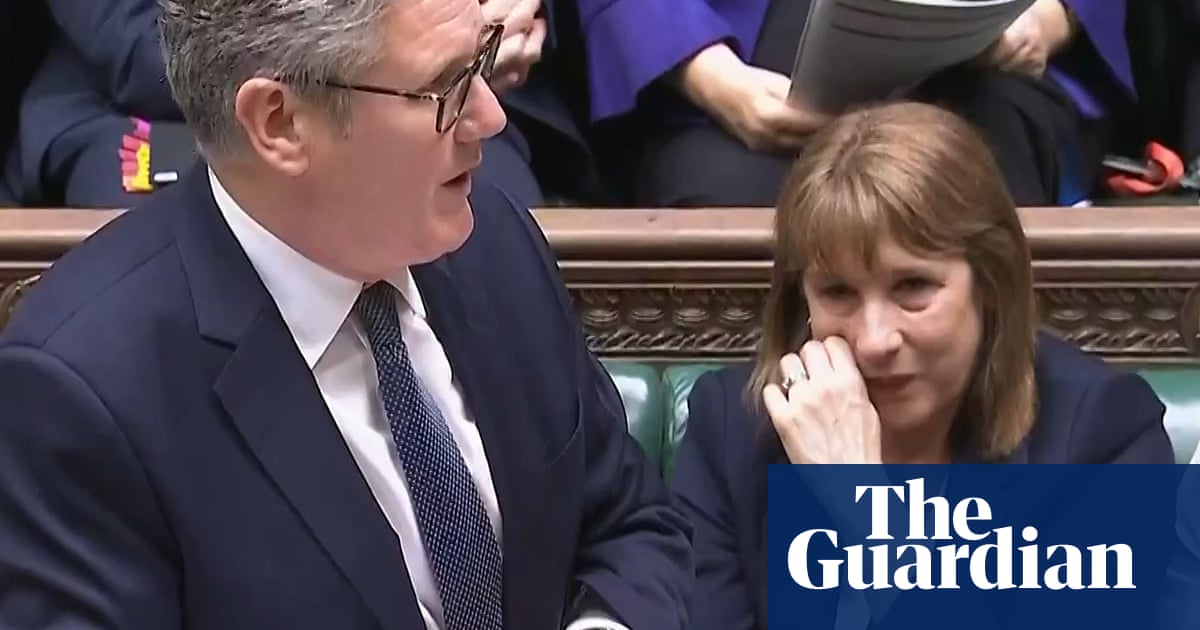
This week, Rachel Reeves, the Chancellor of the Exchequer, was observed in a vulnerable moment during a session in the House of Commons, shedding tears that spurred reactions across the political spectrum. Critiques emerged, particularly from male commentators, regarding the impact of her emotional display on her leadership credibility and its potential effects on the economy. The media questioned her authority, with a notable article in the Telegraph wondering, “What is wrong with Rachel Reeves?”
A Shift in Perception
Despite the immediate backlash, Reeves’s emotional moment could catalyze a broader acceptance of women’s emotional expressions in professional contexts. Historically, women have faced stigma for displaying vulnerability, particularly in leadership roles, making Reeves’s incident a focal point for discussions about gender and emotional expression in the workplace.
The Normalization of Tears
The stigma around women crying at work often leads to embarrassment and shame. However, Reeves’s experience may challenge these entrenched perceptions, illustrating that emotional responses are a natural part of professional pressures.
Reeves’s Reflection
In a follow-up, Reeves commented, “People saw I was upset, but that was yesterday. Today’s a new day and I’m just cracking on with the job,” highlighting her resilience and commitment despite the scrutiny. Her speech was bolstered by reassurances from Prime Minister Keir Starmer regarding her long-term position.
Historical Context and Gender Dynamics
Emotional displays by leaders, particularly men, have often been perceived differently. For instance, former Prime Minister Gordon Brown was known for intense outbursts that were often overlooked or excused as part of the pressure of leadership. In contrast, women like Theresa May and Margaret Thatcher also showed emotion during significant moments, but were met with different societal reactions.
Research Insights
Studies have consistently shown gender differences in emotional expression. According to YouGov polling, 34% of men reported not crying at all in the past year, compared to just 7% of women. Furthermore, a 2011 study involving over 5,000 participants indicated that women across various cultures exhibit higher tendencies to cry than their male counterparts.
Encouraging Empathy in Leadership
Rosie Campbell, a professor of politics, articulated the challenges posed by the negativity surrounding Reeves’s tears. “In our society, women are more likely to cry. That doesn’t make them worse leaders,” she stated. This perspective aligns with a growing understanding that emotional intelligence is a crucial attribute in leadership, often enhancing trust and relatability rather than undermining authority.
Elevating the Discussion Around Emotional Expression
Experts in psychology suggest that emotional expression, particularly tears, can signal stress rather than incompetence. Ad Vingerhoets, a clinical psychology professor, observes that societal pressures often dictate emotional responses, with men conditioned toward aggression, while women may find themselves expressing frustration through tears.
Conclusion: A Call for Change
As the dynamics in political representation evolve—evident in the record number of female MPs in the UK Parliament—there remains a critical opportunity to reshape the conversation on emotional expression in professional environments. While such moments may provoke initial criticism, they can also pave the way for a more nuanced understanding of leadership, compassion, and emotional resilience.
Ultimately, allowing emotional expressions in professional settings can foster a more inclusive and empathetic workplace. As more women ascend to leadership positions, their experiences may contribute to a gradual cultural shift that embraces emotional authenticity as a strength rather than a liability.
