


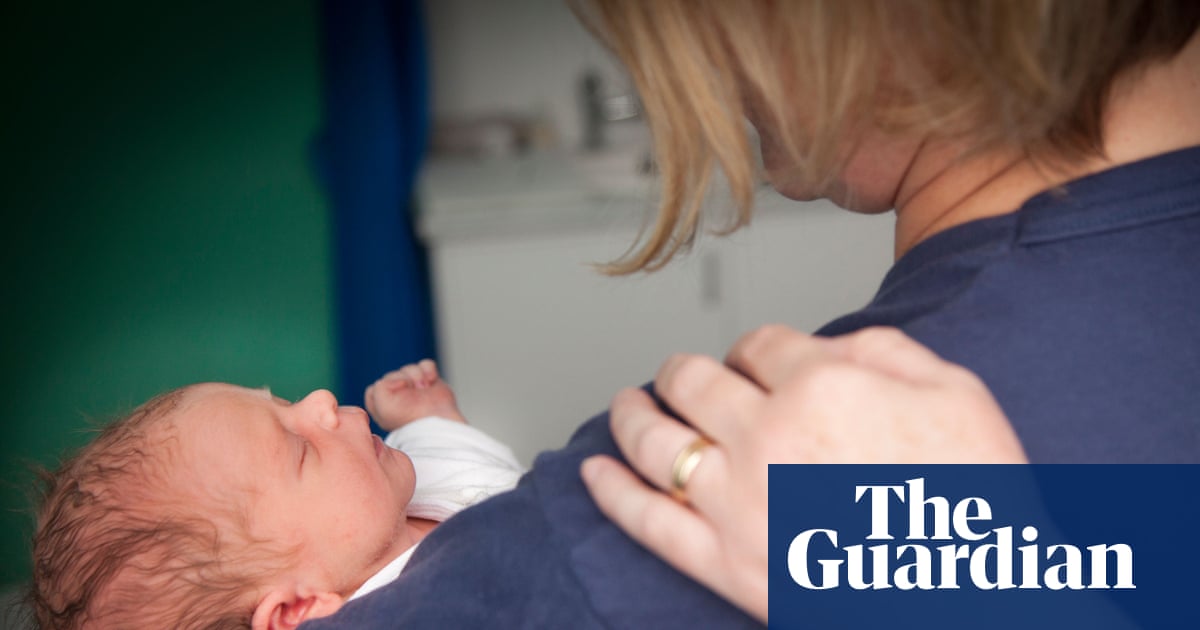
The increasing prevalence of medically assisted births in the UK, particularly via Caesarean section, reflects a complex interplay of factors that extend beyond maternal characteristics. While it is noted that women today tend to be older, heavier, and often face more intricate medical issues, these details alone fail to capture the broader context influencing this trend.
Influencing Factors Behind Rising Caesarean Rates
A multi-faceted set of clinical and societal elements actively contributes to the rising rate of surgical interventions during birth. For instance:
- Defensive Medical Practices: Increased legal concerns may compel healthcare providers to opt for Caesarean sections as a precautionary measure to mitigate potential complications or lawsuits.
- Decline in Training: A noted reduction in the opportunities for midwives and obstetricians to hone their skills in supporting natural childbirth is significant, potentially reducing their confidence in managing non-surgical births.
- Misinformation Amplified by Social Media: The pervasive spread of alarming information and narratives online has elevated anxiety among expectant parents, further influencing their birth preferences and choices.
The Current Landscape of Birth Interventions
As a result of these intertwined factors, more than half of newborns now enter the world via surgical means. Alarmingly, this trend has not corresponded with improved rates in maternal or perinatal mortality. This disconnect raises concerns about the potential long-term effects on the health and wellbeing of future generations.
Expert Insights
Dr. Debbie Garrod, a midwife and antenatal educator from Abingdon, Oxfordshire, articulates these concerns, urging that attributing the rise in Caesarean births solely to maternal factors overlooks crucial clinical and societal influences. The narrative surrounding childbirth needs to encompass these dimensions to foster a more informed public dialogue.
In conclusion, addressing the factors contributing to the rise in medically assisted births requires a comprehensive understanding that transcends simplistic explanations. By engaging healthcare professionals, policymakers, and communities, a collaborative effort could lead to improved practices and outcomes in maternal care.
