


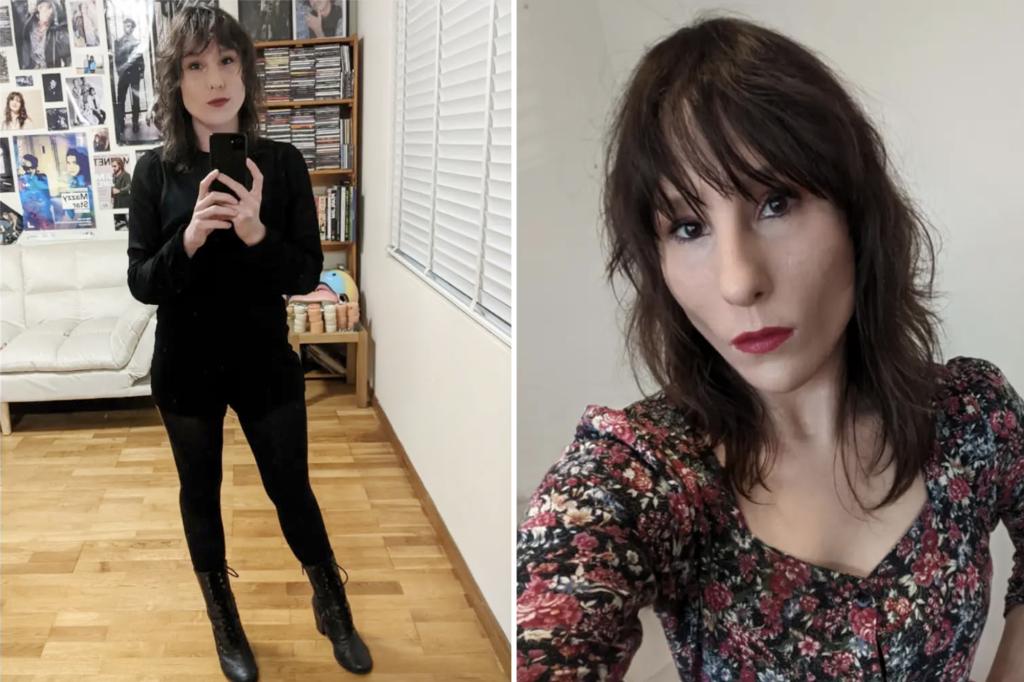
Elena Filipczyk, a 31-year-old writer and PhD candidate, reflects on her life navigating the complexities of autism. Diagnosed at 28, she reveals that her experiences have been defined by a profound sense of duality.
Academic Achievement and Personal Struggles
Despite excelling academically—having been the Dux of her high school and graduating with a double degree—Elena has faced social isolation. She recounts, “I graduated with a double-degree, but I couldn’t make eye contact with the cute guys in my classes.” At age 31, the absence of personal relationships adds to her feelings of being different.
Understanding Autism in Women
Elena’s journey highlights a broader issue related to autism diagnosis among women. Recent studies indicate that 80% of autistic females remain undiagnosed by age 18. Historically, autism was viewed primarily as a male condition, leading to a lack of recognition of how it presents in women.
Support Systems and Barriers
After receiving her diagnosis, Elena sought support through the National Disability Insurance Scheme (NDIS) to address her social isolation, especially following the loss of her parents. She described the relief she felt upon being accepted into the NDIS but was soon confronted with barriers that reflect systemic biases.
In her initial planning meeting, she requested specific therapies—psychosexual therapy and pelvic floor physiotherapy—to address her social anxiety and physical trauma, but received skepticism. An NDIS worker questioned the relevance of these therapies to her autism, saying, “There’s no direct link from autism to psychosexual therapy or pelvic floor physiotherapy for your vaginis… whatever.” This lack of understanding underscores the male-centric view often prevalent in autism support services.
Issues Faced by Autistic Women
Elena’s experience is not unique. Research indicates that autistic women frequently experience poorer sexual health outcomes compared to their male counterparts. Alarmingly, studies suggest that 9 out of 10 autistic women face sexual violence, a statistic that resonates deeply with many individuals, including Elena.
Reevaluating Treatment for Autistic Women
As Elena navigates her NDIS application, she notes the challenges posed by a system not adequately accommodating women’s specific needs. Despite being offered services such as speech therapy, which she did not require, she stresses that what is truly needed are therapies that address trauma and help foster healthy relationships.
Conclusion
Elena’s story sheds light on the complexities of living as an autistic woman. She calls attention to the necessity for a more nuanced approach to autism diagnosis and treatment that recognizes the unique challenges faced by women. Through her advocacy and personal narratives, she aims to improve understanding and support for those navigating similar paths.
