


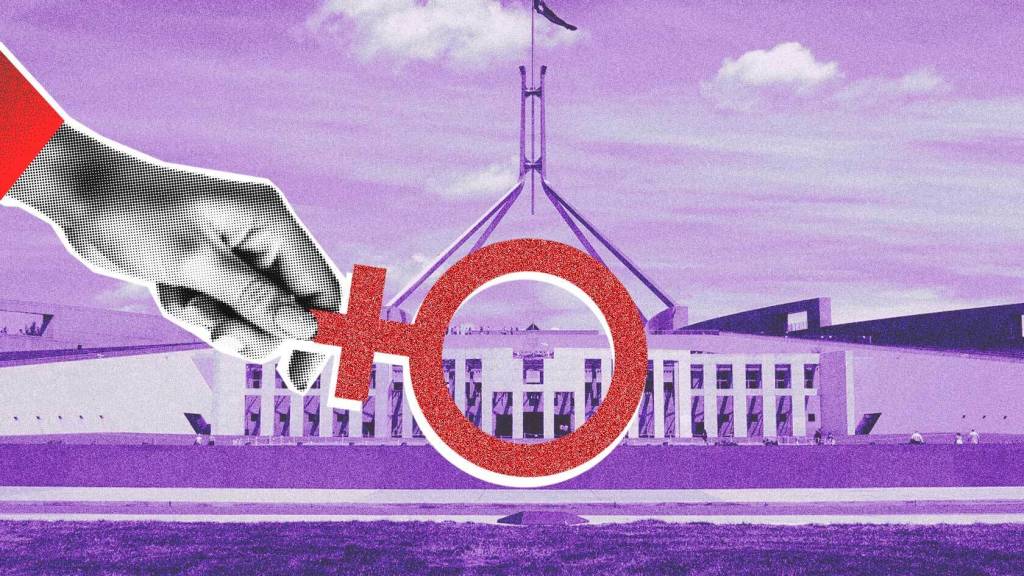
Shifts in Australian Politics: Gender Dynamics and Media Representation
Recent developments in Australian politics reflect a significant transformation in its nature and representation. Observations in Canberra suggest a growing disconnect with traditional political norms, often characterized by a sense of uncertainty reminiscent of Bob Dylan’s line, “You know something is happening, but you don’t know what it is.”
Key Changes in Leadership
In notable shifts, the Liberal Party elected Sussan Ley as its first female leader, while the Labor Party formed a gender-balanced cabinet from a predominantly female caucus. Meanwhile, the Greens made history by electing Larissa Waters, marking a significant step away from traditional governance styles.
The Implications of Gender Representation
While these advancements in gender representation are significant, understanding their impact on the political landscape is complex. Julia Gillard’s reflections on the misogyny she faced highlight that while it plays a role, it does not wholly define political dynamics.
Analyzing Political Dynamics
Many commentators, however, appear caught in a cycle of traditional political analysis, particularly regarding the tensions within the National Party. Analysts often trot out past leaders like John Howard and Barnaby Joyce to discuss their perspectives, indicating a resistance to adapting to the evolving narrative.
In contrast, comedic perspectives, such as a remark from A Current Affairs host Ally Langdon, suggest a fresh take on political alliances that resonate more with the current political climate than the nostalgia of former leaders.
Gendered Perspectives in Media
The lens through which politics is reported is also changing. A recent study by Melbourne researchers Diana Bossio and Andrea Carson indicates a significant increase in female leadership roles within newsrooms, reflecting a trend towards more gender equity in media.
This evolution in newsrooms is evident in the shifts seen within the political reporting landscape, where the majority of influential voices are now women, shaping the narrative in diverse ways.
Challenges Ahead
Despite these positive changes, challenges remain. Research shows that while there are more women in editorial roles, men still dominate high-profile reporting positions. This disparity raises questions about whether this shift correlates with increased representation of women’s perspectives in news coverage.
Insights from the past, such as Katharine Murphy’s reflections on Gillard’s time in office, illustrate the necessity of interpreting political events through varied lenses to grasp their full implications.
Future Outlook
As the dialogue surrounding politics and gender continues to evolve, the stakes are increasingly significant. Discussions about the future of Australian politics—whether it may lean more towards female perspectives—are abundant, yet the impact of these changes remains to be fully realized.
In this context, recognizing the potential backlash against diversity initiatives, particularly in a polarized environment like that of the United States, is essential. Understanding these dynamics is crucial for navigating the changing political landscape.
