


Understanding Bunions: Why Women Are at Greater Risk
What Are Bunions?
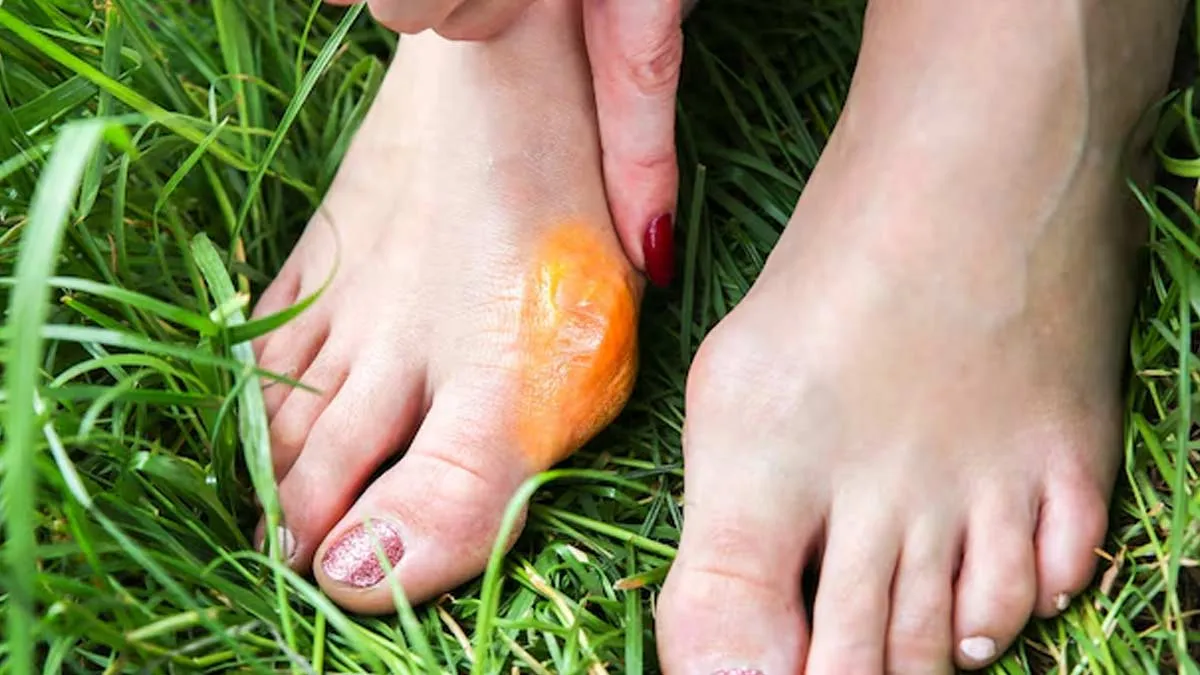
Bunions, medically known as hallux valgus, manifest as bony bumps that develop at the base of the big toe. According to Dr. Krishna Subramanyam, a Senior Consultant Orthopaedic Surgeon at Yashoda Hospitals in Hyderabad, bunions occur when prolonged pressure misaligns the big toe joint, pushing it toward the other toes. This condition affects approximately 23% of adults aged 18 to 65 years, with prevalence increasing to up to 36% for those older than 65 years.
The Gender Gap in Bunions
Research indicates that bunions are notably more common in women, with about 30% of the female population affected. Factors contributing to this disparity include:
- Weaker tendons and ligaments in women’s feet.
- A higher tendency to wear tight shoes or heels.
- Hormonal changes during pregnancy and menopause that increase joint instability.
- Genetic predispositions and specific foot mechanics, such as flat feet.
Impact of Footwear
Dr. Subramanyam emphasizes the significant role of footwear in bunion development. High heels, which apply excessive body weight onto the front of the foot, can lead to misalignment of the big toe joint. Additionally, pointy-toed shoes compress the toes, while unsupportive footwear like flip-flops may cause overpronation, further stressing the toe joint.
Though tight shoes can aggravate the issue, they are not the sole cause of bunions. As noted by InformedHealth.org, some individuals may wear restrictive shoes without developing bunions, whereas others may wear comfortable footwear and still experience this condition.
Treatment Options: Surgery Not Always Necessary
Not all bunions require surgical intervention. Dr. Subramanyam outlines several non-surgical methods to alleviate discomfort and manage bunions:
- Select shoes with wider toe boxes.
- Use bunion pads for cushion.
- Consider medical taping for support.
- Explore orthotic inserts or toe spacers to improve alignment.
- Apply ice packs to reduce swelling.
- Utilize NSAIDs for pain relief.
- Consider corticosteroid injections for severe cases.
- Engage in physical therapy for long-term management.
While these measures may not fully reverse a bunion, they can significantly enhance comfort and slow progression. Surgical options should be discussed only when non-surgical treatments fail to alleviate pain, especially if daily activities are impacted.
