


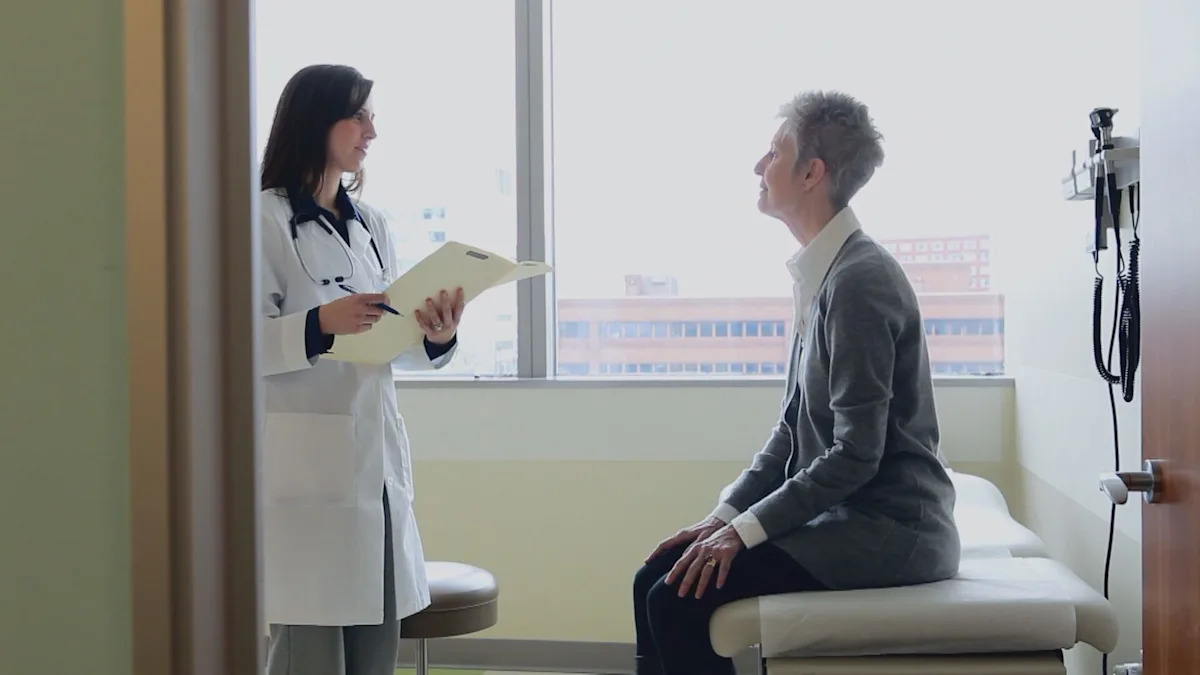
Understanding Menopause: Essential Insights
Menopause is a significant phase in a woman’s life, marking the end of her reproductive years. This natural biological process typically occurs between the ages of 45 and 55, although it can vary individually. Understanding menopause, its symptoms, and management options can empower women to navigate this transition with confidence.
What is Menopause?
Menopause is defined as the cessation of menstrual periods for 12 consecutive months, resulting from a decline in hormone production, particularly estrogen and progesterone. The transition can occur gradually or suddenly, and women may experience various physical and emotional symptoms.
Common Symptoms
As women approach menopause, they may encounter a range of symptoms, which can vary in intensity and duration. Some of the most common symptoms include:
- Hot flashes
- Night sweats
- Sleep disturbances
- Mood changes such as anxiety or depression
- Changes in libido
- Vaginal dryness
Managing Menopause
Management strategies for menopause symptoms are diverse and can include lifestyle changes, hormone replacement therapy (HRT), and alternative treatments. Women are encouraged to consult healthcare providers to develop personalized plans. Below are some common approaches:
Lifestyle Adjustments
Making certain lifestyle changes can help alleviate symptoms:
- Diet: A balanced diet rich in fruits, vegetables, and whole grains can support overall health.
- Exercise: Regular physical activity can improve mood and physical well-being.
- Stress Management: Techniques such as yoga and meditation may reduce stress and promote relaxation.
Hormonal Treatments
Hormone replacement therapy can be effective for many women dealing with severe symptoms. HRT involves supplementing the body with estrogen and/or progesterone, which can offer relief from symptoms like hot flashes and mood changes. However, it’s essential to discuss the potential risks and benefits with a healthcare provider.
Alternative Therapies
Some women may find relief through natural supplements and alternative therapies, such as:
- Herbal remedies: Some herbs like black cohosh and evening primrose oil are popular among women, though scientific evidence varies.
- Acupuncture: This traditional practice has been noted by some to alleviate hot flashes and improve overall well-being.
Conclusion
Menopause is a natural phase in life that can come with challenges but also opportunities for growth and self-care. Awareness and education about menopause empower women to seek assistance and choose the best management strategies for their specific needs. Open discussions with healthcare providers are crucial in navigating this transition successfully.
For further information on menopause and women’s health, consider visiting health-focused resources and communities that offer guidance and support.
