


AP Photo/File
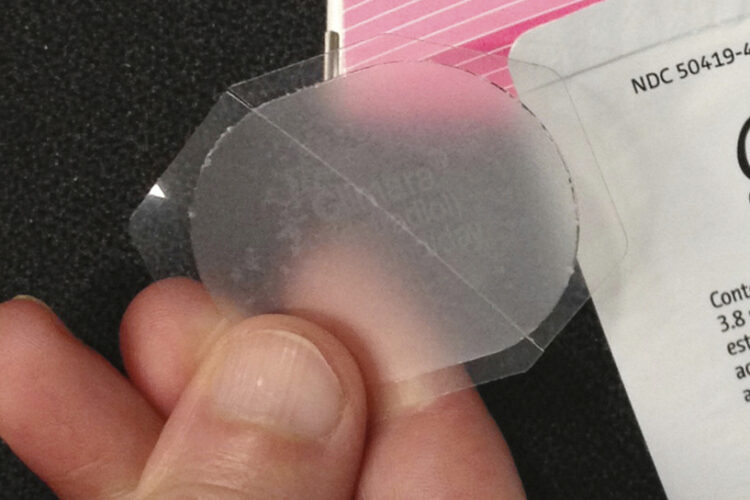
A low-dose estrogen skin patch is seen on Tuesday, Oct. 2, 2012.
Menopause can trigger various symptoms, including hot flashes, night sweats, and sleep disturbances. Hormone therapy (HT) has been proposed as a solution for these issues, yet many women remain uncertain about its safety and efficacy. This hesitancy is partially due to a history of conflicting research surrounding hormone treatments.
Understanding Hormone Therapy
Hormone therapy aims to alleviate symptoms that arise when a woman’s menstrual cycle concludes, leading to a significant decline in estrogen and progesterone levels. Current formulations include:
- Low-dose vaginal estrogen therapy: Delivered directly into the vaginal area, this method minimizes systemic circulation, resulting in fewer associated risks. It’s particularly effective for women experiencing vaginal dryness.
- Systemic hormone therapy: This includes pills, patches, gels, or vaginal rings that supply hormones to address more widespread menopausal symptoms like hot flashes.
Real Experiences with Hormone Therapy
Jennifer Zwink, a nurse from Castle Rock, Colorado, shared her positive experience: after using an estrogen patch combined with an IUD for progesterone, she noted significant relief from her symptoms, including improved sleep and reduced joint pain. “It’s not like a 100% magic wand,” she remarked, “but it definitely has made a significant difference.”
Potential Benefits
Research by the Menopause Society indicates that when hormone therapy is initiated within ten years of menopause, it can:
- Reduce the risk of cardiovascular disease.
- Lower the likelihood of developing Type 2 diabetes.
- Help maintain bone density for more extended periods.
According to Dr. MargEva Morris Cole of Duke University, this can lead to a delay in reductions in bone density, changing the scenario for women at age 60 rather than 50.
Weighing the Risks
Many women grapple with fears related to hormone therapy, as expressed by Grayson Leverenz from North Carolina, who finally chose to try it after significant hesitation. The combination of her prescribed medications alleviated her anxiety and improved her overall well-being.
According to the Menopause Society, estrogen therapies can be utilized for seven years and estrogen-progestogen therapies for three to five years without significantly increasing breast cancer risk. However, women’s health history and the duration of hormone use must be evaluated individually.
Ongoing Debate Over Warnings
There exists division among healthcare professionals regarding the necessity of current “black box” warnings on hormone treatments, which address potential risks like increased incidences of stroke and blood clots. A panel convened by the FDA leaned toward relaxing some labeling restrictions, eliciting calls from many experts for careful consideration before any modifications are implemented. Concerns about misinformation also flare, especially regarding exaggerated claims about hormone therapy’s effects.
Alternative Treatments
In response to various challenges women face during menopause, alternatives to hormone therapy are being explored. For example:
- The medication fezolinetant (marketed as Veozah) has emerged as a promising option for managing hot flashes and night sweats.
- Low doses of gabapentin, typically used as an anti-epileptic, may also alleviate hot flashes.
- Simple lifestyle modifications such as regular exercise and a balanced diet can complement treatment.
However, experts, including Dr. Santoro, caution against the rampant promotion of unverified supplements intended to offer miraculous solutions for menopause symptoms.
