


Hormone Therapy and Menopause: Insights and Considerations
As women transition through menopause, they often encounter an array of challenging symptoms including hot flashes, night sweats, and sleep disturbances. For many, hormone therapy (HT) has emerged as a potential solution offering significant relief. However, doubts and confusion about its safety persist, particularly after previous research raised concerns about associated risks.
The Evolution of Hormone Therapy
Historically, hormone therapy was a common approach to managing menopausal symptoms. However, a pivotal 2002 study halted the use of one therapy type when it revealed an increased risk of breast cancer and blood clots. While subsequent research indicated that modern hormone therapies may provide benefits outweighing risks for a significant number of women, hesitancy remains widespread.
Current Perspectives
A recent panel convened by the Food and Drug Administration (FDA) sought to clarify the status of hormone therapy. The panel emphasized the positive effects of HT and proposed revising existing health warnings for certain products, igniting debate among experts regarding its implications.
Dr. Grayson Leverenz, a North Carolina resident who initially hesitated to begin hormone therapy, noted, “There is still a lot of confusion and a lot of fear,” but now expresses satisfaction with her decision. As more women reconsider hormone therapy, understanding the nuanced benefits and risks is paramount.
How Does Hormone Therapy Work?
Hormone therapy aims to alleviate symptoms related to diminished levels of estrogen and progesterone during menopause.
- Local Treatments: Low-dose vaginal estrogen therapy is applied directly and introduces minimal hormone levels into the bloodstream, making it a suitable option for those mainly affected by vaginal dryness.
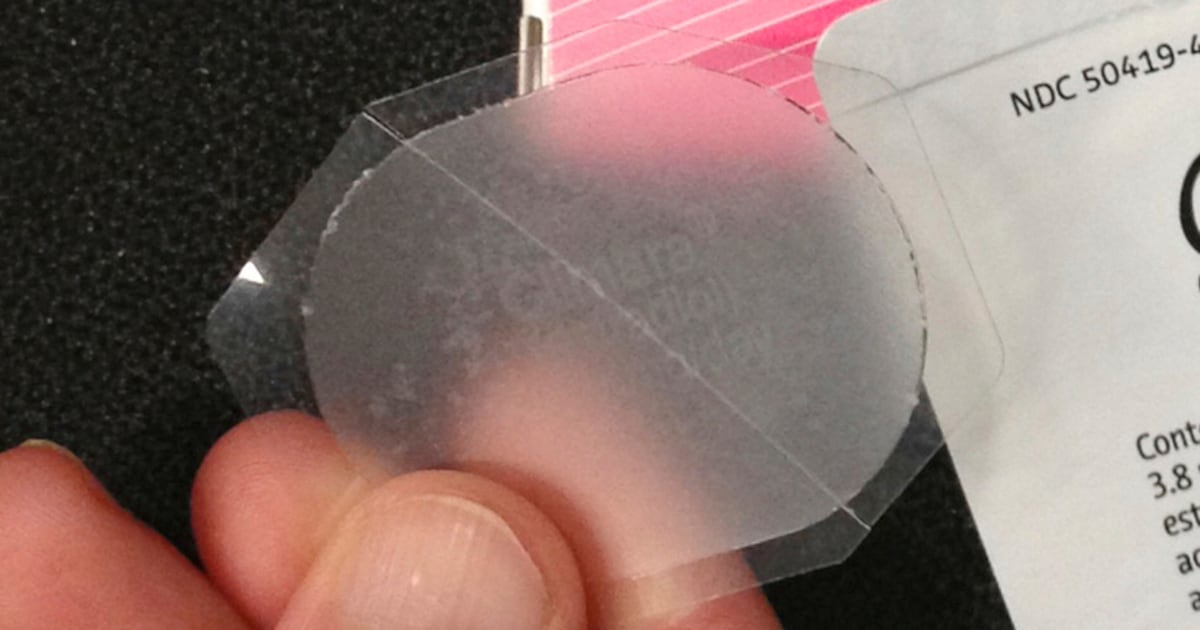
- Systemic Therapies: Pills, patches, sprays, gels, or vaginal rings deliver hormones systemically to combat symptoms like hot flashes effectively. These typically consist of estrogen and progestogens.
Jennifer Zwink from Colorado reported notable improvements, having utilized an estrogen patch and an IUD for progesterone, stating, “It’s not like a 100% magic wand, but it definitely has made a significant difference.”
Potential Benefits
The Menopause Society highlights several potential advantages of hormone therapy, particularly when initiated within ten years post-menopause:
- Lower cardiovascular disease risk
- Reduced Type 2 diabetes risk
- Prolonged bone density maintenance
Dr. MargEva Morris Cole points out that patients may experience a delay in bone density loss, pushing the average age to around 60 instead of 50.
Recognizing the Risks
Concerns about hormone therapy remain, as seen in Leverenz’s experience prior to starting treatment. After overcoming her apprehension, she experienced significant relief from anxiety, sleep issues, and joint pain. However, understanding potential risks is crucial:
- Increased breast cancer risk with prolonged usage
- Elevated risk of stroke soon after cessation of hormone treatment
- Potential for blood clots, particularly with oral intake, though risks are lower with topical applications like patches or gels
According to the Menopause Society, estrogen therapy can be utilized for up to seven years, while estrogen-progestogen therapy may be effective for three to five years before risks increase.
Ongoing Conversations About Warnings
There is ongoing debate among healthcare providers regarding the presence of “black box” warnings related to hormones, which address concerns about strokes, blood clots, and cognitive challenges. A letter from 76 experts advocates for a thorough scientific assessment before making any regulatory changes.
Experts caution against falling prey to misinformation, especially concerning unsubstantiated claims about hormone therapy guaranteeing prolonged health or cognitive benefits.
Exploring Non-Hormonal Alternatives
For those who may be hesitant about hormone therapy, there are alternative treatments available:
- Fezolinetant: A non-hormonal option specifically for alleviating hot flashes and night sweats.
- Gabapentin: Often prescribed in lower doses to manage hot flashes.
- Vaginal Moisturizers: Help counteract dryness.
Additionally, maintaining a healthy lifestyle through regular exercise and nutrition can further assist in managing menopausal symptoms. Caution is advised against the myriad supplements claiming to offer miraculous results during menopause, as their efficacy is often unsubstantiated.
Conclusion
Navigating menopause and hormone therapy requires careful consideration of individual circumstances, preferences, and healthcare guidance. While hormone therapy presents a promising option for many, it’s essential to weigh both benefits and risks and explore alternative treatments that align with personal health goals.
