


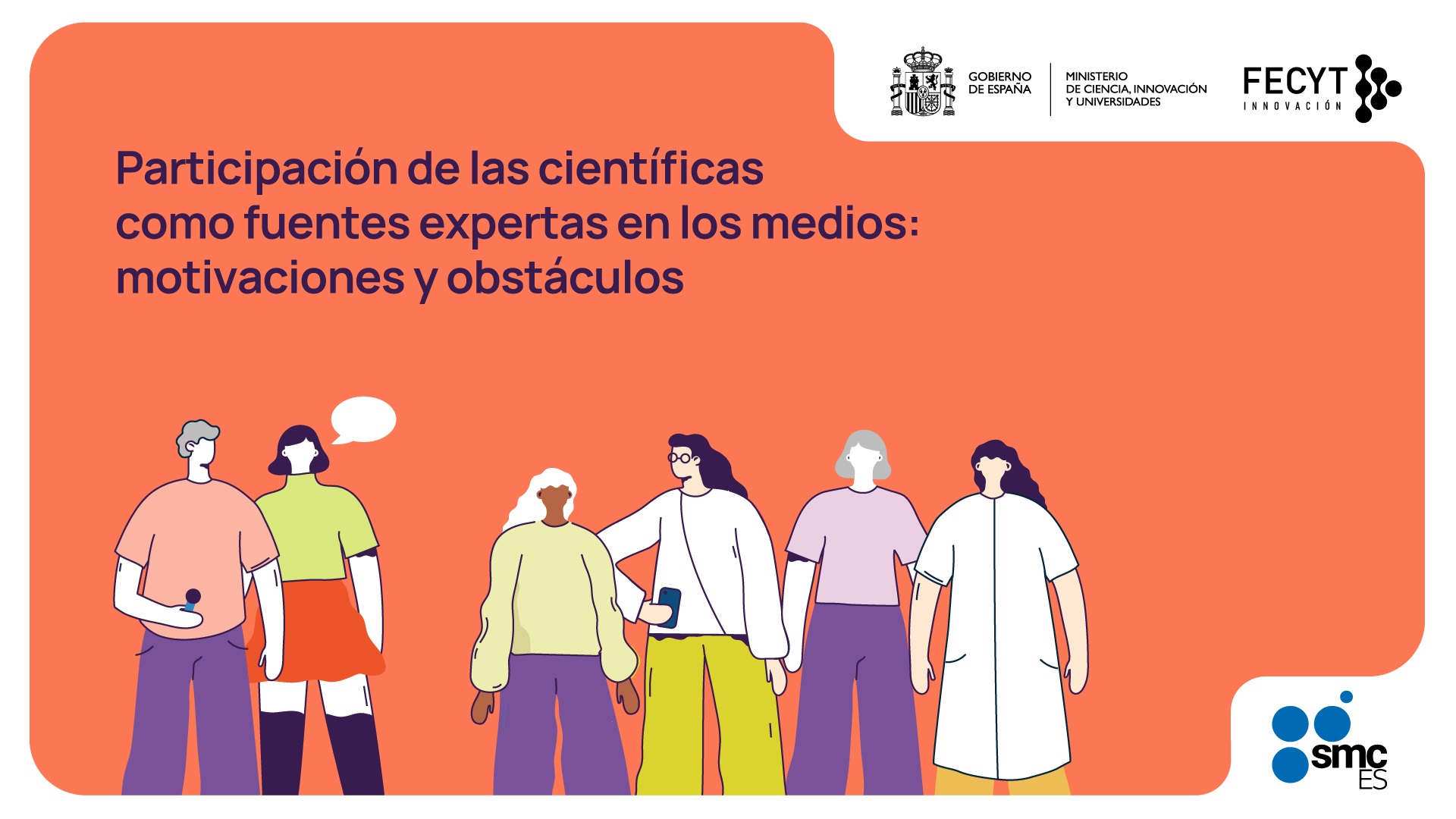
Women’s Participation in Science Communication: Findings from FECYT
The Spanish Foundation for Science and Technology (FECYT) has released a significant study titled “Participation of Women Scientists as Expert Sources in the Media: Motivations and Obstacles.” Conducted by the Science Media Centre Spain (SMC) alongside the Gureiker research group at the University of the Basque Country, this report delves into the participation of women scientists in media communication.
Study Overview
This pioneering research surveys the dynamics that affect scientists’ willingness to serve as media sources. By analyzing responses from a confidential online survey conducted over three months, the study investigates various factors, including gender, professional affiliation, area of study, and duration of research experience, that influence media engagement. Key findings highlight the motivations that drive participation as well as the very real challenges faced by these experts.
Gender Representation Among Scientists
In Spain, women constitute approximately 42% of researchers, yet they are notably underrepresented in both traditional and digital media platforms. This lack of media visibility poses significant implications for the societal perception of female scientists. The report emphasizes the need to address this visibility gap to foster a more accurate public understanding of women in scientific fields.
Survey Insights
The research survey distributed 649 invitations and achieved a response rate of 37.48%, yielding 241 completed surveys. Among respondents, the gender breakdown revealed that of those contacted by SMC, about 43.91% were women, while 56.09% were men. However, only 37.66% of women accepted invitations to participate, in contrast to 62.34% of men, indicating a troubling trend in media engagement.
Recurring Media Presence and Its Implications
Interestingly, male scientists enjoyed greater media exposure. The report indicated that 51.65% of men were approached for comments on scientific topics due to their prior media involvement, compared to only 43.16% of women. This media favoritism creates a feedback loop, enhancing future participation opportunities for men while limiting visibility for women.
Motivational Factors for Media Participation
When questioned about their motivations for engaging in media communication, a significant 82.02% of the participating scientists acknowledged a sense of professional responsibility. Female respondents displayed a stronger inclination towards this viewpoint, with 91.67% affirming their commitment to public engagement compared to 75.47% of their male counterparts.
- 61.8% of respondents aimed to improve public coverage on specific subjects.
- Among them, 75% of female scientists identified this as a primary reason, versus 52.83% of men.
- Conversely, more male scientists cited personal career benefits as a motivation, contrasting with the lower percentage (5.56%) of women who did the same.
Challenges Faced by Scientists
The main barrier constraining scientists from media engagement is a lack of time due to professional commitments, noted by 63.16% of respondents. Additionally, female scientists reported unique challenges linked to family responsibilities, impacting their availability more significantly (22.95% of women compared to 10% of men).
Conclusion
The report was unveiled at an event in Madrid, attended by key figures in science communication and policy. The study’s findings underscore the critical need to enhance women’s visibility in science communication, addressing both motivational and structural barriers. For detailed insights, the full report is openly accessible.
To explore the complete findings of the study, visit this link.
