


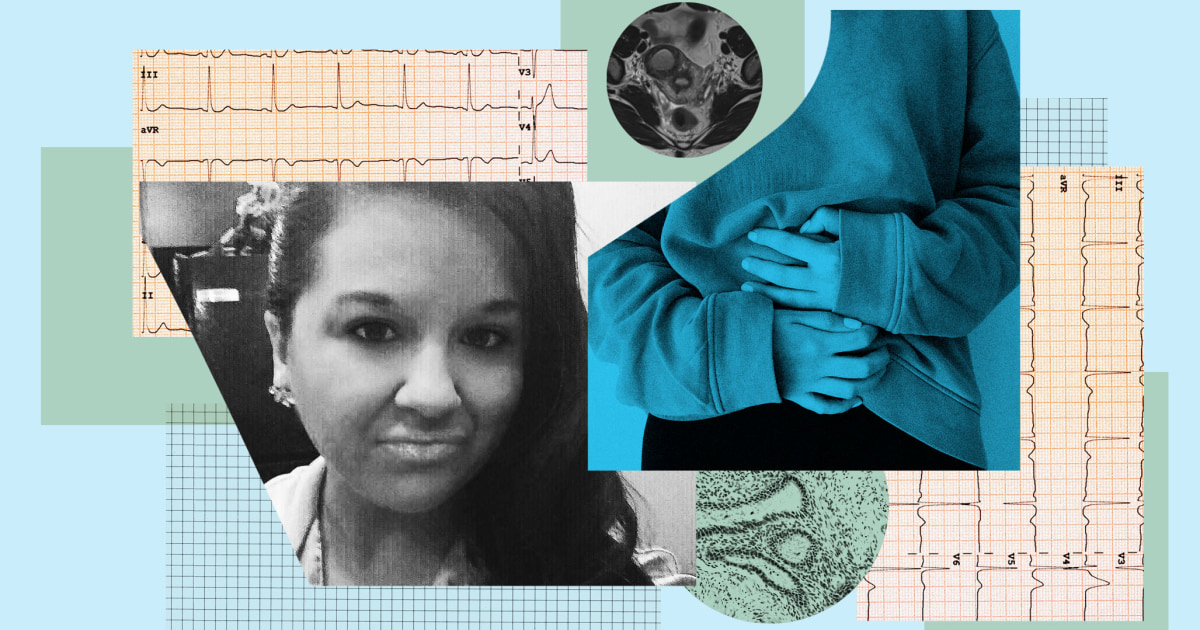
Experiencing extreme pain during menstruation can be a debilitating reality for many women. One sufferer recalls the overwhelming discomfort, often finding herself curled up in bed, tears streaming down her face. The physical agony made even simple tasks, like walking to the bathroom, overwhelming. In these moments of torment, she often sought reassurance from her mother, who would remind her, “No one should have to go through life feeling like this.”
For fifteen years, this monthly ordeal persisted, with the first three days of each period marked by severe pain. This constant cycle confined her to her home, disrupting both her social life and active lifestyle. Her only companions during this time became her plush blanket, a reliable heating pad, and her favorite television series.
Despite seeking medical help, multiple healthcare providers insisted that this was typical for women of childbearing age. Their repeated suggestion to “just take pain medication” did little to alleviate her suffering and left her feeling dismissed. Various remedies, from hot baths to dietary changes, were tried without success. Hormonal birth control options were also explored, yet the relentless cramps persisted.
It wasn’t until her mother suggested the possibility of endometriosis—after seeing an advertisement about the condition—that hope began to surface. Together, they researched the symptoms and recognized that “extremely painful periods” aligned with her experiences.
Understanding Endometriosis
Following further research and appointments, she finally consulted Dr. Megan Kennedy Burns, an expert in obstetrics and gynecology. Dr. Burns quickly validated her struggles, stating, “It sounds like you have endometriosis.”
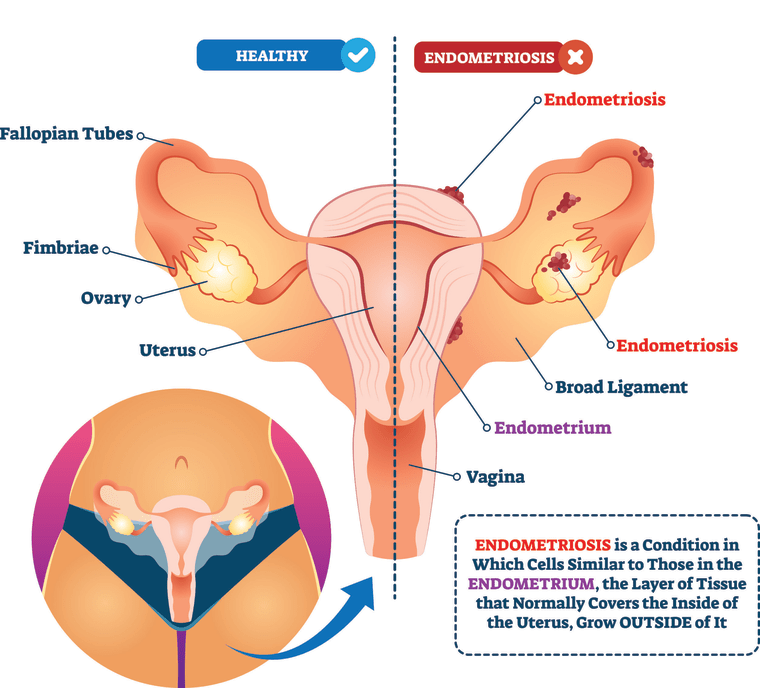
Endometriosis is a chronic condition where tissue similar to the uterine lining grows outside of the uterus, commonly on the peritoneum, but it can also impact other reproductive organs. The condition can affect various bodily systems, as noted by Dr. Burns, potentially involving the bladder, bowel, and even more rarely, the lungs or brain.
Symptoms to Note
Symptoms of endometriosis can vary greatly among individuals. Common symptoms include:
- Severe pelvic cramping
- Extreme fatigue
- Abdominal bloating before and during menstruation
- Lower back pain
- Pain during intercourse
- Abnormal uterine bleeding
- Digestive issues, such as painful bowel movements or alternating constipation and diarrhea
Some individuals may remain asymptomatic but struggle with infertility, while others may experience complications that affect other organs.
The Diagnostic Challenges
It took nearly twenty years for her diagnosis, which is unfortunately not uncommon. Dr. Burns highlights that diagnostic delays can last anywhere from 10 years or more. Many women experience multiple visits to healthcare providers, often facing various hurdles, including societal normalization of symptoms and a lack of awareness about the condition.
Self-advocacy is crucial. Despite undergoing numerous ultrasounds that yielded no results, persistence ultimately led her to specialized care. Dr. Burns noted that while transvaginal ultrasound can reveal structural issues, accurate imaging often depends on the skill of the practitioner.
Surgical Options and Recovery
After discussing treatment pathways, she opted for laparoscopic excision surgery. Dr. Burns explained that the success of surgical interventions largely relies on the surgeon’s expertise. The goal is to remove the endometrial tissue, particularly if it affects other organs.
During her surgery, performed in February, she had fifteen lesions excised from various pelvic locations. Recovery was challenging at first, but gradually she regained her strength and resumed her normal activities, experiencing a notable reduction in bloating.
Following her surgery, she reported varied experiences with her menstrual cycles. While the first two periods post-surgery brought some pain, the third was significantly more manageable—signifying a major turning point in her journey.
Building a Support Network
After her surgery, popular wellness advocate Lo Bosworth publicly shared her own endometriosis surgery experience on social media, revealing a shared struggle and fostering a sense of community. This connection prompted her to reach out to Bosworth for support and to discuss their journeys together.
Bosworth detailed her endometriosis diagnosis, which emerged alongside her intentions to start a family. The two women, now connected by their experiences, shared recovery insights and appreciated the support from online communities.
The encouragement garnered from these discussions about endometriosis only strengthens the need for more openness regarding the condition, to improve awareness and understanding.
Endometriosis and Fertility
For many women, debilitating cramps signal a deeper issue, while others may not encounter significant pain until they seek to conceive. Dr. Ken Sinervo notes that endometriosis can be a leading cause of subfertility, and its impact on reproductive health can be complex.
Endometriosis remains a challenging condition with no outright cure. Grateful for the support from her family, friends, and medical professionals, she acknowledges that while her journey continues, she does not have to face it alone.
