


Immigration, Women’s Rights, and Historical Legacies
Recent Legal Developments in Birthright Citizenship
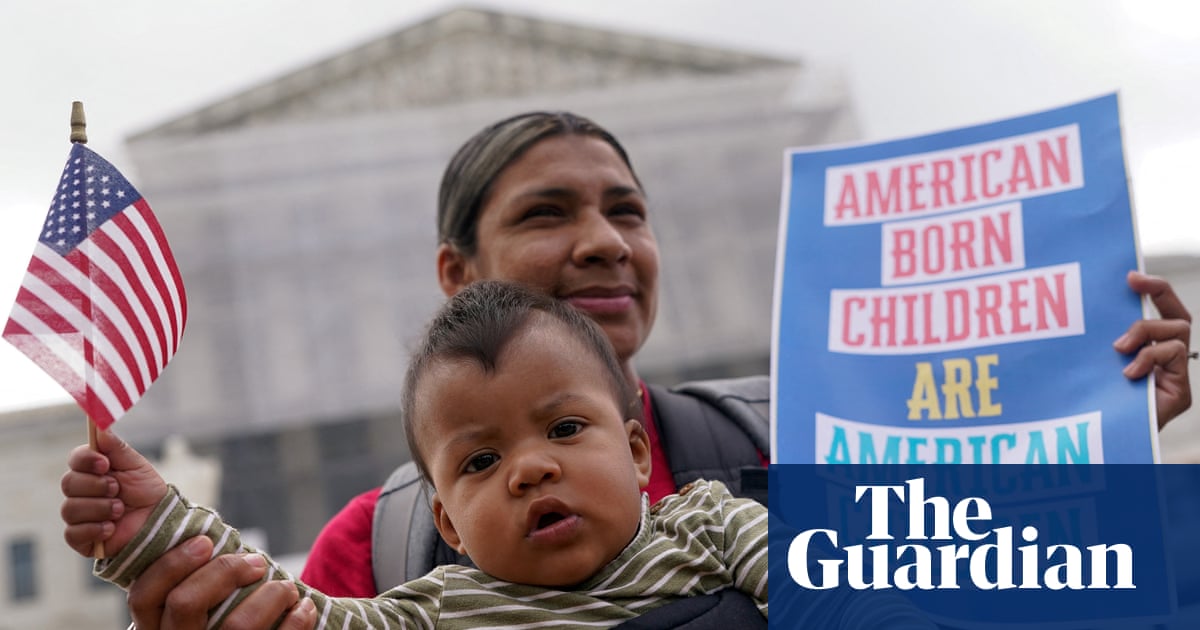
In January 2017, shortly after his inauguration, former President Donald Trump initiated a legal challenge concerning birthright citizenship through an executive order. This order aimed to restrict automatic citizenship for children born in the U.S. to non-citizen parents, sparking a lawsuit by five pregnant immigrant women, including one from Venezuela seeking asylum. The U.S. Supreme Court, in a recent decision, upheld the Trump administration’s authority by limiting lower courts’ abilities to block this executive order, a ruling echoing historical immigration controversies.
A Historical Context: The Chinese Immigration Laws
To understand the implications of current immigration policies, it is vital to examine the significant parallels with past legislation. In 1874, a cohort of Chinese women challenged a California law discriminating against them by labeling them as “lewd and debauched.” This legality permitted their detention and effectively limited their entry into the U.S. Notably, the Supreme Court ruled in favor of these women, marking an early legal victory for Chinese immigrants. Nonetheless, this ruling simultaneously established federal authority over immigration, which facilitated the implementation of the Page Act of 1875, notorious for restricting immigration based on gender and morality.
Impact on Demographics and Community Structure
The historical Page Act aimed to curb the perceived threat of prostitution by imposing stringent entry requirements on women, particularly those of Chinese descent. The act disproportionately targeted these women, who were subjected to invasive protocols to prove their “respectable” character before being allowed entry into the U.S. This legislation led to dramatic demographic shifts, increasing the ratio of Chinese men to women from 13 to 1 in 1870 to 21 to 1 by 1880. Such disparities resulted in the formation of “bachelor societies,” which was detrimental to family structures and community cohesion within Chinese American populations.
The Legacy of Gendered Policies
Current immigration debates, such as those concerning birthright citizenship, reflect similar themes of controlling population growth and immigration patterns. Experts argue that attempts to repeal birthright citizenship have roots in historical efforts to regulate who can contribute to American society. According to Catherine Lee, an associate professor at Rutgers University, these discussions often revolve around women’s rights and reproductive choices, as policies dictate the citizenship status of children based on their mothers’ circumstances.
Modern Political Rhetoric and Its Implications
Recent legislative efforts continue to echo the discriminatory themes of the past. The rhetoric surrounding “birth tourism,” particularly targeting women from countries like China, has recycled age-old biases. For instance, Senator Marsha Blackburn’s proposed bill that seeks to prohibit foreign nationals from “purchasing” American citizenship reflects an ongoing trend to legislatively curtail the rights of specific immigrant populations within racialized frameworks.
Conclusion
As contemporary legal battles unfold, the historical context of the Page Act and other restrictive immigration laws provide crucial insights into current policies affecting women and immigrant families. The ongoing challenges in preserving birthright citizenship only underscore the cyclical nature of immigration debates, shaped by longstanding ideologies of race, gender, and national belonging. The legacy of these policies influences not just demographics but the very fabric of family and community power in the United States.
