


Mandatory Genetic Testing in Women’s Sports at the 2028 Olympics
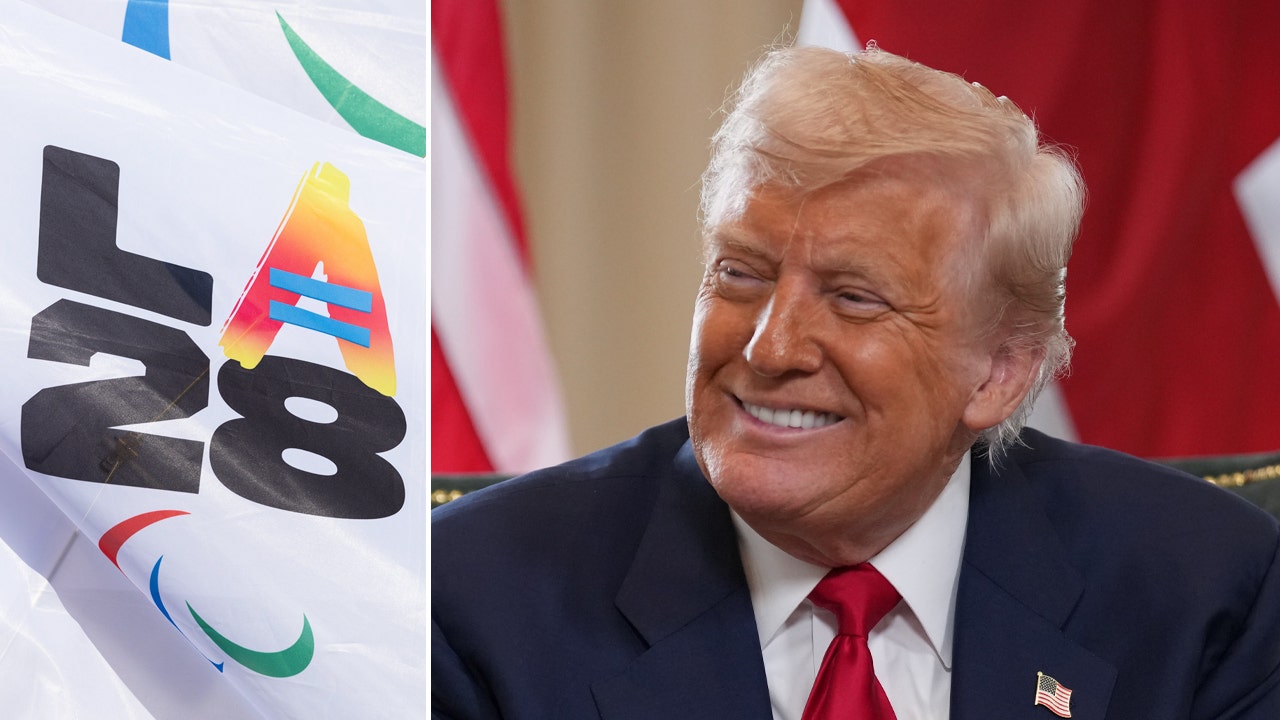
In a recent announcement, President Donald Trump highlighted the introduction of rigorous testing protocols for women competing in sports at the upcoming 2028 Los Angeles Olympics. This statement was made during an executive order signing event aimed at establishing a task force for the LA28 Games.
The Executive Order
Trump emphasized the need for “a very strong form of testing” for athletes. “If the test doesn’t come out appropriately,” he stated, “then they won’t be in the Olympics.” This executive order is part of a broader initiative to ensure fairness in women’s sports, aligning with the administration’s objectives to address gender and competitive integrity in athletics.
Changes in the U.S. Olympic Policy
The U.S. Olympic and Paralympic Committee (USOPC) has recently revised its athlete safety policy to reflect Trump’s executive order. According to this policy, collaboration with stakeholders will ensure a fair and safe competitive environment for women, consistent with Executive Order 14201. Trump noted that he believes these changes would have occurred even without his return to the presidency, asserting that the USOPC could have adapted its policies independently.
Support for Mandatory Testing
The announcement has galvanized several women’s sports rights advocates, calling for the implementation of mandatory genetic testing within Olympic and NCAA competitions. The advocacy group, Independent Council on Women’s Sports (ICONS), publicly urged the USOPC to adopt sex screening protocols, stating that this is essential for fair and safe athletic competition.
Stephanie Turner, a women’s fencer who gained media attention for protesting against a trans athlete, voiced her support for mandatory testing. “You can’t rely on documentation anymore,” Turner argued, asserting the necessity of karyotyping to examine chromosomal data as a legitimate testing method.
Continuing Debate
Though the policy shifts aim to provide a structured approach to women’s sports participation, the debate surrounding these testing measures continues. Activists and former athletes like Dee Worley have expressed that without mandatory screenings, the integrity of women’s competitions remains at risk.
Worley stated, “I don’t believe any momentum on the issue will be achieved until mandatory sex screenings are implemented,” reaffirming the call for decisive action in protecting female athletes.
Looking Ahead
As the 2028 Olympics approach, the implications of Trump’s policies on women’s sports are expected to generate ongoing discussions among athletes, organizations, and policymakers. The administration’s stance aims not only to ensure fair competition but also to establish a precedent for sporting events around the world.
For further updates on this developing story, follow our coverage of sports policy and advocacy efforts.
