


Funding Restored for Women’s Health Initiative: A Vital Step Forward
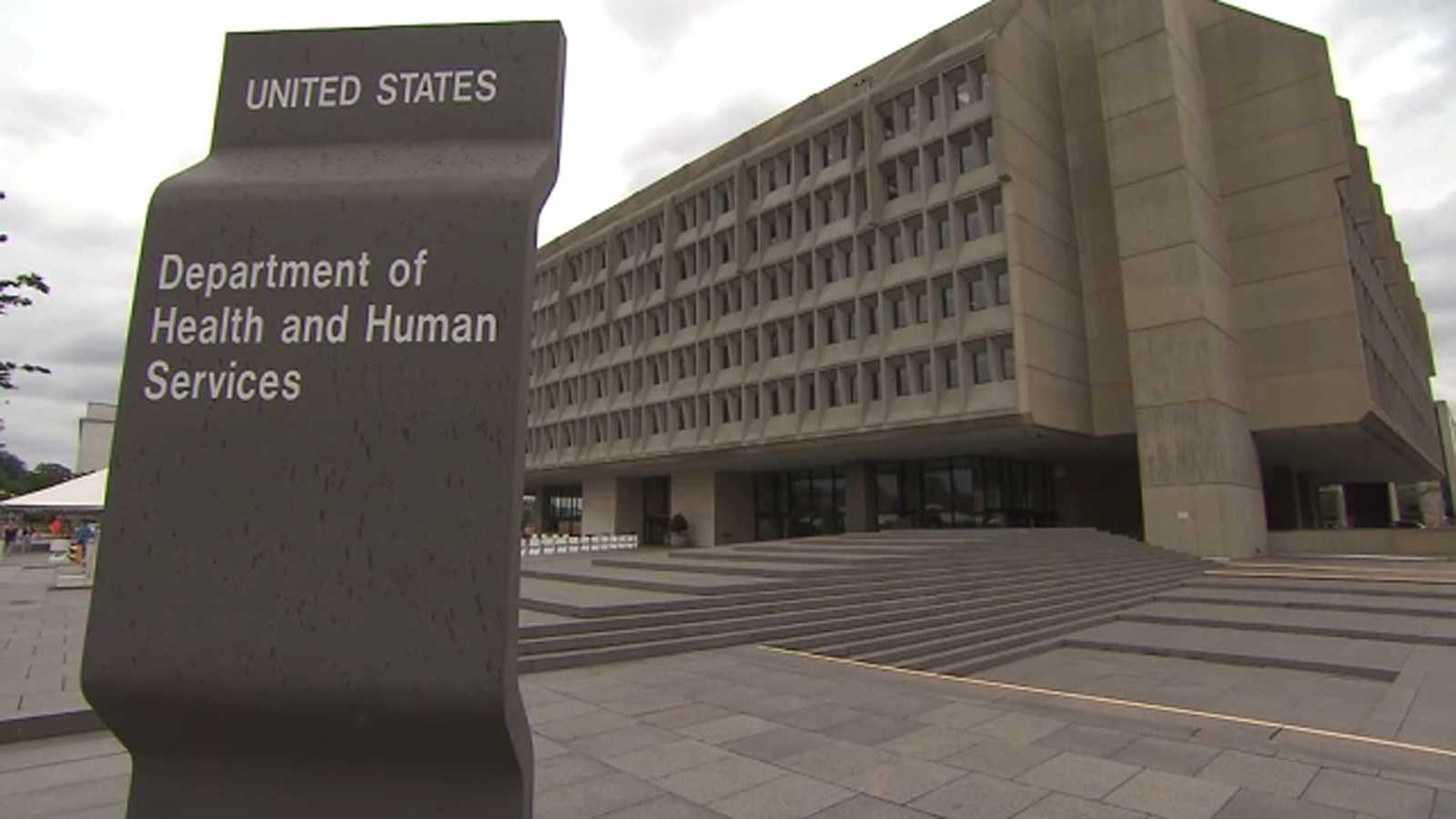
The Trump administration has indicated its intention to reinstate funding for the Women’s Health Initiative (WHI), a long-term study that addresses critical areas of women’s health. This announcement follows recent concerns from researchers after the Department of Health and Human Services (HHS) revealed that funding would be cut, eliciting significant reactions from the medical community.
Importance of the Women’s Health Initiative
The WHI has been pivotal over its 30-year span, engaging over 160,000 women and leading to essential findings in diverse areas such as:
- Cancer research
- Hormone therapy
- Chronic disease prevention
- Understanding aging processes
- Insights into conditions like osteoporosis
According to a statement by HHS, the National Institutes of Health (NIH) has committed to restoring the funding for this essential research. “These studies represent critical contributions to our better understanding of women’s health,” the statement read.
Concerns from Researchers
Despite the announcement, Garnet Anderson, Ph.D., the principal investigator at the WHI Clinical Coordinating Center, has expressed uncertainty regarding the confirmation of funding restoration. She has raised concerns about the impact on other deserving studies and questioned the clarity of the decision-making process amidst this funding restoration.
“The decision-making process now is opaque,” Anderson stated, emphasizing the need for transparency in prioritizing research funding.
Significant Research Contributions
The WHI has significantly influenced public health guidelines and contributed to the training of over 5,000 researchers in women’s health. Dr. JoAnn E. Manson, another principal investigator, mentioned that findings from the WHI have revolutionized approaches to:
- Preventing chronic diseases
- Understanding healthy aging
- Preserving cognitive function
“This is the largest and most groundbreaking study of women’s health,” Manson noted, highlighting its far-reaching implications for both clinical practices and public health policies.
Challenges Ahead
While the promise of restored funding is encouraging, researchers face immediate challenges. With hundreds of thousands of blood samples collected, concerns linger about their future usability and the feasibility of continued research.
“It isn’t clear if those bio-specimens can be fully utilized and used to advance the science that is also threatened,” Manson said.
The Shift in Medical Research Paradigms
Experts like Dr. Marian Neuhouser at the Fred Hutchinson Cancer Center emphasize the unique value of the WHI’s extensive database. As one of the few studies focused on older women, its findings are invaluable for understanding health risks and solutions pertinent to aging populations.
Furthermore, the importance of including women in medical research has evolved dramatically over recent decades. Prior to the passage of the National Institutes of Health Revitalization Act in 1993, there was a significant lack of female representation in clinical studies.
Conclusion
The restoration of funding for the Women’s Health Initiative marks a vital step toward ensuring continued research that directly impacts women’s health. As researchers work to clarify the terms and implications of this funding, the broader medical community remains hopeful for the contributions that this landmark study will continue to provide.
