


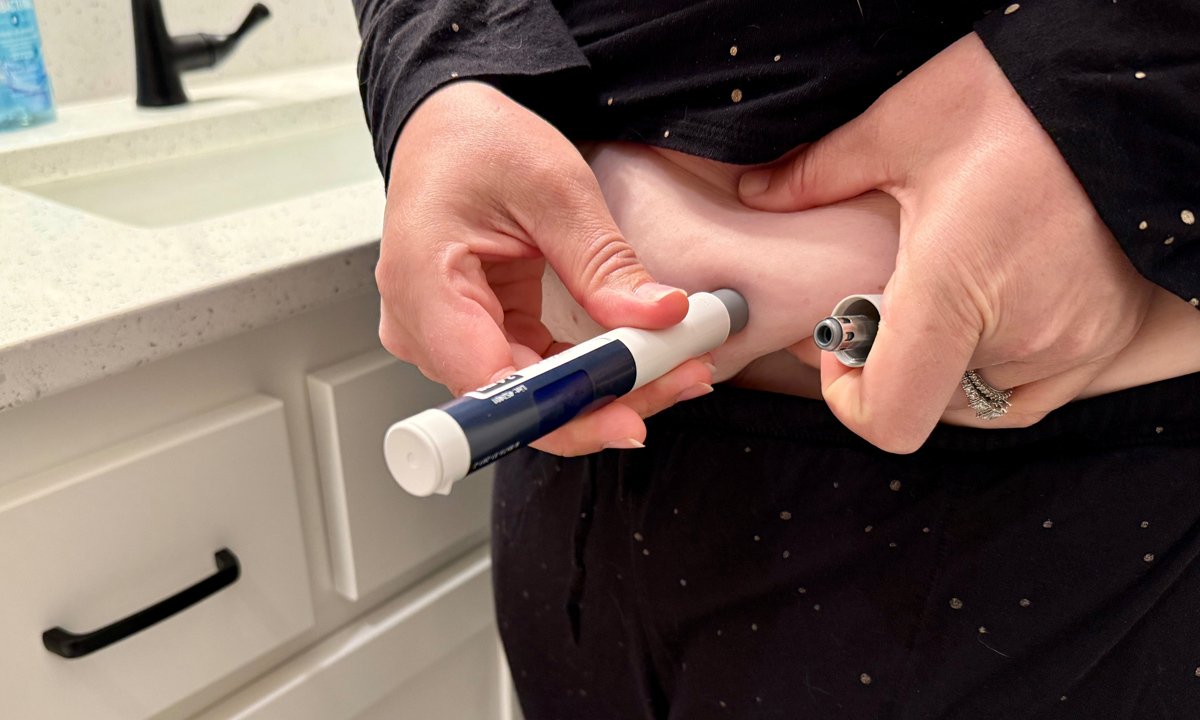
Growing Prescription Rates of GLP-1 Receptor Agonists Among Women of Reproductive Age
Introduction
Glucagon-like peptide-1 (GLP-1) receptor agonists have been increasingly recognized as effective treatments for managing type 2 diabetes and aiding weight loss. However, their use in women of reproductive age poses critical safety considerations, particularly concerning contraception during treatment.
Current Trends
In recent years, there has been a significant surge in the prescription of GLP-1 receptor agonists among women aged 18 to 49, primarily for weight management rather than diabetes control. Alarmingly, the rate of effective contraceptive use among these women remains low, raising concerns about unintended pregnancies shortly after initiating treatment.
Clinical Background
GLP-1 receptor agonists mimic the effects of the natural hormone GLP-1, promoting insulin release and reducing blood glucose levels. Their effectiveness in appetite suppression has led to increased off-label use for obesity management. This trend has resulted in supply shortages noted by the Therapeutic Goods Administration in Australia.
Approximately 1% of women of reproductive age in Australia have type 2 diabetes, with a substantial percentage also facing obesity. As many as 40% of pregnancies among these women are unplanned, highlighting the need for effective contraception alongside any obesity or diabetes management treatment.
Safety Concerns
While GLP-1 receptor agonists can be beneficial, animal studies indicate potential risks during pregnancy. These include reduced fetal growth and skeletal issues. Current human studies predominantly focus on major congenital malformations, finding no significant correlations, yet they do not address other adverse pregnancy outcomes.
The UK’s Medicines and Healthcare products Regulatory Agency advises against the use of GLP-1 receptor agonists during pregnancy, urging women to employ effective contraception while on these medications. Despite these recommendations, anecdotal reports of unplanned pregnancies continue to rise, amplifying the need for robust data in this area.
Study Objective and Methods
This study aimed to examine the prescribing practices of GLP-1 receptor agonists among reproductive-aged women in Australia and assess the extent of concurrent contraceptive use and pregnancy rates following treatment initiation.
Data Collection
We utilized the MedicineInsight dataset, a comprehensive national database of general practice records in Australia, from January 2011 to July 2022. This dataset allowed us to track patient prescriptions, demographics, and pregnancy outcomes effectively.
Findings
From a sample of over 1.6 million women, 18,010 were prescribed GLP-1 receptor agonists during the study period. The incidence of prescribing rose sharply, especially post-2020, with most prescriptions for weight management in women without diagnosed type 2 diabetes. Of the women analyzed, only about 21% had overlapping contraceptive use at the time of their first prescription.
Pregnancy Rates
In a cohort of 10,781 women with six months of follow-up, 232 pregnancies (2.2%) occurred within half a year of initiating GLP-1 treatment. These figures highlight significant rates of unintended pregnancies, particularly concerning given the implications for maternal and fetal health.
Discussion
The findings from this study raise essential questions about the prescribing practices of GLP-1 receptor agonists, emphasizing the urgent need for effective contraception protocols among women of reproductive age. Notably, the data indicate that current levels of contraceptive coverage remain below optimal levels.
Furthermore, as the utilization of GLP-1 receptor agonists for weight management expands, clinicians must remain vigilant in discussing reproductive plans and the implications of unintended pregnancy while on these medications.
Conclusion
The rapid rise in GLP-1 receptor agonist prescribing for women of childbearing age, along with low concurrency of effective contraception, raises critical safety concerns regarding unintended pregnancies. Future guidelines and practices must emphasize consultations on reproductive health to support the safe use of these medications in this vulnerable demographic.
