


ECB Updates Policy on Transgender Participation in Women’s Cricket
London – The England and Wales Cricket Board (ECB) has announced an outright ban on transgender women from competing in women’s and girls’ cricket, effective immediately. This decision follows a ruling by the U.K. Supreme Court that has sparked significant debate.
Details of the Announcement
On Friday, the ECB clarified its position, stating that only individuals whose biological sex is female will be eligible to participate in women’s and girls’ matches. Previously, transgender women had been allowed to compete at lower levels of the sport; however, this policy has now changed.
The announcement coincides with similar restrictions implemented by the Football Association, which recently barred transgender athletes from women’s soccer teams in England and Scotland.
Background of the Supreme Court Ruling
The U.K.’s Supreme Court ruled that for the purposes of anti-discrimination law, a woman is defined as someone who is biologically female. This ruling has prompted the exclusion of transgender women from certain public spaces and competitive sports.
Following the court’s decision, the head of the Equality and Human Rights Commission reiterated the need for clarity regarding the participation of transgender individuals in various areas, including sports.
Reactions from Advocacy Groups
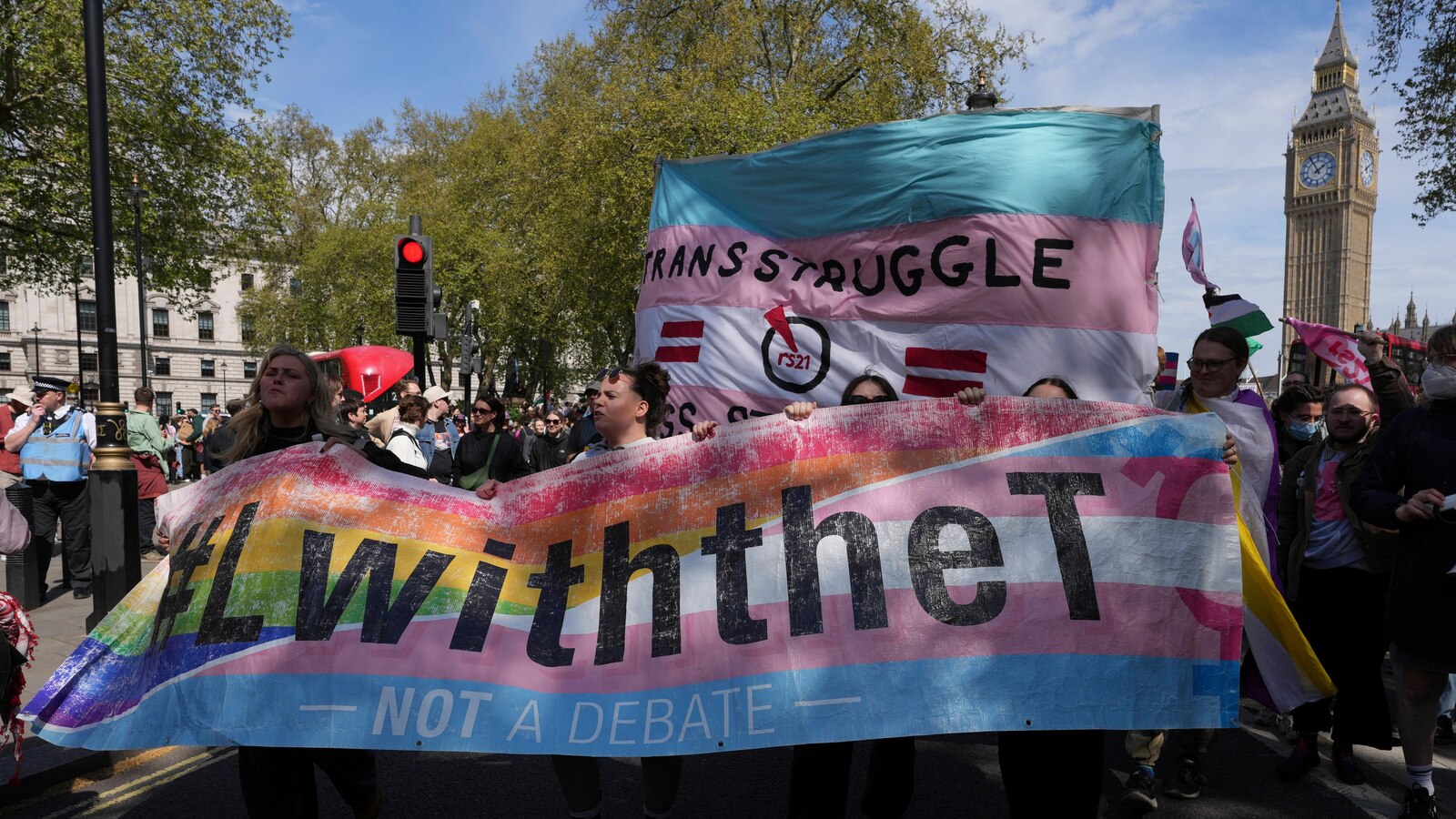
The ruling has drawn mixed responses from different groups. Supporters of women’s rights argue that the changes are necessary to ensure fair competition, while trans-rights advocates express concern that the decisions may have far-reaching negative effects on the daily lives of transgender individuals.
“The ECB’s two-tier policy was never coherent,” said Fiona McAnena, director of campaigns at the charity Sex Matters. “Restricting the top end of the women’s game to female-only showed that it understood men’s size and strength confer an unfair advantage in women’s sport.”
McAnena further criticized the decision, stating, “But protecting around 300 women in England and Wales while leaving the other 33,000 female cricketers to face male bowling and batting was indefensible.”
In contrast, a spokesperson for Stonewall, an LGBTQ+ charity, remarked, “The recent decisions of sporting bodies to ban trans women from women’s sport have been made too soon, before the implications of the Supreme Court’s ruling have been worked through by lawyers and politicians or before statutory guidance has been issued.”
Global Context and Ongoing Debates
This issue is not confined to the U.K.; it has generated significant discourse internationally, particularly in the United States. In recent actions, former President Donald Trump signed executive orders prohibiting transgender athletes from participating in sports that align with their gender identity, leading to ongoing legal challenges.
