


Key Updates on Transgender Participation in Sports
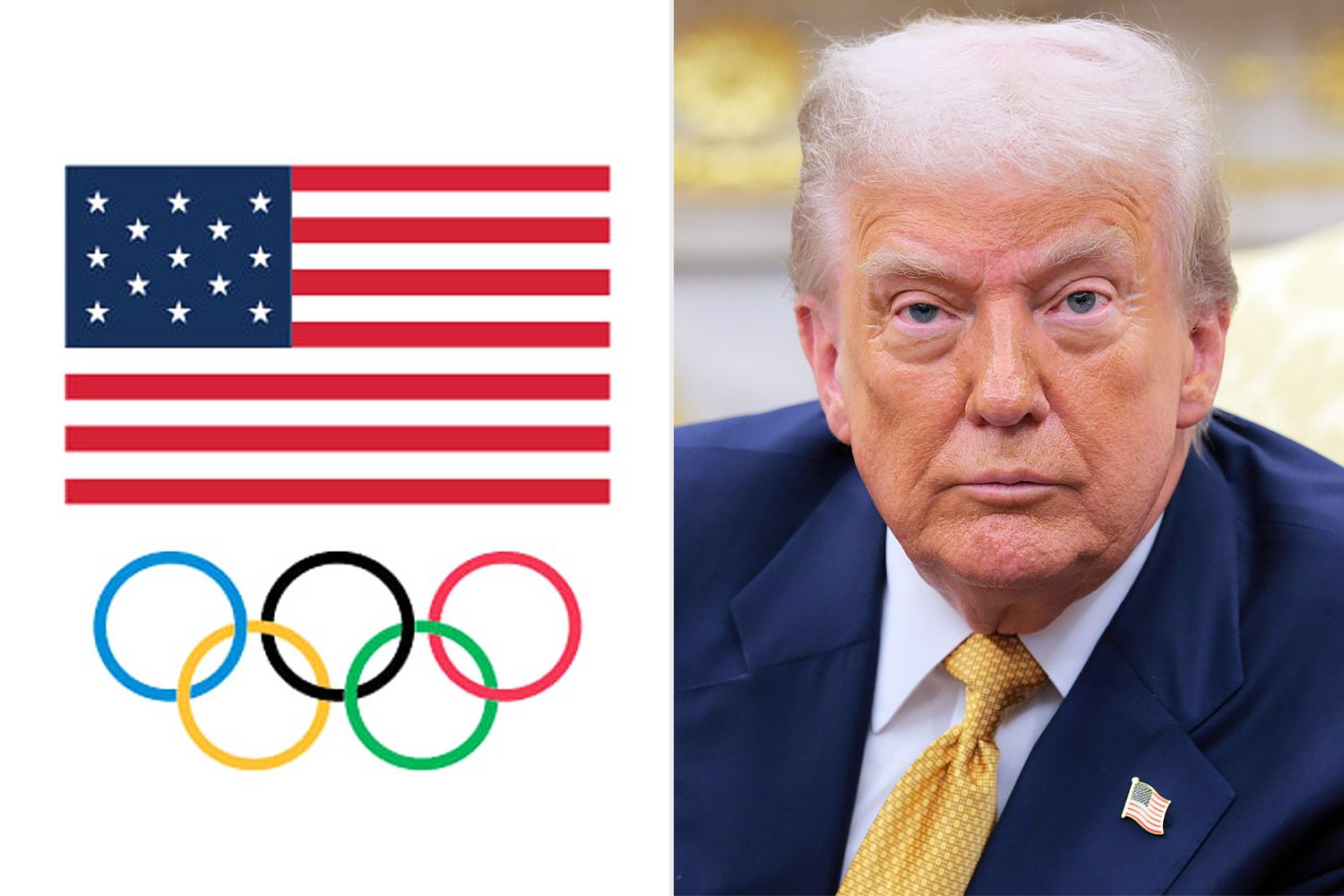
The U.S. Olympic and Paralympic Committee (USOPC) has recently revised its policies to align with U.S. federal regulations regarding the participation of transgender women in women’s sports. This policy change is a direct result of President Donald Trump’s Executive Order 14201, commonly referred to as the “Keeping Men Out of Women’s Sports” order.
Signed into effect on February 5, the executive order mandates that transgender women be prohibited from competing in women’s sports categories. The USOPC’s updated “Athlete Safety Policy,” released on July 21, officially implements this directive, although it refrains from using the term “transgender” explicitly within the document.
Anna Moneymaker/Getty
In its official remarks, the USOPC stated its commitment to “protect opportunities for athletes participating in sport,” affirming its collaborative approach with various oversight bodies, including the International Olympic Committee (IOC) and the International Paralympic Committee (IPC). This collaboration aims to create a fair and safe competitive environment for female athletes, in accordance with both the executive order and the Ted Stevens Olympic & Amateur Sports Act.
The Ted Stevens Olympic & Amateur Sports Act, which includes reforms initiated in 1998, underscores the organization’s responsibilities and operations, facilitating long-term governance of Olympic and Paralympic sports in the United States.
In the executive order, Trump highlights his rationale for the policy: “In recent years, many educational institutions and athletic associations have allowed men to compete in women’s sports. This is demeaning, unfair, and dangerous to women and girls, and denies women and girls the equal opportunity to participate and excel in competitive sports.”
Upon the executive order’s announcement, the USOPC confirmed its intent to comply with federal directives. “As a federally chartered organization, we have an obligation to comply with federal expectations,” the statement emphasized, while also expressing its commitment to engage with national governing bodies to ensure the policy’s effective implementation.
USOPC
This policy represents a significant shift in how gender participation is regulated in competitive sports at the federal level, raising important discussions around fairness, safety, and inclusivity in athletics. The future of such regulations will inevitably influence the landscape of women’s sports in the U.S.
