


The Rising Power of Women’s Sports: Implications for Marketers and Brands
Transforming the Landscape
A significant cultural transformation is taking place in the sports sector, as women’s sports are now enjoying unprecedented visibility and recognition. Recent statistics reveal that advertising expenditure on women’s sports surged by 139% year-on-year, hitting $244.4 million in 2024. This trend underscores a strategic pivot for brands, emphasizing the importance of women’s sports in their marketing initiatives.
From Underdog to Mainstream
Women’s sports have made remarkable strides in audience engagement, exemplified by the NCAA Women’s Basketball Tournament, which attracted nearly 10 million viewers for its championship game. In the UK, the Arsenal Women’s team outperformed an impressive ten Premier League men’s clubs in average attendance figures. Athletes such as Caitlin Clark, Angel Reese, and Beth Mead are not just headlines; they exemplify the breadth of brand engagement opportunities now available.
A Strategic Investment
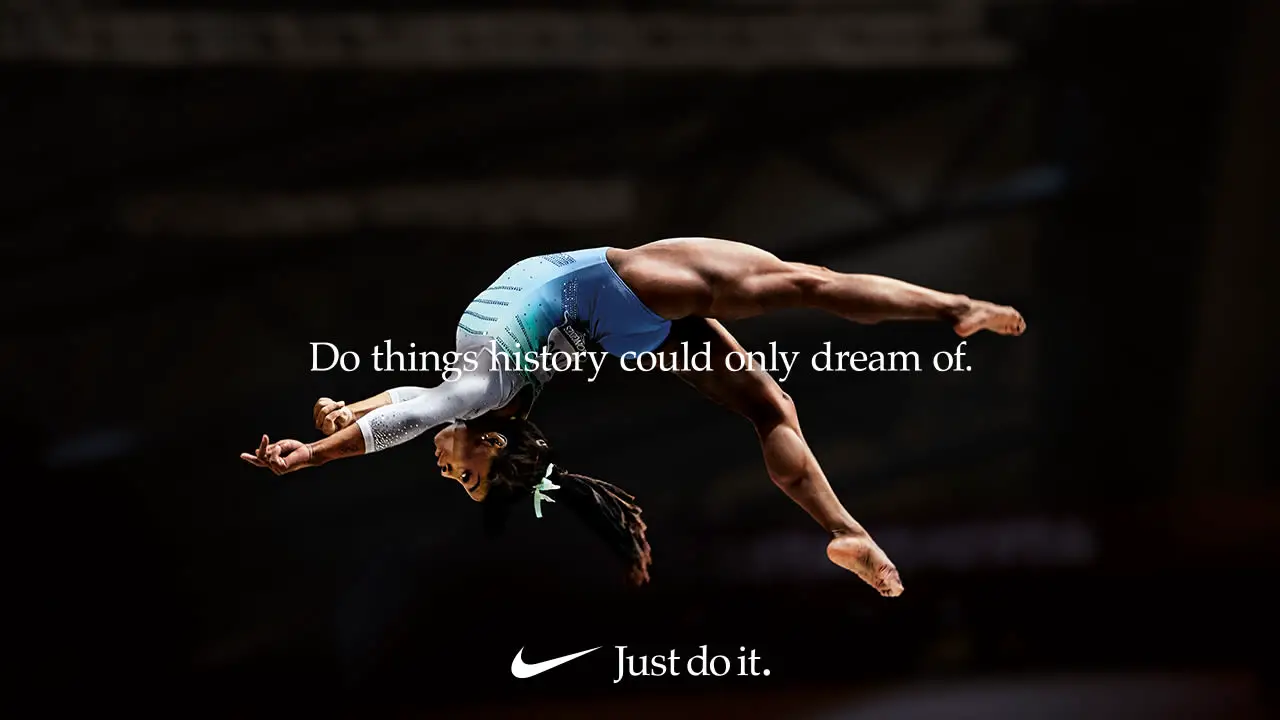
Gone are the days when marketing within women’s sports was viewed merely as a symbolic act. Today, it represents a strategic investment that companies can leverage for tangible returns. Initiatives such as Ally’s commitment to equitable sports coverage and Nike’s “Dream Crazier” campaign illustrate how brands have begun to authentically engage with women’s sports, driving engagement through consistent and impactful campaigns.
Connecting with Digital Audiences
Modern sports enthusiasts are primarily digital natives, favoring a multi-channel approach that spans platforms like TikTok, Instagram, and streaming services. This necessitates a dynamic media strategy, employing innovative formats such as shoppable advertisements and QR-driven promotional content. In 2024, engagements from QR-driven ads experienced a surge, with impressions tripling and engagement rates more than doubling, reflecting a shift toward audience-centric marketing.
The Emotional Connection and Data-Driven Decisions
What drives the audience’s interest in women’s sports? The narratives are compelling, full of stories that resonate deeply across various demographics. Brands have an opportunity to engage meaningfully by connecting emotionally with fans while ensuring these engagements yield measurable outcomes. Research indicates that interactive advertisements on connected TV (CTV) can lead to up to 71 more seconds of viewer engagement compared to traditional formats.
Long-Term Commitment for Sustainable Growth
While the current cultural momentum for women’s sports is undeniable, brands must adopt a long-term perspective rather than merely capitalizing on the moment. This involves meaningful investment, innovative creative strategies, and utilizing technology to engage fans effectively. Brands that treat women’s sports as a fundamental component of their marketing strategy, rather than an afterthought, are poised to achieve sustained growth and build lasting relationships with consumers.
Conclusion: Embracing the Future
The rise of women’s sports presents a significant opportunity for marketers to enhance engagement, build authentic connections, and drive brand loyalty. As the landscape continues to evolve, those who recognize the potential in women’s sports and invest in meaningful strategies will find themselves at the forefront of a dynamic and transformative market.
Megan Garnett Coyle holds the position of VP of Comms at Innovid & Mediaocean.
