


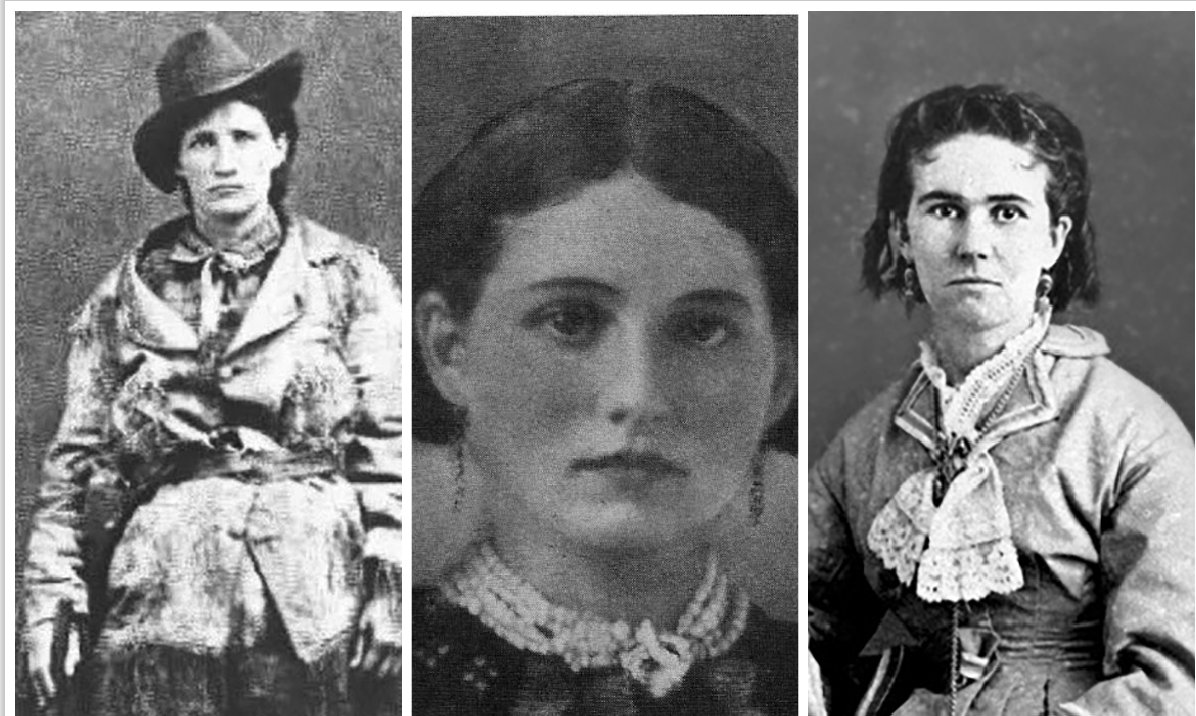
Texas women have long exemplified resilience, determination, and independence, qualities that embody the pioneering spirit of the American frontier. Although the era of the open frontier has passed, the legacy of strong Texas women continues to thrive, showcasing how they navigated the challenges of a demanding landscape marked by lawlessness and isolation. Among the most notable chapters in this history is the Chisholm Trail, a significant route where these women displayed extraordinary fortitude.
From 1867 to 1884, the Chisholm Trail served as a major thoroughfare for over five million longhorns journeying from Texas ranches to railheads in Kansas. Women faced numerous hazards on the 800-mile cattle drives, confronting perilous river crossings, stampedes, and severe storms while managing the social stigma attached to their roles. Many took on these challenges while caring for children, all while dressed in period attire such as petticoats.
This article explores the stories of five remarkable women whose courage and resilience during the Chisholm Trail era have shaped Texas’s rich history.
1. Amanda Burks: Trailblazer
Amanda Burks holds the distinction of being the first documented woman to travel north along the Chisholm Trail. In April 1871, she set out with her husband to drive 4,000 cattle from Cotulla in South Texas to Abilene, Kansas. At 30, she proved herself a capable cowgirl by helping with branding and camp chores, all while driving her own buggy. Her contributions were acknowledged by those around her; one cowboy remarked that she faced the hardships of the trail “without a murmur,” offering encouragement to her male companions.
Storms left a lasting impression on Amanda. Reflecting on her experiences years later, she described them vividly: “Some of the worst electrical and hailstorms I have ever witnessed were in [North Texas].” After selling their cattle, Amanda returned to Texas, where she managed ranch operations after her husband’s passing, continuing her work in cattle trade for another 50 years.
2. Hattie Cluck: The Fearless Mother
When Hattie Cluck declared her intention to join her husband on a cattle drive in 1871, she did so with determination. At 25, she was not only wrangling cattle but also caring for a toddler and a 5-year-old, all while pregnant. Hattie rode on horseback across hazardous river crossings, including a challenging journey across the flood-swollen Red River, where she handed her children to nearby cowboys as they navigated the treacherous waters.
Despite the dangers, Hattie and her family safely reached Kansas, where she gave birth in October. In her later years, Hattie became a figure of local lore, with tales recounting her as a skilled shooter defending against bandits and hostile encounters—her true story underscoring the resilience of mothers everywhere.
3. Margaret Borland: The Cattle Queen
Margaret Borland’s life was marked by tragedy and perseverance. Immigrating from Ireland at age five, she faced losses early on, including her father during the Texas Revolution. After marrying three times, each of her husbands engaged in ranching, leaving Margaret to manage a large herd of cattle on her own. By 1873, she made history as the sole woman to run a cattle drive, expertly handling logistics and managing a trail crew while bringing along her surviving children and granddaughter.
Her drive of 2,500 longhorns to Kansas was remarkable, but Margaret tragically passed away a month later from “trail fever.” Her life remains a profound example of endurance and ambition in a time when women were often relegated to supporting roles.
4. Mollie Bunton: The Adventurous Bride
Mollie Bunton’s beginnings were quite different from those of many women on the frontier. Raised in affluence and educated in elite institutions, she surprised those around her by marrying a cowboy in 1885 and settling on a West Texas ranch. When a crisis struck before a spring cattle drive, Mollie insisted on joining her husband, preparing not only for the grueling journey but also planning to wear an evening gown upon arrival in Kansas.
Her experiences on the trail were transformative—she recounted navigating dust storms and the challenges of cattle drives in her memoir, “A Bride on the Old Chisholm Trail.” The narratives she shared illustrate her ability to thrive in an unconventional environment, winning respect from her fellow cattle drivers.
5. Lizzie Johnson Williams: Pioneer of Business
Lizzie Johnson Williams was a pioneering businesswoman in the late 19th century. Initially a schoolteacher and aspiring writer, she saw the lucrative opportunities in ranching and invested in livestock. At 31, she purchased land and began her journey as a cattle rancher, later marrying Hezekiah Williams and negotiating a prenup that allowed her to maintain control over her finances—an uncommon practice at that time.
Throughout their marriage, Lizzie demonstrated her business acumen by bailing her husband out of financial difficulties. Even after his passing, her frugal lifestyle concealed her wealth, which included significant property and assets. Today, she is celebrated as the “Cattle Queen of Texas” for her groundbreaking achievements in a male-dominated field.
Through their stories, these women broke barriers and defied expectations, embodying the spirit of the Texas frontier. Their legacies continue to inspire new generations, reminding us that strength and perseverance know no gender. As Texas women assert their place in history, they carry forward the indomitable spirit of those who came before them.
