


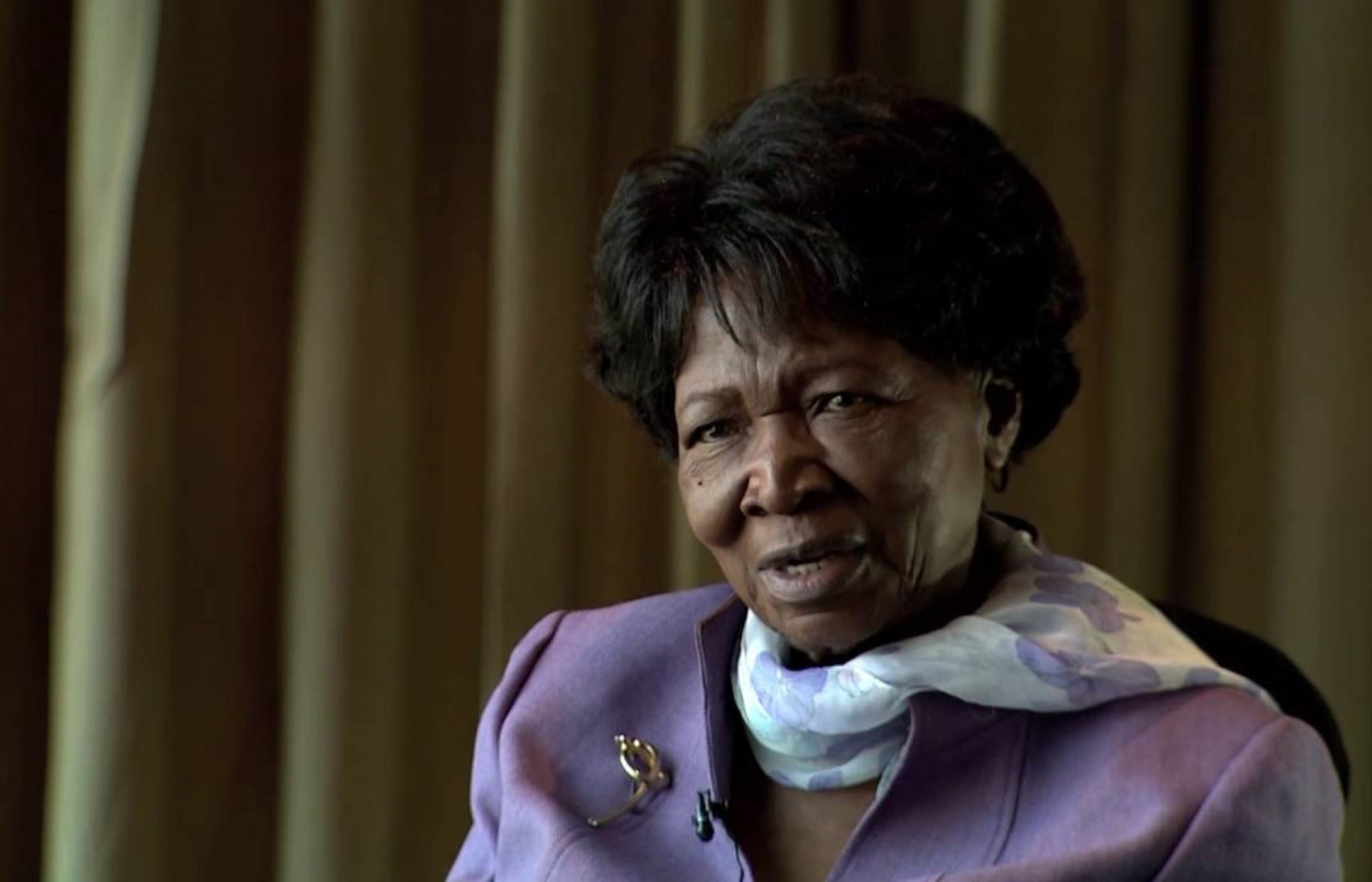
In Remembrance of Phoebe Muga Asiyo: Pioneering Voice for Women’s Rights in Kenya
On July 17, 2025, the legacy of Phoebe Muga Asiyo came to an end with her passing at the age of 93. A revered figure in post-independence Kenya, Asiyo was instrumental in advancing women’s rights and serving as a leading advocate for female political participation. Her contributions, alongside contemporaries such as Catherine Nyamato, Grace Onyango, and Orie Rogo Manduli, transformed the landscape for women in Kenyan society.
Early Life and Commitment to Social Change
Born at the Gendia Seventh-day Adventist Mission in Homa Bay County, Asiyo was raised in an environment that promoted education and social responsibility. She quickly established herself as a prominent voice within the women’s movement, taking the helm of the Maendeleo ya Wanawake organization as early as 1958. This marked the beginning of her lifelong commitment to advocating for women’s rights in Kenya.
Political Milestones
Asiyo’s foray into politics began in 1960, when she joined a delegation to Lodwar to discuss women’s roles in the newly independent Kenya with Jomo Kenyatta. Her political journey culminated in 1979, when she secured a parliamentary seat representing Karachuonyo. Despite facing challenges, including the annulment of her initial victory, she continued to serve her constituency, being re-elected in 1983 and again in 1992, even as a member of the opposition party Ford-Kenya.
Leadership and Ethical Commitment
In a largely male-dominated political landscape dominated by the KANU party, Asiyo’s leadership was characterized by strong ethical principles and a focus on service. Her background in a family that recognized the strength of women influenced her approach. Asiyo is remembered for her capacity to resolve conflicts with empathy and wisdom, adhering to her father’s teaching that “words can build or destroy.”
Legacy and Impact
The foundation dedicated to her memory emphasizes the importance of remembering Phoebe Asiyo as a representative of a generation committed to creating a more equitable and inclusive Kenya. Her quiet yet impactful efforts helped reshape public life and included the voices of women who have long been marginalized.
As we reflect on her life, it is essential to recognize Phoebe Muga Asiyo not only as a leader but as a symbol of resilience and dedication to the principles of justice and equality.
