


The Hidden Dangers in Feminine Hygiene Products
Recent studies have revealed troubling findings regarding reusable menstrual products, indicating they may contain hazardous chemicals linked to various health issues. This situation underscores a broader concern regarding women’s health and product safety.
Concerns About Reusable Menstrual Products
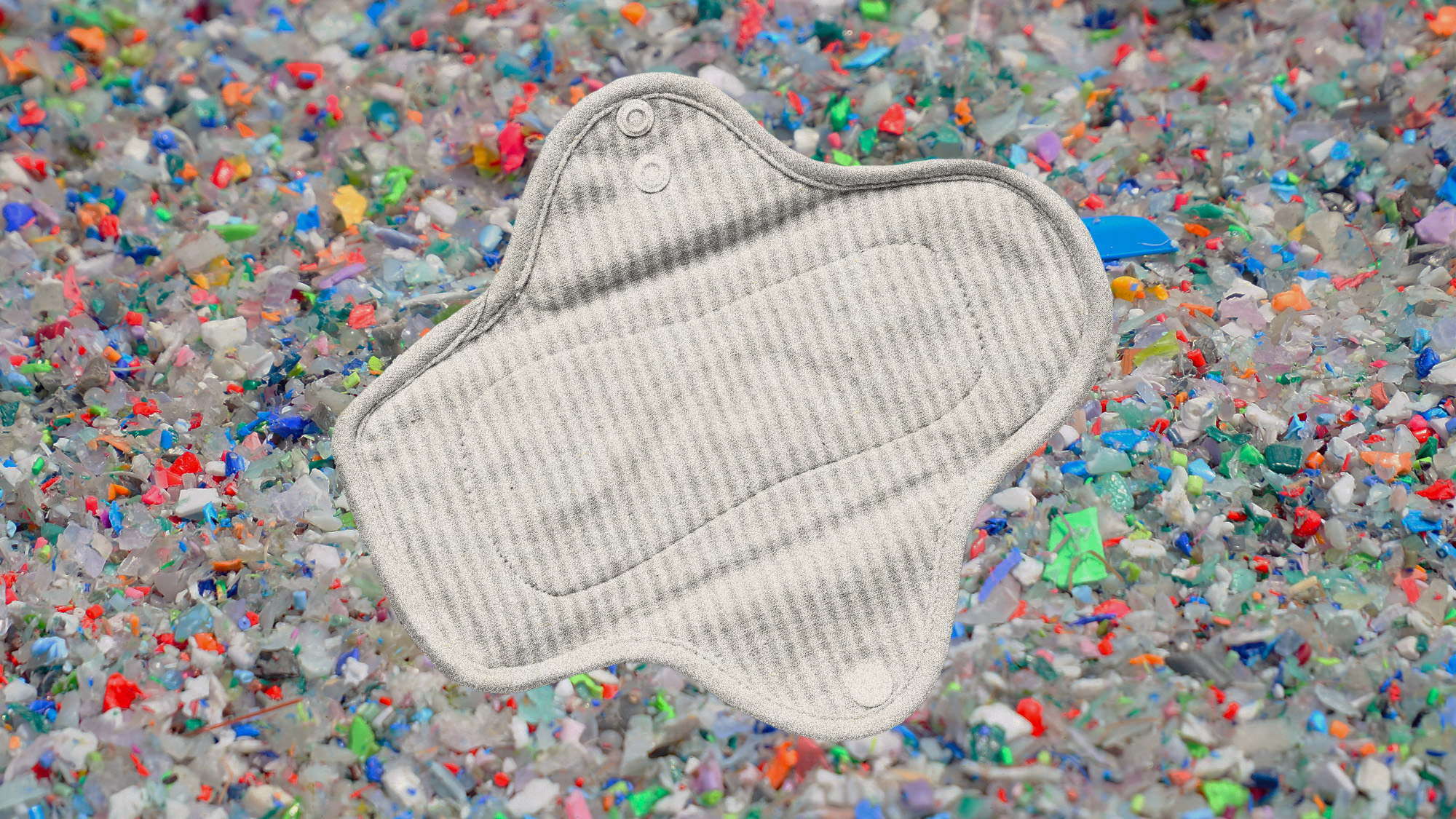
Research published in the journal Environmental Science & Technology Letters highlights significant levels of perfluoroalkyl and polyfluoroalkyl substances (PFAS), commonly known as “forever chemicals,” in reusable menstrual items. According to Graham Peaslee, a professor at the University of Notre Dame and the study’s principal author, “What’s shocking is that we found 33% of period underwear and 25% of reusable pads had intentional PFAS use — meaning the chemicals had been put there, likely to keep the products from leaking.”
PFAS are known carcinogens and have been linked to a range of adverse health effects, including reproductive and endocrine disorders. The use of these chemicals has raised significant alarm among health professionals and consumers alike.
The Broader Issue of PFAS in Feminine Hygiene Products
The presence of PFAS is not limited to reusable products. A 2022 analysis uncovered that 48% of the disposable sanitary pads and liners tested were also contaminated with these harmful substances. The analysis further noted that claims of being “natural, organic, or clean” do not guarantee the absence of PFAS contamination. Moreover, a 2024 investigation revealed toxic heavy metals in various tampon brands around the globe.
Challenges in Safety Testing
The increasing popularity of reusable menstrual products, often considered a safer and more sustainable alternative, highlights the urgent need for thorough safety assessments. Marta Venier, a professor at Indiana University and co-author of the previous study, stated, “Since reusable products are on the rise due to their increased sustainability compared to single-use products, it’s important to ensure that these products are safe,” particularly for adolescents and young women who may be more susceptible to health issues.
Historical Neglect of Women’s Health in Product Safety
Instances of harmful chemicals found in products marketed to women are not new. For example, certain hair dyes have been shown to include chemicals that raise cancer risk and can provoke serious allergic reactions, affecting both users and professionals in the beauty industry. Kathryn M. Rexrode, an associate professor at Harvard Medical School, noted, “Products are tested to make sure they don’t cause short-term problems, such as skin irritation, but not for extended health consequences.”
Research indicates that women often have higher exposure to these products and their associated risks. A study from May revealed that among 64 Black and Latina women in Los Angeles, 53% reported using beauty products containing formaldehyde and related preservatives, both known carcinogens. Additional findings from Consumer Reports confirmed that many synthetic hair products popular within these communities contained harmful ingredients, including lead.
The Environmental Impact of Harmful Chemicals
The implications of allowing dangerous chemicals in women’s products extend beyond individual health risks. As noted by Peaslee, “Everything in the U.S. ultimately goes into landfills, and with time, these forever chemicals leach into our drinking water, our irrigation water, and our food supply.” This contamination can ultimately affect public health and the environment.
The Need for Improved Research and Regulation
The healthcare system’s neglect of women’s health and the lack of rigorous testing for long-term safety in products marketed toward them signify a critical gap that requires immediate action. Advocating for stricter regulations and increased research focus on women’s health issues is essential to safeguard not only personal well-being but societal health as a whole.
