


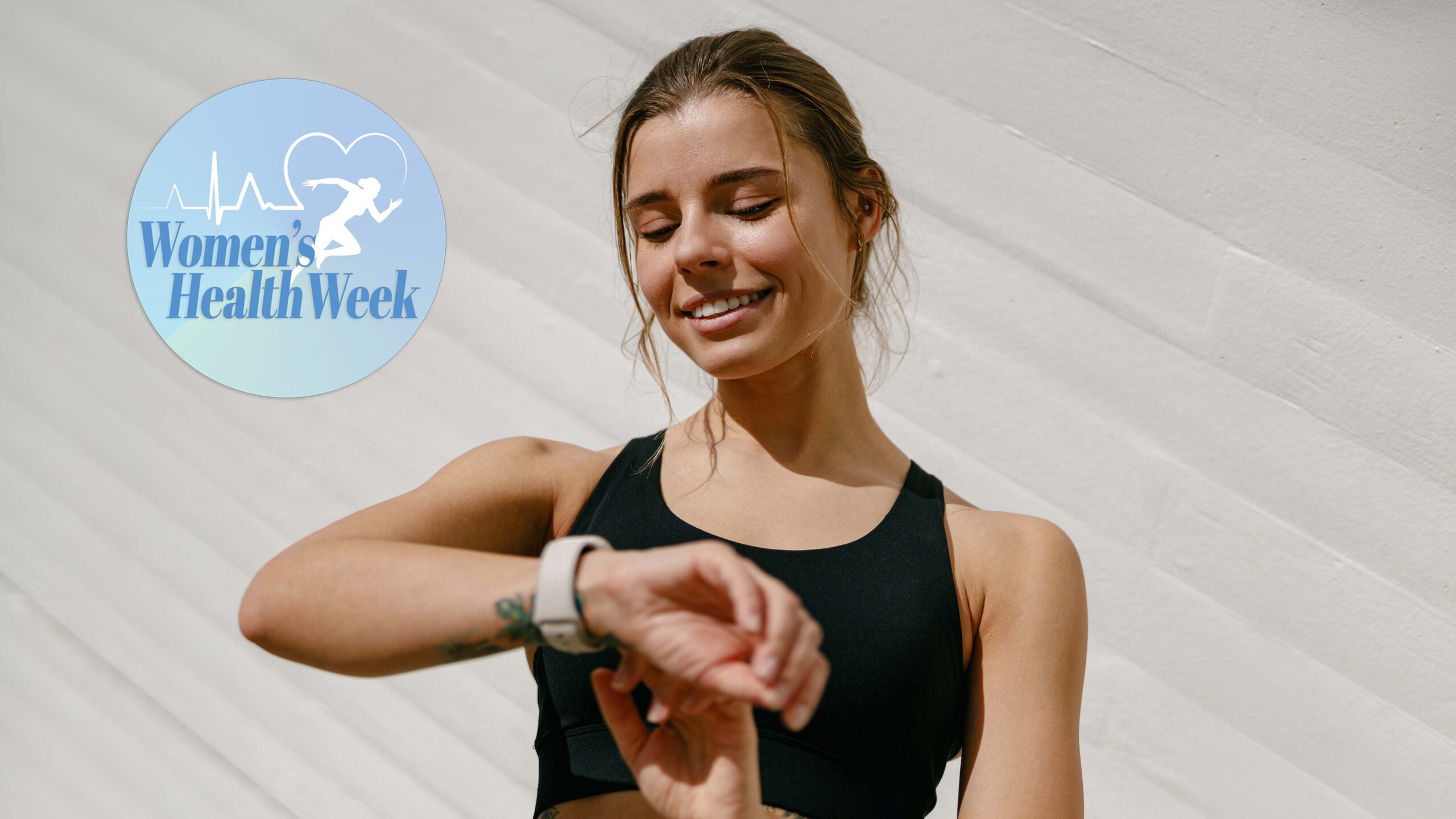
Understanding the Role of Fitness Trackers in Women’s Health
Fitness trackers have emerged as invaluable tools for promoting healthier lifestyles. Whether utilizing a device such as an Apple Watch, Garmin, or Fitbit, users can monitor critical metrics including step count, heart rate, oxygen consumption, and sleep patterns.
Women’s Health Week
This article is part of Tom’s Guide’s Women’s Health Week series, which highlights how technology enhances women’s wellness through various life stages.
Research published in the Journal of Medical Internet Research indicates that women constitute a substantial portion of fitness tracker users. While many devices cater to women by tracking menstrual cycles and pregnancy, the efficacy of these insights remains under scrutiny. Do these devices truly enhance women’s health comprehension, or do they simply accumulate data without providing substantial context?
What Are Fitness Trackers and What Data Do They Collect?
Fitness trackers, which come in forms like wristbands and smart rings, collect personal health data using a combination of sensors and user-inputted information such as age, height, and weight. They track various health metrics including:
- Heart rate during rest and exercise
- Daily step count
- Calories burned
- Duration of deep sleep
Many popular models, particularly from brands like Apple and Garmin, offer advanced analytics, providing insights into overall cardiovascular fitness and optimal recovery times.
Evaluating the Accuracy of Fitness Trackers
In terms of steps taken and heart rate trends, fitness trackers are generally reliable. However, discrepancies may arise based on how the device is worn. Metrics related to calories burned may vary in accuracy, as they depend on estimates derived from heart rate and activity levels, alongside static user data like gender and weight. Importantly, these calculations often overlook individual body composition factors, which can significantly influence caloric expenditure.
When it comes to assessing VO2 max—the maximum volume of oxygen the body can utilize during intense exercise—trackers typically provide estimates, whereas accurate measurements are generally obtained via specialized laboratory tests.
Top Fitness Trackers for Women’s Health Monitoring
While many fitness trackers offer menstrual cycle tracking, devices like those from Garmin take it a step further. Garmin’s models allow users to log additional symptoms associated with menstrual irregularities, as well as details relevant during pregnancy. For example, users can track:
- Cycle dates and phases
- Additional symptoms, particularly for those dealing with conditions like PCOS or menopause
- Detailed pregnancy metrics, including estimated gestational age and nutrition advice
The Apple Watch also features comprehensive health data for women, utilizing temperature data to assist in identifying ovulation periods and fertile windows. Although users find this functionality beneficial, it’s important to remember that these readings should be interpreted as estimates.
Are Fitness Trackers Meeting Women’s Health Needs?
While fitness trackers have primarily focused on physical activity, recent advancements in their features underscore the growing importance of diverse health metrics, specifically tailored to women’s health. As technology evolves, brands are increasingly recognizing the need to address women’s wellness more holistically.
Conclusion
In conclusion, fitness trackers can serve as effective tools in monitoring and improving women’s health, provided users understand their capabilities and limitations. As technology continues to advance, these devices will likely become even more integral to personal health management.
