


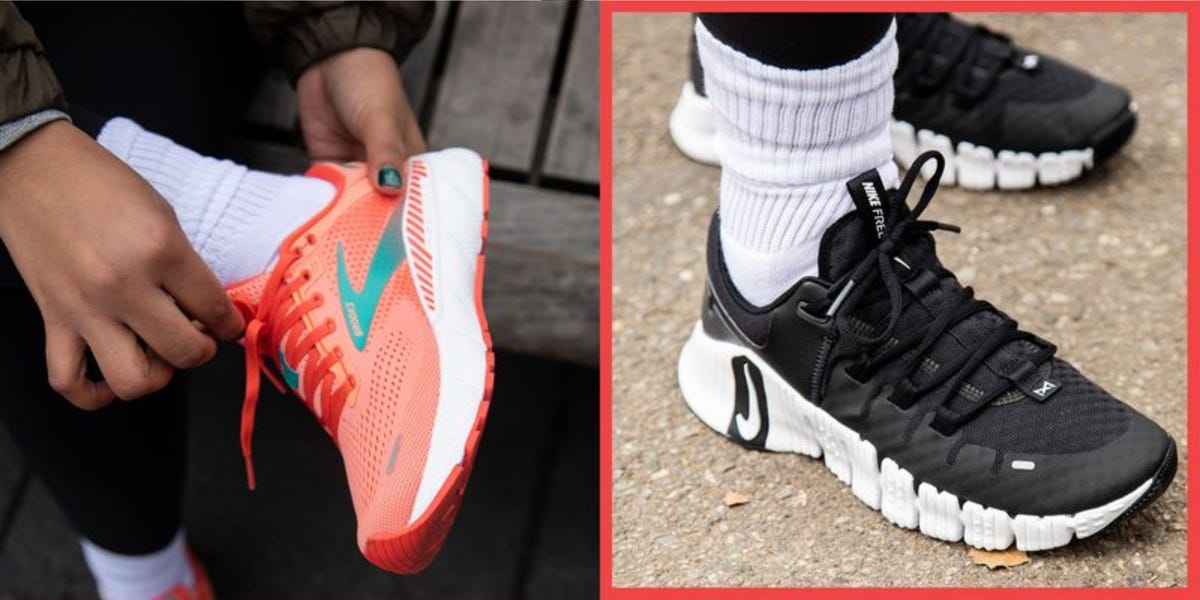
The Ultimate Guide to the 8 Best Cross-Training Shoes for Women
Finding the right cross-training shoe is crucial for maximizing performance in various workouts. Not all shoes cater to every fitness enthusiast’s requirements. Therefore, factors such as size, fit, weight, heel-to-toe drop, support, and intended activities play pivotal roles in your selection process.
Key Considerations When Choosing Cross-Training Shoes
1. Size and Fit
A proper fit is essential for comfort during your workouts. According to personal trainer Mali Pelham, “Your feet should feel supported, not suffocated.” Opt for shoes that provide a snug midfoot area while allowing ample space for your toes. Trying multiple sizes is advisable, as not all brands fit the same way. Don’t overlook width options, as various brands cater to both narrow and wide feet.
2. Weight
Cross-training shoes vary significantly in weight, ranging from lightweight options for activities like HIIT and cardio to more heavy-duty pairs meant for weightlifting. A shoe is considered lightweight generally if it weighs under 10 ounces. Assess your regular workout activities to select an appropriate weight.
3. Heel-to-Toe Drop
The heel-to-toe drop measures the height difference between the heel and the forefoot. If your training involves running or plyometrics, a neutral drop is advisable. It promotes a natural foot strike, decreasing impact on joints. However, individuals with flat feet or foot issues may find a higher drop (9 to 12 millimeters) beneficial for support. On the flip side, lifting calls for a low drop (0 to 4 millimeters) for enhanced stability and ground feel.
4. Support
Choosing between neutral and stability shoes is essential for optimal performance. Stability shoes offer more support and control for flat feet and individuals who overpronate. Additionally, for weightlifting, a firm midsole provides stability, while cushioned shoes may help during explosive activities like jumps.
5. Activities
Your chosen workouts significantly impact your footwear selection. Consider the following:
- HIIT: Look for a responsive and stable shoe.
- Weightlifting: A wider base and lower cushioning enhance stability.
- Plyometrics: Shoes should have light to medium cushioning for balance.
- Running: A supportive shoe, considering heel-to-toe drop and cushioning, is crucial.
How We Selected the Best Cross-Training Shoes
This guide is a result of meticulous testing by fitness professionals and editors at Women’s Health. We evaluated over 32 pairs from reputable brands, gathering insights from certified trainers like Mali Pelham, CPT, CFSC, and others. Our hands-on testing assessed comfort, stability, fit, and overall performance across various workouts.
Featured Cross-Training Shoes
1. Most Comfortable: lululemon Strongfeel Training Shoe
With a snug fit and a comfortable upper, the lululemon Strongfeel excels in HIIT and short runs while ensuring great stability. However, individuals with wider feet might consider sizing up.
Sizes: 3.5-9.5 | Weight: 10.2 oz | Drop: 6 mm | Activities: HIIT, strength training
2. Best Lifting Shoe: R.A.D® R-1 LIMÓN GUM
This model offers responsive energy for HIIT and stability for strength training, thanks to its unique foam design.
Sizes: 3.5-12 | Weight: 9.7 oz | Drop: 8 mm | Activities: HIIT, strength training
3. Best for Stability: Brooks Adrenaline GTS 24
This shoe features “GuideRails technology” for optimal motion control, ideal for runners and lifters alike.
Sizes: 3-11 | Weight: 9.1 oz | Drop: 12 mm | Activities: Running, walking
4. Most Lightweight: lululemon Chargefeel 3 Workout Shoes
Perfect for strength training and shorter sprints, this shoe keeps you agile with flexible cushioning.
Sizes: 3.5-9.5 | Weight: 8 oz | Drop: 6 mm | Activities: HIIT
5. Best for HIIT: Reebok Nano X5
This improved version enhances stability and responsiveness, perfect for high-intensity workouts.
Sizes: 2.5-9.5 | Weight: 12.1 oz | Drop: 7 mm | Activities: HIIT, weightlifting
6. Best for Runners: Nike Free Metcon 6
An ideal choice for mixed workouts, this shoe combines flexibility with support.
Sizes: 2.5-9.5 | Weight: 12.7 oz | Drop: 4 mm | Activities: HIIT, agility
7. Best for CrossFit: Nike Metcon 9 Premium
This shoe offers exceptional stability and comfort for varied CrossFit workouts, making it a favorite among enthusiasts.
Sizes: 3-8 | Weight: 12.4 oz | Drop: 4 mm | Activities: HIIT, strength training
8. Best for Wide Feet: Altra Solstice XT 3
This shoe’s anatomical design offers ample toe space, making it suitable for various workouts.
Sizes: 3.5-10 | Weight: 9.5 oz | Drop: 0 mm | Activities: HIIT
Frequently Asked Questions
What Are Cross-Training Shoes Used For?
Cross-training shoes provide the necessary stability and support for a variety of activities, including weightlifting, HIIT, agility drills, and short-distance running.
What Is the Difference Between Cross-Training Shoes and Running Shoes?
While cross-training shoes offer greater lateral stability and traction for varied movements, running shoes are generally lighter and more flexible, catering primarily to forward motion.
Can You Walk or Run in Cross-Training Shoes?
Yes, they are suitable for walking and short runs; however, they are not typically ideal for long-distance running due to their design and cushioning levels.
