


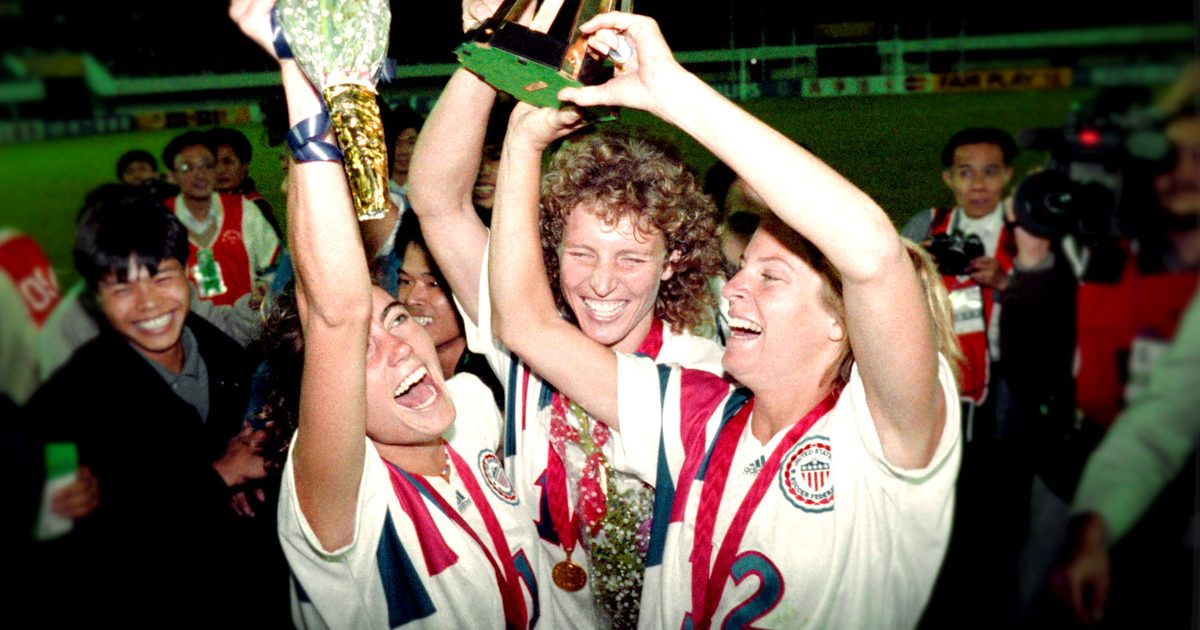
Title IX: Transforming Women’s Opportunities in Sports
Historian Jean Williams discussed the notable impact of a specific U.S. federal law on women’s athletics in a recent episode of the HistoryExtra podcast. Contrary to common beliefs about athletic prowess, Williams attributes this change to small but significant details in federal legislation.
Understanding Title IX
Enacted in 1972 as part of the civil rights Education Amendments under President Richard Nixon, Title IX was initially designed to eliminate sex-based discrimination in educational programs receiving federal funds. Although its primary aim was not to revolutionize sports, it significantly influenced women’s access to athletic opportunities.
“It was an education law that stated: if federal funds had been used in any educational facility for male students, an exactly comparable amount had to be spent on female activities,” Williams elaborates. This legislation compelled educational institutions nationwide to provide equal funding for women’s sports, including access to teams, facilities, coaching, and financial resources.
The repercussions of Title IX were profound and, as Williams notes, led to “unintended consequences” that invigorated women’s sports in the U.S.
Scholarship Opportunities and Soccer Growth
Colleges, eager to enhance their athletic reputations, seized the chance to develop women’s sports, particularly soccer. As Williams points out, soccer was viewed as less aggressive than traditional American football, allowing institutions to allocate comparable resources to female athletes.
This shift resulted in increased investment in women’s soccer and heightened competitiveness. “A winning women’s soccer team reflected very well upon a college,” Williams states. This dynamic opened the door for athletic scholarships tailored for women, promoting their participation in these sports.
American soccer icon Julie Foudy, a two-time FIFA Women’s World Cup champion and two-time Olympic gold medalist, exemplifies the opportunities created by Title IX. According to Williams, Foudy had the choice between pursuing a medical education at Stanford or accepting a soccer scholarship, showcasing the tangible impact of these legislative changes.
Europe’s Different Journey in Women’s Football
While the U.S. was progressing toward elevating female athletes, Europe—especially England—maintained a contrasting narrative. The Football Association (FA) banned women from playing on official pitches in 1921, a restriction that lingered until 1971. In many parts of Europe, a stigma surrounding women’s football persisted well into the late 20th century.
“The 1971 unofficial Women’s World Cup in Mexico signaled that women’s football could go one way or another,” says Williams. This tournament, though not officially recognized, drew massive crowds, indicating a public appetite for women’s football. However, fragmented support from national associations hindered substantial growth, unlike the well-supported structure seen in the U.S.

The Historical Roots of Women’s Football
The narrative of women’s football predates both Title IX and the 1971 World Cup. A burgeoning interest arose during World War I when working-class women took on factory jobs while men were at war. This new independence enabled them to form informal football teams during breaks.
Unfortunately, the FA soon stifled this enthusiasm, claiming, “the game of football was unsuitable for women, that women were too delicate.” By imposing a ban on women playing on any FA-affiliated pitch in 1921, the FA effectively marginalized the sport, leading to underground play.
A Resurgence in Women’s Football
Today, women’s football is experiencing a resurgence globally, bolstered by institutional support and major tournaments, such as the successful run of the England Women’s team in the 2022 UEFA European Championship. Williams describes these victories as “seismic,” demonstrating that women’s football can captivate large audiences and gain national support.
This overview is based on insights shared by Jean Williams during her conversation with Spencer Mizen on the HistoryExtra podcast. For further details and context, listen to the full discussion.
