


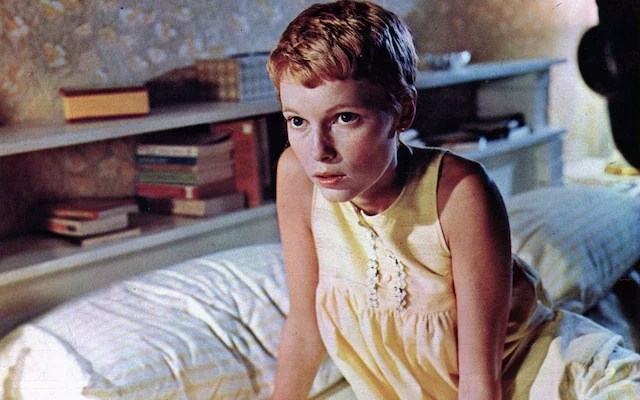
The Power Bob: A Symbol of Empowerment and Change
Short hair on women often evokes strong reactions and signifies deeper ideological undercurrents. The Power Bob, a recent trend linked to women in political positions, exemplifies this concept, illustrating how hairstyles can embody statements about identity, empowerment, and societal norms.
Historical Context of Women’s Hairstyles
Short hair on women has a rich history intertwined with rebellion against patriarchal expectations. Historically, women’s hairstyles have been a reflection of their social status and roles:
- During the 1920s, the bobbed hairstyle marked a challenge to traditional femininity.
- In the 1940s, practicality took precedence as women engaged in military and industrial roles.
- Post-sexual revolution, short hair became a representation of alternative lifestyles and political statements.
Understanding the Power Bob
The contemporary Power Bob offers a unique aesthetic that projects strength and autonomy. Recently embraced by members of Britain’s Labour Party, this hairstyle typically features a blunt cut that is both practical and striking. The symbolism behind the Power Bob extends beyond mere appearance:
- It conveys a disinterest in male validation.
- It represents a shift away from traditional concepts of femininity.
- The look is often described as “no-nonsense,” challenging societal norms while remaining accessible.
Reactions and Cultural Commentary
Whenever a woman opts for a significant hair change, especially to a short style, it tends to attract a mix of admiration and criticism, often with male commentators expressing discomfort. This division emphasizes the broader cultural conflict regarding women’s choices and autonomy. Comments such as, “Why would women ruin their looks?” highlight a persistent male gaze influencing public perception.
The Power Bob and Political Landscape
Current discussions surrounding the Power Bob have resurfaced notions from earlier political discourses, particularly when analyzing prominent women in politics. While past candidates like Hillary Clinton faced scrutiny over their hairstyles, the landscape is evolving. Today, women in leadership roles demonstrate that diversity in appearance—beyond a short haircut—is becoming increasingly acceptable:
- Figures like Angela Merkel and Sanna Marin represent differing aesthetics within political leadership.
- The modern political stage exhibits a variety of styles, suggesting that a woman’s appearance need not conform to outdated standards to be taken seriously.
Conclusion: A New Era for Women’s Haircuts
The Power Bob may soon be perceived as traditional as its predecessors like the pantsuit. Increasingly, the societal relevance of a woman’s hairstyle in her professional life indicates a shift towards appreciating individuality over conformity. As women continue to break barriers in various fields, it’s evident that hairstyles, including the Power Bob, are merely one part of a broader narrative of empowerment and self-definition.
