


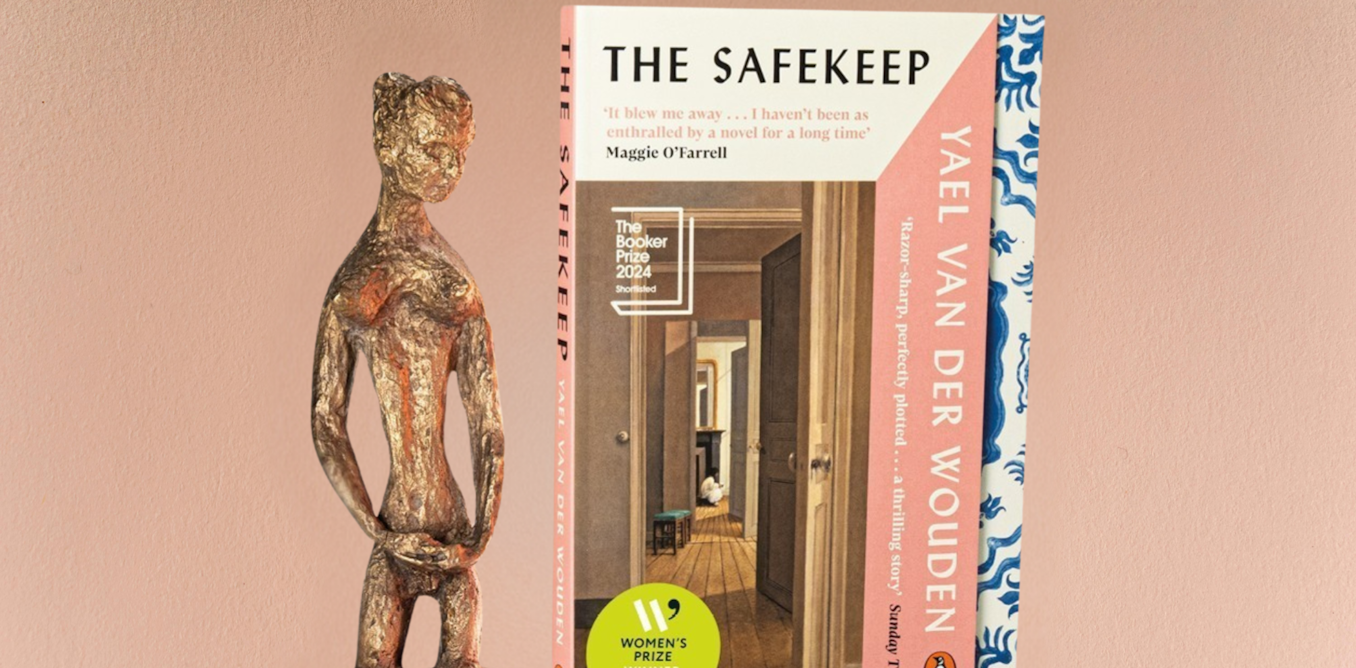
The Safekeep: A Novel Exploring Dutch History and Personal Turmoil
The Safekeep, a remarkable debut novel by Yael van der Wouden, was awarded the 2025 Women’s Prize for its poignant exploration of a neglected chapter in Dutch history—specifically, the fate of Jewish belongings during the Second World War. This narrative prompts readers to confront the unsettling truths behind personal and collective histories.
Isabel: The Protagonist’s Struggle
The story unfolds through the eyes of Isabel, a woman living alone in her family’s expansive rural home in the Netherlands during the 1960s. Unlike mere walls and structures, the house serves as a critical psychological space for Isabel, who meticulously maintains it in memory of her late mother. To her, “a house is a precious thing”; her obsessive preservation of it reflects her ongoing struggle with a turbulent past marked by her overbearing parent.
Isabel’s sense of identity is intertwined with the house, as she recognizes that it is her only refuge, her sole semblance of control. However, she is acutely aware that this familial estate will eventually belong to her brother, whose unpredictable lifestyle starkly contrasts her own. This dynamic changes when he introduces Eva, his new girlfriend, into her carefully organized existence.
A Clash of Worlds
Eva’s presence disrupts Isabel’s tightly controlled environment, forcing her to confront uncomfortable truths about her role in the family and her relationship with the house. This unforeseen companionship exposes the underlying issues of inheritance—not only of property but also of emotional baggage stemming from Isabel’s upbringing. The interactions between Isabel and Eva highlight contrasts between their approaches to femininity and self-identity.
A Painful Legacy of Trauma
Set fifteen years after WWII, van der Wouden’s novel delves into the lingering psychological scars left by trauma. It grapples with themes of theft and cultural amnesia while illuminating how often dark histories are overshadowed by veneer respectability. The narrative unfolds gradually, akin to unearthing a forgotten box of photographs that reveal profound yet fragmented stories.
The House as a Character
The house serves almost as an additional character within the story, reflecting both nostalgia and moral ambiguity. As the plot progresses, Isabel’s relationship with her brothers is illuminated, marked by emotional estrangement and complex family dynamics influenced by their mother’s legacy. The tension built from these histories fosters an environment ripe for reevaluation of personal values and beliefs about love, relationships, and the very concept of home.
Conclusion: A Subtle Exploration of Truth
The Safekeep captivates readers with its lyrical prose and intricate moral complexity. By blending domesticity with historical implications, van der Wouden crafts a narrative that explores deeper themes of truth and transformation. This novel not only commemorates those lost but also encourages reflection on the legacies we inherit and the unresolved narratives that shape our lives.
