


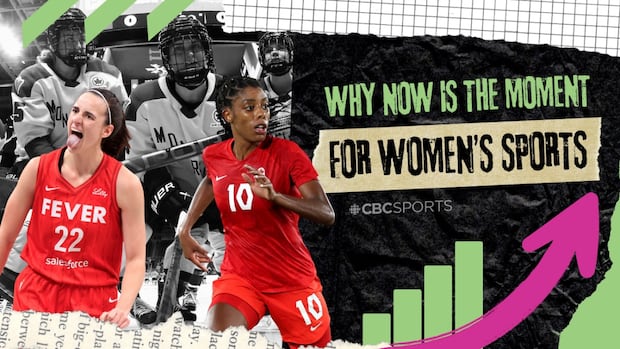
The Evolution of Women’s Sports: A Catalyst for Change and Growth
In July 2020, amid the global COVID-19 pandemic, the Women’s National Basketball Association (WNBA) faced an unprecedented challenge. A group of 144 players convened in Bradenton, Florida, to participate in a 22-game season held in empty arenas, also known as the “Wubble.” This unique setup allowed athletes to comply with social distancing measures while engaging in elite-level basketball for nearly three months.
On-Court Highlights
During the Wubble season, several standout performances shaped the narrative. Arike Ogunbowale of the Dallas Wings emerged as the league’s leading scorer, averaging 22.8 points per game. Additionally, A’ja Wilson of the Las Vegas Aces earned the Most Valuable Player (MVP) award. The Seattle Storm claimed the championship, successfully sweeping the Aces in the finals.
Off-Court Impact: Social Justice and Athlete Activism
The WNBA’s significance transcended the basketball court during this period, particularly due to the surge of the Black Lives Matter (BLM) movement following the murder of George Floyd in May 2020. WNBA athletes utilized their platforms to advocate passionately for social justice, becoming among the first sports figures to publicly support BLM. Their activism drew immediate attention, particularly when Atlanta Dream owner Kelly Loeffler opposed their initiatives, leading to a backlash as players rallied around her political opponent in the subsequent November elections—an election Loeffler lost, prompting her to sell her stake in the team.
The pandemic allowed for the WNBA’s messages and games to gain significant visibility on major sports networks like ESPN and ABC, raising the profile of women’s sports amid a saturated sports landscape largely devoid of live action.
The Changing Landscape of Women’s Sports
As societal awareness of women’s sports began to shift, the comparison between the NBA and WNBA became more equitable in the absence of live audiences. Ann Pegoraro, chair of Sport Management at the University of Guelph, emphasized how the empty arenas highlighted the gameplay itself, offering an egalitarian platform for both leagues.
Since the Wubble, women’s sports leagues have witnessed a remarkable resurgence. The emergence of various new leagues, including the Northern Super League (NSL) in Canada, and the increasing popularity of players like Caitlin Clark showcase a robust trajectory of growth. Notably, WNBA viewership surged by 170% three years after the Wubble experience.
The Future is Bright: Investment Opportunities
According to Diana Matheson, founder of the NSL, earlier attempts to establish women’s professional leagues would likely have faltered due to a lack of investment and societal support. However, current projections indicate a significant rise in financial viability for women’s sports.
The NSL kicked off its inaugural season in April 2023, drawing over 14,000 fans in its first game, thus validating the market for women’s professional soccer in Canada.
- The attendance at women’s soccer games in the U.S. has risen by 53% since 2019.
- With new data projecting women’s team valuations to escalate from $2.6 billion in 2023 to $4.3 billion by 2027, investment in women’s sports appears increasingly lucrative.
Innovative approaches by sponsors and organizations are fostering newfound opportunities. Brands such as Sephora are aligning their marketing strategies with the amplified presence of women in sports, recognizing the purchasing power that comes with female engagement in athletics.
Marketing Trends and Economic Potential
Sephora’s senior vice-president of marketing, Allison Litzinger, noted the increasing influence of women in leadership roles, which directly affects corporate sponsorship decisions. “More diverse perspectives bring greater awareness to areas that have long been undervalued,” Litzinger stated. In 2024, the WNBA achieved a record $136 million in sponsor media value, attracting major corporations such as Nike and Gatorade.
Industry reports forecast that women’s sports could reach an impressive market value of $2.35 billion in 2025, emphasizing the growing appeal of women’s athletics as not just a niche market but a dynamic investment opportunity.
A Promising Horizon for Women Athletes
As the PWHL launched its inaugural season in January 2024, it introduced a collective bargaining agreement (CBA) that had never before been established before a league’s first match. This fundamental change in structure signifies a new era of support for women athletes, ensuring that their work is recognized and compensated justly.
Players like Chloe Primerano, a promising talent heading into the PWHL draft, express optimism about their prospects. “Knowing that there’s something awaiting after college is awesome,” said Primerano, underscoring the potential for professional careers in women’s sports.
Conclusion: A Movement Towards Equity
Reflecting on pre-pandemic basketball narratives where women’s sports often played a secondary role, the progress made since the Wubble is undeniable. The simultaneous evolution of women’s leagues across varied sports is not merely a trend; it represents a fundamental movement toward greater equity in athletics.
As investments flood into women’s sports and the visibility of female athletes continues to rise, the societal and economic implications promise a sustained impact for years to come. The message is clear: women’s sports are not just momentarily relevant; they are indeed part of a larger movement igniting profound change.
