


Women’s Sports Surge: How the WNBA and Emerging Leagues are Changing the Game
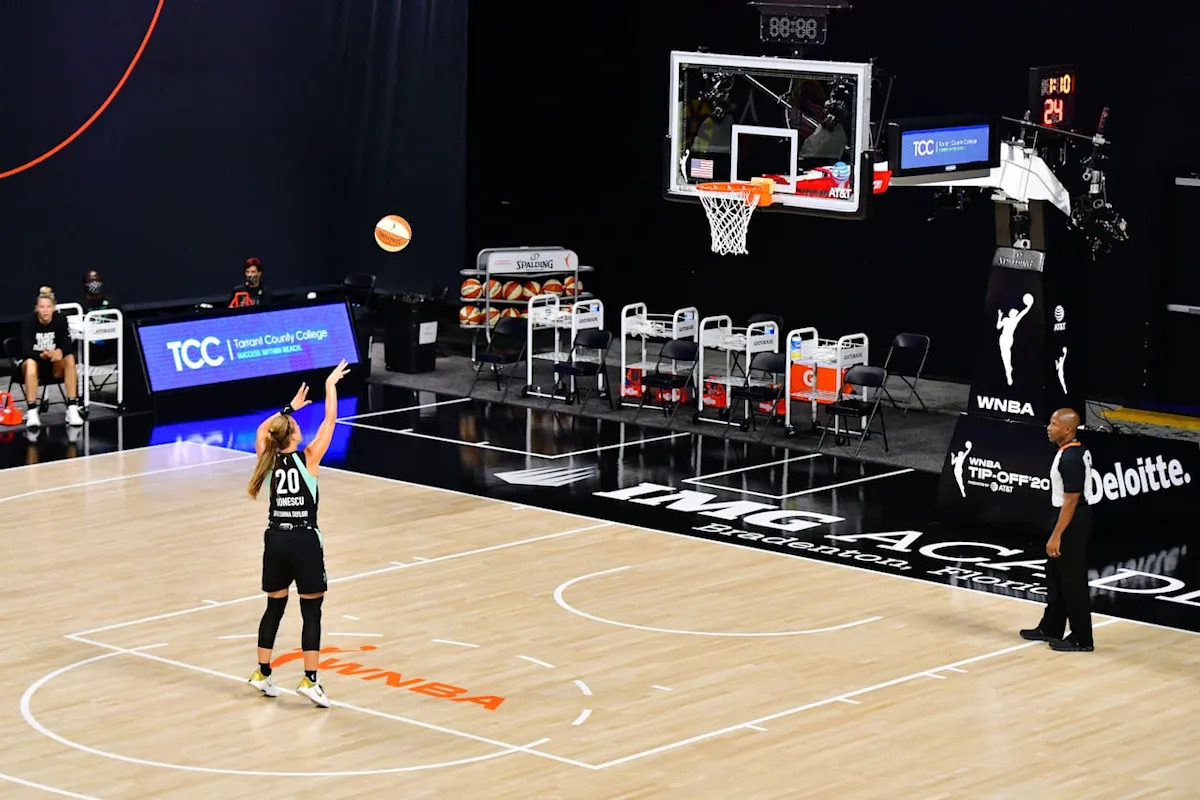
In July 2020, amidst the global pandemic, 144 players from the WNBA convened in Bradenton, Florida, to participate in a unique 22-game season played in largely empty arenas. This setup, dubbed the “Wubble,” functioned as a campus-style isolation zone at IMG Academy, carefully structured to comply with COVID-19 social distancing guidelines. Players endured daily COVID testing, shared living spaces with teammates, and made significant sacrifices to engage in elite basketball over nearly three months.
On-Court Highlights and Off-Court Impact
The season showcased impressive performances, with Arike Ogunbowale of the Dallas Wings claiming the scoring title with an average of 22.8 points per game. Vegas Aces center A’ja Wilson earned the MVP title, while the Seattle Storm emerged victorious, sweeping the Aces 3-0 in the finals. However, the significance of the players’ activism off the court marked a pivotal moment for the league’s evolution.
In the wake of George Floyd’s murder in May 2020, WNBA athletes were quick to amplify the Black Lives Matter movement, using social media platforms to communicate their messages of support. Their activism faced opposition when Atlanta Dream owner Kelly Loeffler, a Republican senator, criticized the players, leading the athletes to rally around her opponent in the upcoming election. Ultimately, Loeffler lost, and shortly after, she sold her ownership stake in the franchise.
The Rise of Women’s Sports
This era marked a transformative period for women’s sports, as the WNBA’s games, along with its social justice initiatives, gained visibility on major sports networks such as ESPN, ABC, and CBS Sports Network. Ann Pegoraro, the chair of Sport Management at the University of Guelph, remarked on how playing in empty arenas created a level playing field between the NBA and WNBA, making the performances and competitions the central focus.
Women’s sports are on an unprecedented rise, marked by a flurry of developments across various sports, including soccer and hockey. With the establishment of two new pro leagues in Canada and the emergence of star players like Caitlin Clarke, the financial landscape is evolving. According to Diana Matheson, founder of the Northern Super League (NSL), “No moment in history has been what it is now with women’s basketball, women’s soccer, women’s hockey, women’s cricket—the data now around the world has never been there before.”
Investment Opportunities and Market Growth
Three years post-Wubble, the viewership of WNBA games surged by 170%, exemplifying a significant trend towards increased interest in women’s sports. Matheson emphasized that launching a female-centric pro soccer league in Canada would have been implausible five years ago, citing the country’s previously conservative investment climate in women’s sports.
Up until April 2025, Canada stood alongside Haiti as one of the only nations without a professional women’s league while competing in the Women’s World Cup. The launch of the NSL has changed that narrative, with 14,000 fans in attendance for its historic first game, illustrating the potential for female sports leagues to thrive.
Key Developments in Women’s Hockey
The Professional Women’s Hockey League (PWHL) began its inaugural season just over a year before the NSL’s launch. Following the dissolution of the Canadian Women’s Hockey League (CWHL) in 2019, over 200 female players unified to advocate for improved pay and support. The establishment of the PWHL in 2023 included pivotal contractual frameworks such as a binding collective bargaining agreement prior to the league’s first season, a first for women’s leagues.
Erin Ambrose of the Montreal Victoire expressed optimism about the PWHL, noting, “The true investment in our league and in our players is something that is huge.” The league quickly gained traction, drawing over a million fans to regular and playoff games in its second season. The surge in popularity necessitated venue changes to accommodate larger audiences.
The Business of Women’s Sports
Data from RBC indicates that team valuations for women’s sports are expected to enhance from $2.6 billion in 2023-2024 to $4.3 billion in 2027, showcasing the potential for substantial financial growth. Notably, teams such as the San Diego Wave FC saw return on investment skyrocketing to 5,550 percent since their inception. The WNBA’s new expansion team, the Golden State Valkyries, was recently valued at $500 million—ten times the original investment.
The influx of high-value sponsorships and an engaged fan base highlight the lucrative landscape for women’s sports. Pegoraro pointed out that strategic investors, like Alexis Ohanian and Serena Williams, are recognizing the value of women’s sports industries as promising sectors with expansive growth potentials.
Marketing and Consumer Engagement
The Toronto Tempo, an upcoming WNBA team, has already secured a sponsorship deal with Sephora Canada, signaling a shift in marketing strategies toward women-centric initiatives. Allison Litzinger, senior vice president of marketing at Sephora, stated that diverse leadership influences investment decisions, allowing brands to engage more meaningfully with consumers.
Statistics from the WNBA:
– In 2024, the WNBA generated a record $136 million in sponsor media value.
– 54% of its fan base in Canada comprises women, driving tailored partnerships and investments.
– The women’s sports sector is projected to be valued at $2.35 billion in 2025.
The Future of Women’s Sports
Chloe Primenaro, an 18-year-old prospect for the PWHL, reflects excitement towards her chance at a professional career, bolstered by the advancements in league structures and player opportunities. The growth in women’s sports has transformed the landscape—opportunities that seemed unattainable just a few years ago are now within reach.
While the progress made is substantial, areas for further improvement remain, including wage increases and accessible training facilities for all teams. As the world of women’s sports continues to flourish, it’s evident that this movement is set for sustained growth.
In summary, the events from the Wubble to the present have highlighted that women’s sports are not merely experiencing a moment; they are driving a transformative movement in athletics.
