


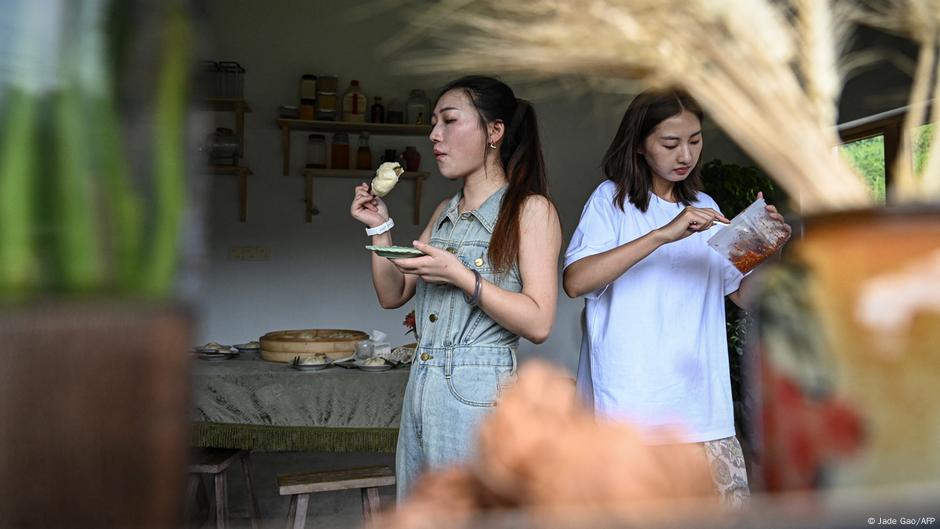
Women’s Communities Flourishing in China
In recent years, women’s communities in China have experienced significant growth, cultivating spaces for support, empowerment, and social interaction. This phenomenon reflects broader changes in Chinese society as women increasingly seek solidarity and collaboration in various aspects of their lives.
Emergence of Support Networks
The shift toward forming women’s communities is predominantly driven by an increased desire for connection and understanding. These networks vary widely, ranging from professional groups to social clubs, each catering to specific interests and needs. Women are finding strength in numbers, banding together to share experiences and tackle challenges unique to them.
- Professional Empowerment: Many women are creating networks that focus on career advancement, mentorship, and skill-building.
- Social Interaction: Recreational communities offer avenues for friendship and shared activities, promoting mental well-being.
- Activism and Advocacy: Some groups are dedicated to tackling social issues, including gender equality and women’s rights.
Digital Platforms Enhancing Connectivity
The rise of social media and digital platforms has played a crucial role in this community-building trend. Virtual spaces allow women from diverse backgrounds to connect, share resources, and mobilize for various causes. Online forums and social networks provide an accessible way to engage, fostering a sense of belonging among members who may not have found it elsewhere.
Challenges and Opportunities
While the growth of these communities provides numerous benefits, it is not without its challenges. Women often face societal pressures and cultural barriers that can hinder their participation. Nonetheless, these communities are also presenting opportunities to confront and address these obstacles head-on.
Benefits of Community Involvement
Engagement in women’s communities brings forth several advantages:
- Increased Confidence: Women often report heightened self-esteem after joining supportive networks.
- Resource Sharing: Communities facilitate the exchange of information and resources, enhancing personal and professional growth.
- Collective Action: Collaborating on issues allows women to advocate for change more effectively.
Conclusion
As women’s communities in China continue to grow, they are reshaping the landscape of social support among women, empowering them to navigate their lives with solidarity and strength. These groups not only provide a platform for individual expression but also foster collective action, paving the way for future advancements in gender equality and women’s rights within the country.
