


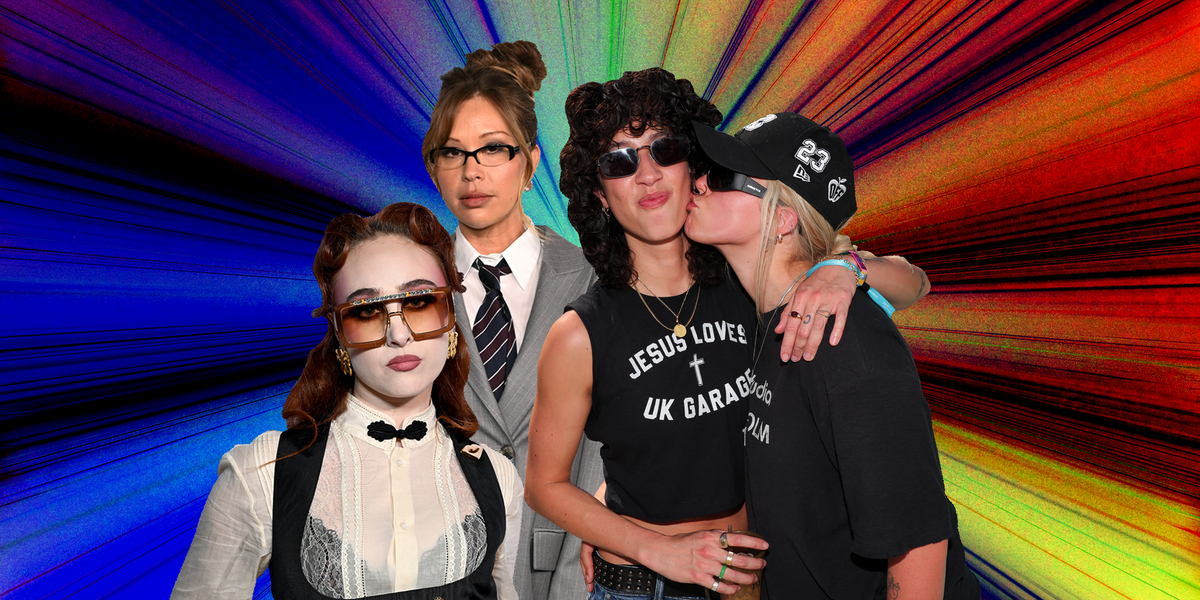
The Rise of Late-Blooming Lesbians: Cultural Shifts and Social Media Influence
In contemporary society, an increasing number of women are openly identifying as part of the LGBTQIA+ community, specifically as lesbians, even into their late twenties and thirties. This trend marks a significant transformation from traditional expectations, where younger women were often presumed to have their sexual identities established by their teenage years.
Cultural Representation and Visibility
The entertainment industry has played a pivotal role in this shift, with numerous high-profile female figures embracing their queer identities. Musicians such as Chappell Roan and Reneé Rapp, along with reality star Gabby Windey, exemplify this evolution. Windey, who openly explored her sexuality after coming out at age 32, highlights a broader trend among women who have identified as bisexual or heterosexual in the past but are now fully embracing their lesbian identities.
In her interview with Hollywood Reporter, Reneé Rapp mentioned the recent development of her self-identification as a lesbian. Chappell Roan also shared her commitment to dating women exclusively, moving away from previous relationships with men. This growing visibility in pop culture encourages others to resonate with these experiences and identities.
Impact of Online Communities
The internet has emerged as a supportive platform where individuals can explore and understand their sexual identities. A notable example is the ‘Lesbian Masterdoc,’ a comprehensive guide published by Tumblr user Anjeli Luz in 2018. The document gained renewed attention on TikTok, reaching a wide audience and assisting many in their journeys to self-discovery. Users like Kehlani and Ariel Tusa credit the guide with playing a crucial role in helping them recognize their identities later in life, highlighting the importance of community and accessible resources in shaping one’s understanding of sexuality.
Shifting Perspectives on Sexual Identity
The social narrative surrounding sexuality often imposes a timeline that can hinder individuals from fully embracing their identities. Human sexuality educator Allie Melendez emphasizes that there is no designated timeline for recognizing one’s sexual orientation. Many women, conditioned by societal norms that prioritize heterosexuality, internalize a default assumption that can obscure their true identities until later in life.
“Folks are led to believe that any dissatisfaction they feel is a normal part of having a relationship with a man, rather than a clue that they might be gay,” explains Electra Rayne, founder of QueerCrush, shedding light on the challenges of recognizing one’s sexual identity.
This internalization of compulsory heterosexuality, as coined by Adrienne Rich, creates a pervasive environment where women may overlook their own feelings and attractions. Moreover, many late-blooming lesbians often transition through various stages of identity exploration, moving from identifying as straight, then bi, and ultimately recognizing themselves as lesbian.
The Role of TikTok and Social Media
TikTok, in particular, has generated a unique environment for queer recognition. With tailored algorithms, the platform can surface content that resonates with individuals, often leading them to discover facets of their identities they may not have previously considered. As noted, “TikTok never made anybody gay, but it did help us see pieces of ourselves reflected back to us for the first time,” reflects Tusa. This phenomenon signifies the role of social media in creating affirming spaces for exploration and identity confirmation.
Increased Representation in Media
In recent years, the representation of lesbian narratives in mainstream media has become increasingly prevalent. Shows like “A League of Our Own,” “Euphoria,” and “The L Word: Generation Q” are providing platforms for authentic portrayals of queer lives. This representation positively influences women’s comfort levels in exploring their sexual identities, as expressed by actor and musician Rivkah Reyes, who came to realize her sexuality at age 27.
Moreover, as individuals age, there tends to be a growing sense of self-acceptance and authenticity. Natasha Estrada, who came out at 40, emphasizes the importance of living intentionally and unapologetically as one embraces their true self.
Conclusion
For many women navigating their sexual identities later in life, the process of self-discovery may be gradual and nuanced. However, the increasing visibility of queer representation in culture, bolstered by supportive online communities and changing societal attitudes, suggests a liberating environment for self-acceptance. Whether you are at the start of your journey or feel a sense of belonging amongst the growing community of late-blooming lesbians, the message remains clear: embracing one’s identity at any age is not only valid but celebrated.
