


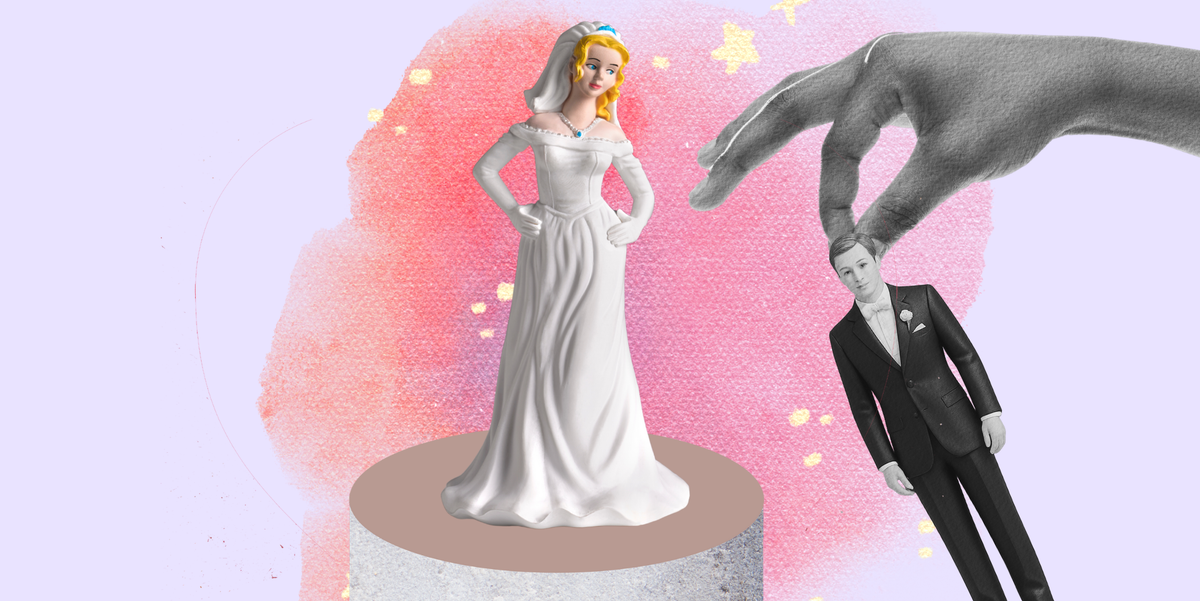
Why More Women Are Choosing to Stay Single
Throughout history, marriage has often been considered a key milestone for women, promising love and stability. However, societal norms regarding marriage are undergoing significant transformation, particularly among women.
Changing Perspectives on Marriage
Today, many women are re-evaluating the importance of marriage in their lives. A recent Pew Research Center survey indicated that close to half of U.S. women do not view marriage as essential for a fulfilling life. Furthermore, a 2024 study by the American Enterprise Institute reported that over half of single women feel they experience greater happiness than their married peers.
The Shift in Household Dynamics
Statistical data from USA Facts shows a notable decline in married households. From a peak of 78.8% in 1949, the proportion of U.S. homes led by married couples had plummeted to 47.1% by 2024. This shift illustrates a broader societal change in how women view their roles in families.
Empowerment Through Independence
Women today prioritize personal and professional development before settling down. Psychologist Amanda Gesselman from the Kinsey Institute highlights that women increasingly invest in meaningful relationships and self-care rather than rushing into romantic commitments. This trend reflects a growing autonomy in defining their own life paths.
Historical Context: Barriers to Independence
The limitations women faced in the American society were historically tied to financial dependence on men. Notably, Riley Brown, a counselor, points out that prior to 1974, women encountered significant challenges opening bank accounts or securing loans without a husband’s support. Today, advancements in women’s rights allow for independence that fosters the choice to remain single.
Career and Personal Goals
Many women, like Keturah Kendrick from Portugal, have the liberty to reject traditional timelines for marriage. They are more focused on career advancements and personal growth rather than fulfilling traditional expectations. Olivia Muller from New Orleans notes that many women delay marriage until they are more established in their careers, often encountering a mismatch in readiness for long-term commitments with potential partners.
Challenges in Relationships
Societal expectations and relationship dynamics also contribute to the decision to remain single. A significant number of women report feeling overwhelmed by the emotional labor involved in heterosexual relationships. Lauren Emily Whalen from Chicago shares her experience of feeling like a caretaker during a relationship, leading her to prefer solitude over shared responsibilities that compromise her mental health.
Rising Single Motherhood by Choice
Advancements in reproductive health and changing societal attitudes have led to an increase in single motherhood. Olive Kingston, a 37-year-old single mother from Los Angeles, emphasizes that modern women enjoy greater freedom and acceptance regarding family structures, enabling them to raise children without the necessity of a marriage.
Shifting Social Norms
The narrative surrounding single women is changing, as societal judgments decrease. According to Gesselman’s research, only 7% of single women feel judged for being unmarried. This represents a significant improvement from previous generations, demonstrating a cultural shift towards acceptance of diverse lifestyles.
Conclusion
As women increasingly explore life beyond traditional marriage, they are carving out paths that prioritize independence, personal fulfillment, and happiness. The conversations around marriage, relationships, and singlehood continue to evolve, reflecting broader changes in societal values.
