


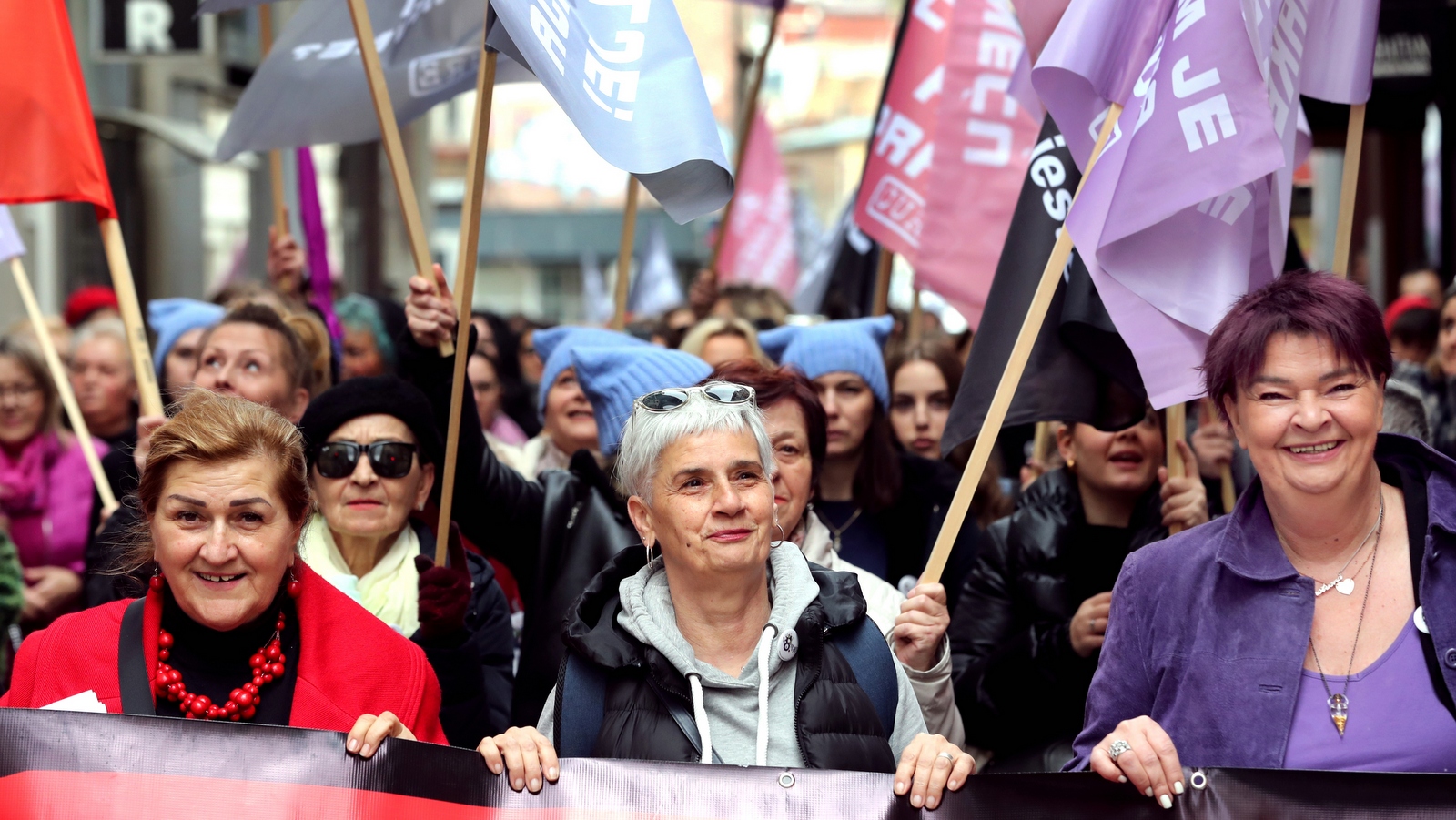
The Role of Women in Promoting Sustainable Peace
The importance of women’s participation in peacebuilding efforts cannot be overstated. Research highlights that their involvement in peace negotiations can lead to a reduction in the likelihood of conflict resurgence by as much as 37%. However, historical events like the signing of the Dayton Peace Agreement in 1995 exemplified a significant shortfall in this regard, as women were notably absent from the negotiations.
Historical Context
At the time of the Dayton Peace Agreement, UN Resolution 1325—which emphasizes the link between gender equality and international peace—had yet to be adopted, yet voices were already advocating for the meaningful inclusion of women in peace processes. Background documents such as the Vienna Declaration of 1993 were calling for “full and equal participation of women in political, civil, economic, social, and cultural life at all levels.”
Frameworks Supporting Women’s Inclusion
In addition to the Vienna Declaration, the Beijing Platform for Action specifically highlighted the necessity of women’s involvement in conflict resolution and decision-making roles. It further underscored the importance of fostering a culture of peace, advocating for women’s engagement in all levels of peacebuilding.
Conclusion
The absence of women in pivotal peace negotiations has historically hindered the potential for lasting peace. The affirmation of women’s roles in conflict resolution and peacebuilding must be prioritized to ensure a more sustainable, peaceful future. Recognizing the critical contributions women make is not just a modern ideal; it is a necessity backed by empirical evidence.
