


Wunmi Mosaku stars as Annie in Ryan Coogler’s upcoming film, Sinners, set to be a landmark release in 2025. In the fictional setting of Clarksdale, Mississippi, Annie supports her community by providing homemade remedies, drawing upon her extensive knowledge of the Bible, human anatomy, and the supernatural. She is notably the only character aware of the impending societal unrest surrounding a gathering of Black residents at a local juke joint, marking an intersection of personal and communal histories. This film continues the tradition of invoking conjure, a spiritual practice rich in complexity, rooted in African American history.
Lindsey Stewart’s latest book, The Conjuring of America: Mojos, Mermaids, Medicine, and 400 Years of Black Women’s Magic, arrives at a pivotal moment, coinciding with increased attention towards conjure practices. As defined in the book, conjure encompasses elements not only found in Sinners but also in HBO’s Lovecraft Country and Beyoncé’s Lemonade, illustrating its cultural relevance amid contemporary struggles for civil rights within marginalized communities.
Understanding Conjure
Conjure, historically linked to the experiences of enslaved people, is a hybrid practice that amalgamates elements from various religious traditions, including African, Christian, and Indigenous faiths. Though once predominantly led by women, the practice has evolved to include diverse practitioners. Many conjurers maintain a belief that the spiritual realm can offer healing, guidance from ancestors, and natural remedies, often functioning as community healers.
Historical Context and Influence
Stewart argues convincingly that conjure is deeply woven into the fabric of American culture. Everyday customs, like eating black-eyed peas on New Year’s Day or carrying lucky charms, draw from conjure traditions. Stewart emphasizes the hidden contributions of Black women throughout American history, particularly during critical periods such as Reconstruction and Jim Crow laws, marking them as integral to the shaping of societal norms and domestic practices.
The Rich Tapestry of Conjure
In her exploration, Stewart highlights connections between conjure and other Afro-diasporic traditions, including Obeah and Santería, noting their shared roots yet distinct evolutions due to geographical and cultural contexts. The term “hoodoo,” often synonymous with conjure, may represent reconfigured beliefs stemming from more formal African religions, as noted by Katrina Hazzard-Donald in her work, Mojo Workin’: The Old African American Hoodoo System.
Cultural Echoes in Everyday Life
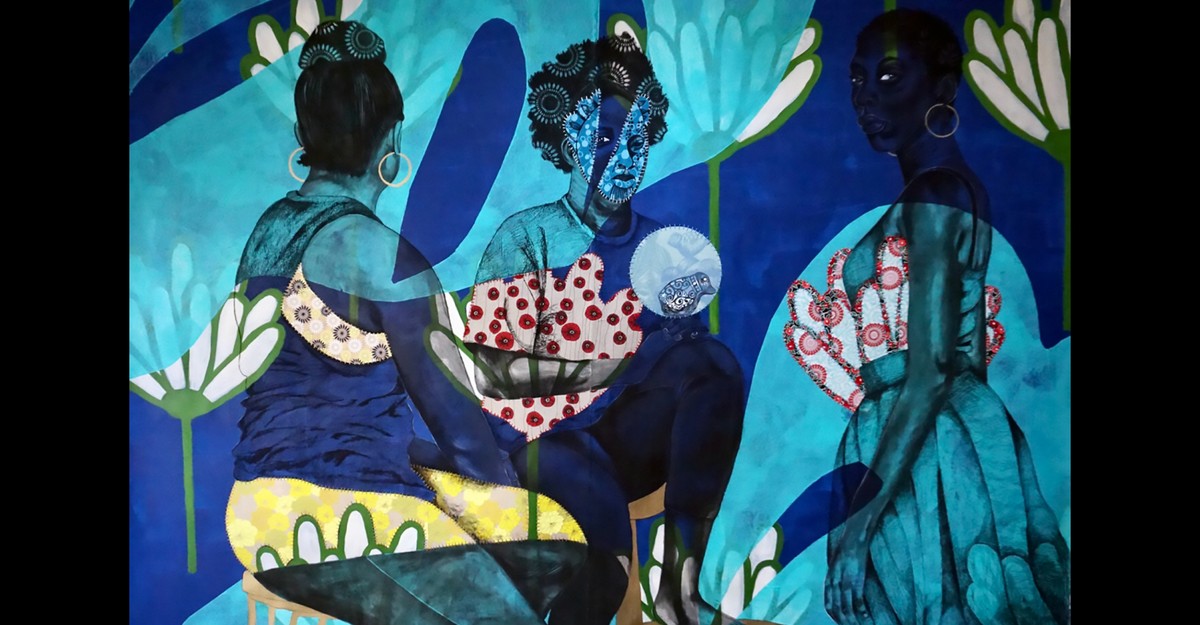
Stewart identifies numerous modern-day remnants of conjure in seemingly mundane materials and practices. For example, the indigo-dyed denim first made by enslaved artisans and the blues music genre frequently allude to conjure with their reference to spiritual practices and rituals. The belief that singing can function as a form of conjure reflects a broader understanding of art as a means of emotional and spiritual release.
Conjure in the Kitchen
Stewart draws particular attention to culinary practices as a site of conjure. Notably, Leah Chase, a prominent figure in New Orleans, believed that one’s attitude while cooking influenced the outcome of the dish. This belief echoes West African traditions where cooking vessels are thought to harbor spirits. Such connections illustrate how conjure can infuse daily activities with spiritual significance, offering both solace and defiance, especially against historical adversity.
The Continuity of Conjure
In contemporary contexts, conjure persists through various forms—from practitioners conducting community workshops to informal advice shared among friends. Stewart artfully connects this heritage with modern expressions such as the #BlackGirlMagic movement, emphasizing the importance of preserving and passing down knowledge in a climate where historical erasure is becoming increasingly prevalent.
When you buy a book using a link on this page, we receive a commission. Thank you for supporting The Atlantic.
