


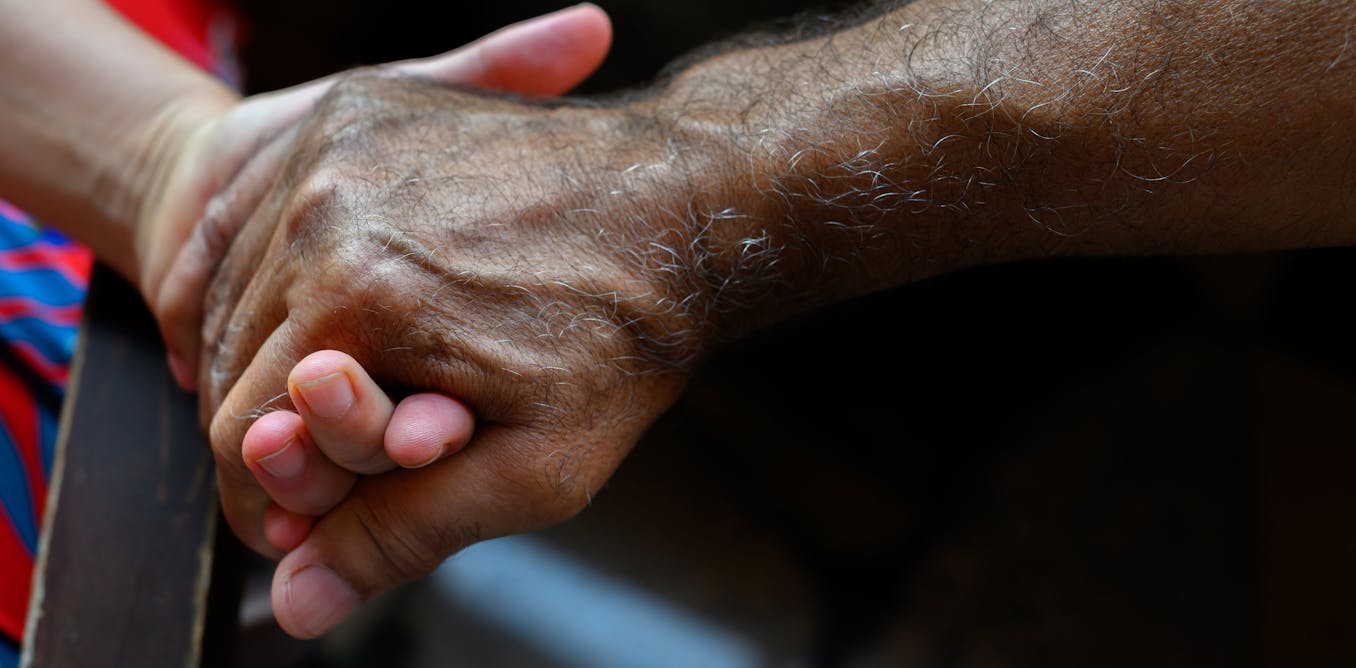
The Dynamics of ‘Blesser’ Relationships in South Africa
Defining the ‘Blesser’ Phenomenon
In South Africa, a “blesser” refers to an older, typically affluent man who provides financial support, gifts, or lifestyle benefits to a younger woman in return for a sexual relationship. While similar arrangements occur globally, the South African context is particularly influenced by rampant inequality, high youth unemployment, and a culture that values conspicuous consumption. As a result, this term has evolved into a mainstream and, for some, an aspirational concept among urban youth.
The Socioeconomic Landscape
South Africa is recognized as the most unequal nation worldwide, facing significant challenges such as widespread poverty and high unemployment rates, especially among youth aged 15-24. Engaging in a relationship with a blesser can present an avenue for upward social mobility, with tangible rewards like smartphones, designer clothing, and financial assistance for education.
Risks Associated with Blesser Relationships
Although these transactional relationships may appear to provide a shortcut to independence or social status, emerging research highlights the considerable long-term health risks associated with them. A team of researchers recently conducted a nationwide analysis examining how these partnerships affect sexual health outcomes for adolescent girls and young women throughout South Africa.
Health Outcomes and Related Risks
The research unveiled that young women involved with blessers face heightened risks for a multitude of health issues, including:
- Increased likelihood of HIV infection
- Higher rates of early pregnancy
- Vulnerability to gender-based violence
These risks often interact and exacerbate one another, which is particularly concerning in a country with pervasive societal inequities and limited personal agency.
Prevalence of Blessers
In a comprehensive study encompassing over 3,000 sexually active adolescent girls and young women across multiple regions, nearly 6% were reported to have been in or are currently in relationships with blessers. While this percentage may seem minor, it represents a significant number of young women at a heightened risk across the nation.
Pathways to Increased Risk
The risks associated with blessers arise from several interconnected pathways, including:
- Age and Power Imbalance: Older partners often retain control over decisions, making it difficult for young women to assert their needs.
- Challenges in Condom Negotiation: Economic dependency can prevent young women from insisting on safe sexual practices.
- Concurrency of Partners: Blessers typically have multiple sexual partners, elevating the risk of sexually transmitted infections.
- Economic Dependence: Reliance on blessers can trap women in relationships that may compromise their safety or happiness.
- Peer Pressure: The social prestige associated with being seen with a blesser can influence other young women to enter similar relationships.
Consequences of These Relationships
The HIV prevalence among young women aged 15-24 in South Africa stands at 6.9%, significantly higher than the 3.5% prevalence among their male counterparts. Furthermore, unplanned adolescent pregnancies disrupt education, with more than 12% of all births in 2023 occurring to girls ages 10-19, and over three-quarters of those pregnancies were unintended. Violence against young women also undermines their health and overall potential for the future.
Recommendations for Change
To mitigate the impacts of such relationships, several urgent actions are needed:
- Provide comprehensive information on sexual health, power dynamics, and rights.
- Create economic opportunities to lessen dependency on blessers.
- Establish safe spaces for mentoring and counseling to help young women navigate relationships.
- Engage in community discussions to challenge harmful societal norms.
Addressing the challenges associated with blessers requires a systemic approach that prioritizes secure livelihoods, equitable partnerships, and supportive community frameworks.
Conclusion
The phenomenon of blessers is not merely a moral dilemma but a reflection of deeper social and economic issues. No young woman should feel compelled to choose between immediate support and long-term health and wellbeing.
