


Controversy Surrounds Female Politicians in New Zealand
Recent Revelations and Their Implications
Recent developments in New Zealand politics have raised serious concerns regarding the treatment of female politicians. Auckland Mayor Wayne Brown faced criticism for making inappropriate remarks about a fellow councillor during a meeting. These comments were shared openly in front of other colleagues, sparking outrage about the prevailing atmosphere in local governance.
Additionally, a recorded conversation involving Councillor Maurice Williamson has surfaced, where he shared inappropriate gossip about Wellington Mayor Tory Whanau. This incident, coupled with an unfounded email by mayoral candidate Ray Chung that alleged Whanau took part in dubious activities, underscores a troubling trend in political discourse.
Historical Context of Women in Leadership
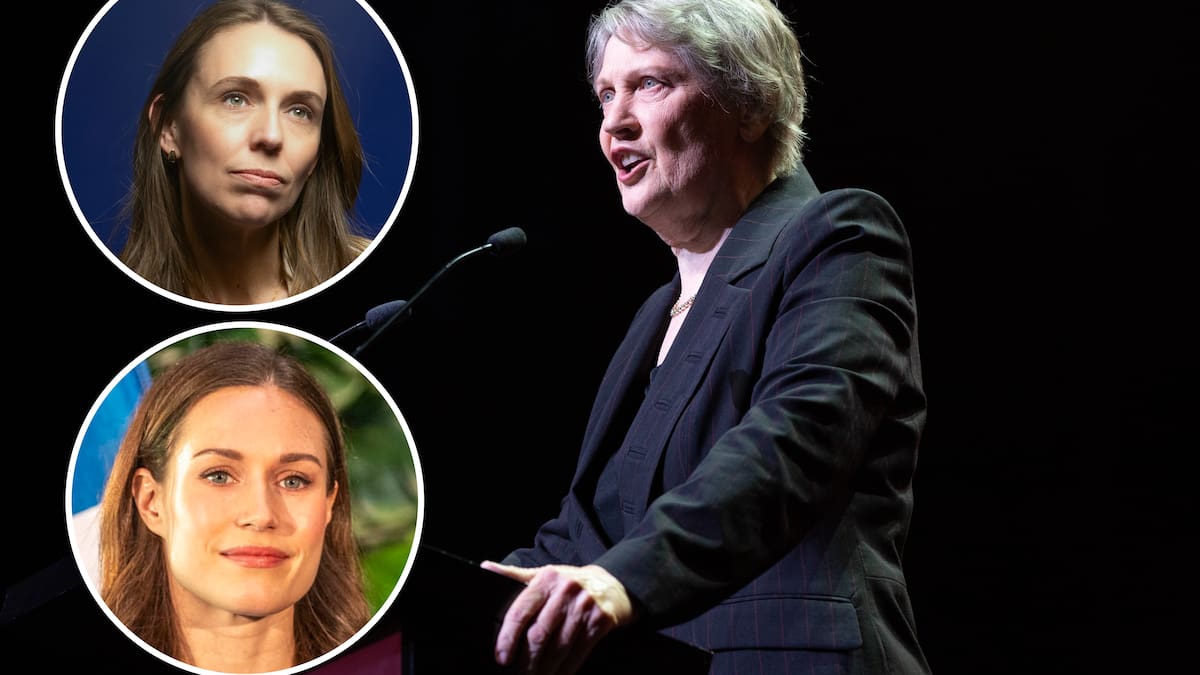
The situation reflects broader societal issues involving the criticism of women in leadership. Helen Clark, New Zealand’s first female Prime Minister, commented on these recent incidents, asserting that such abuse of female leaders is not novel but has been exacerbated by social media. She emphasized, “the age of social media enables the false allegations to be magnified beyond what was possible in the past.”
The Role of Social Media in Amplifying Abuse
Clark highlighted how tools like automated bots and anonymous online profiles contribute to the relentless harassment faced by women in politics. This digital environment allows harmful rumors to gain traction quickly, creating a toxic atmosphere that discourages many from pursuing public office.
Impact on Female Politicians
Research from the Hate & Extremism Insights Aotearoa group at the University of Auckland reveals that former Prime Minister Jacinda Ardern was the target of nearly 93% of the most hostile online posts directed at seven prominent New Zealand politicians from 2019 to 2022. This study noted that the volume and intensity of such abuse increased as the Covid-19 pandemic subsided.
In a similar vein, Finnish Prime Minister Sanna Marin experienced considerable backlash and was subjected to gendered attacks that questioned her leadership. This pressure affected her to the extent that she voluntarily underwent a drug test following unjust speculation related to her personal life.
The Need for Support and Resistance
Clark’s reflections leave us with a poignant message about the environment for women in politics: “We can’t stand alone. We need networks. We need others supporting us because it is a tough environment.” She encouraged solidarity among women and urged society to focus on issues rather than personal attacks.
As the narrative surrounding female leaders evolves, Clark called for a reconsideration of public discourse, questioning whether individuals would support such treatment of female family members involved in public life.
Looking Ahead
The issues highlighted by these incidents suggest a pressing need for cultural change in political arenas, ensuring that female politicians are not only respected for their contributions but also protected from distasteful commentary. The future of women in leadership depends on collective advocacy for respectful discourse and firm resistance against misogyny.
