


The Rise of Women’s Sports Bars: Trends, Challenges, and Opportunities
In recent years, the emergence of women’s sports bars has marked a significant shift in how sports entertainment is offered in the U.S. The Sports Bra, located in northeast Portland, Ore., has emerged as a pioneering example of this trend. Since opening in 2022, it has reported impressive revenues, exceeding $1 million within its first eight months, a figure that continues to grow annually.
The Concept and Growth of Women’s Sports Bars
The Sports Bra is the first bar dedicated exclusively to showcasing women’s sports. Following its initial success, it has attracted venture capital investment, notably from Alexis Ohanian, cofounder of Reddit, along with his 776 Foundation. This capital is set to support the opening of additional locations in major cities such as Boston, Las Vegas, Indianapolis, and St. Louis.
According to a March NBC News analysis, the number of specialized women’s sports bars in the U.S. is expected to reach 25 by the end of the year—marking a substantial increase of around 300% since 2024, when no such establishments existed.
Engagement and Market Opportunity
Interviews with several women’s sports bar owners reveal a unified vision for the future, fueled by the increasing popularity of women’s sports. Research from 2025 indicates that fans of women’s sports engage more than general sports enthusiasts, highlighting opportunities in areas such as online content consumption, game attendance, and merchandise sales.
Challenges in Securing Funding
Despite the promising market environment, many women’s sports bar owners have faced significant obstacles securing funding. Initial loan applications often encounter rejection due to perceived risks associated with novelty and the low-margin hospitality sector. For example, Jenny Nguyen, owner of The Sports Bra, encountered issues when seeking business loans, stating, “This was a concept that had literally never been done before.”
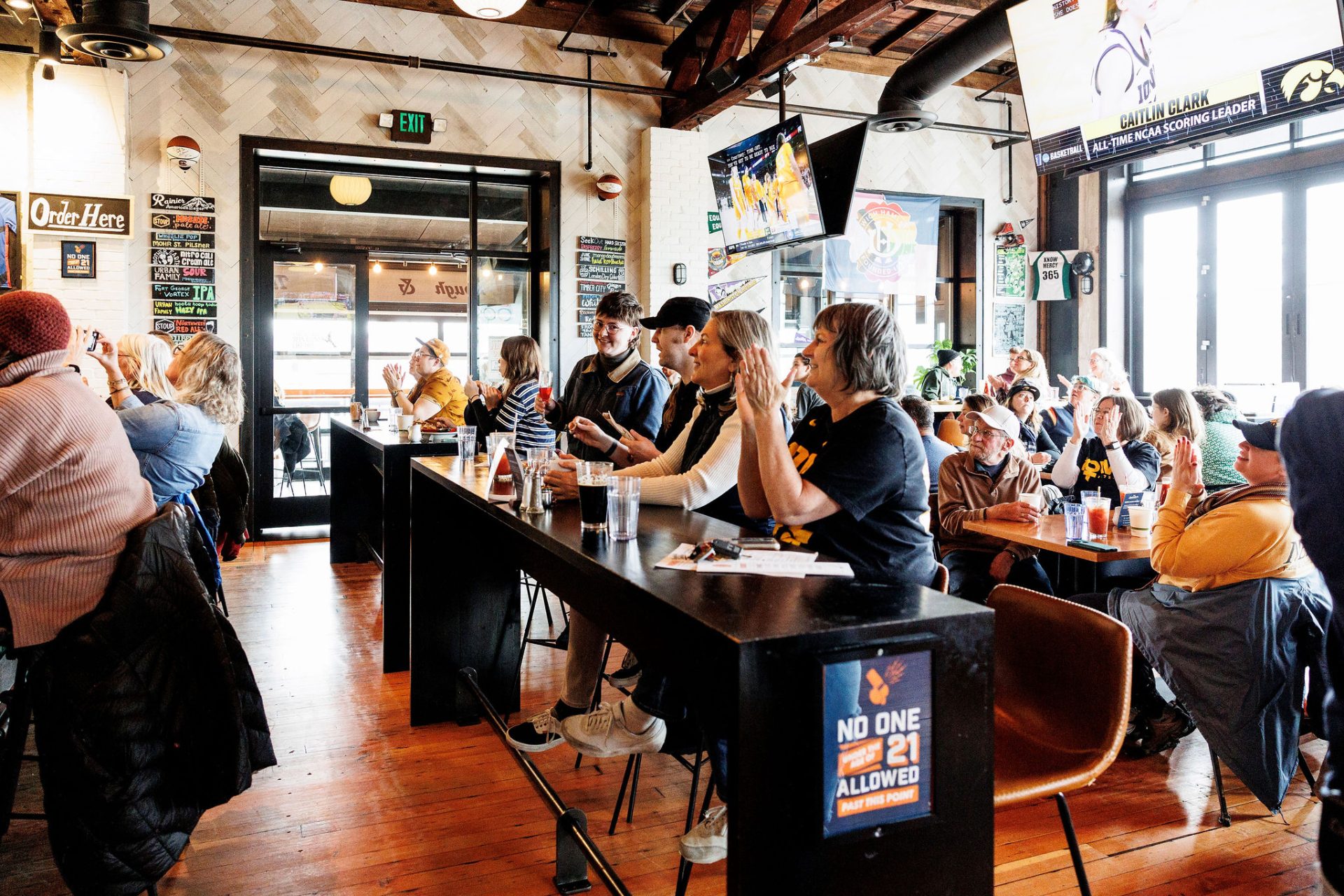
Jen Barnes, owner of the Rough & Tumble Pub in Seattle, encountered similar challenges, explaining, “Most banks I approached were ‘categorically uninterested’ in funding my concept.” The struggle for financing is compounded by the broader trend of female entrepreneurs facing hurdles in the startup landscape.
Funding Strategies and Innovations
To navigate these funding challenges, many owners tap into personal sources, such as savings and retirement funds, as well as exploring crowdfunding options. For instance, Jillian Hiscock successfully raised over $200,000 for her Minneapolis establishment, A Bar of Their Own, while other efforts have yielded more modest results.
Access to Live Sports Programming
Another major hurdle for these bars remains the logistics of streaming live women’s sports. Unlike traditional sports bars that can access games through standard cable subscriptions, women’s sports bars often require a complex combination of multiple subscriptions, which raises operational costs. Barnes emphasizes this challenge by stating, “We have no choice but to resort to a never-ending array of subscriptions.”
Creating Unique Environments
To distinguish themselves from traditional bars, women’s sports bars strive to create welcoming atmospheres. Barnes notes the design of her bar promotes openness and light, aiming to make customers feel at home. Emily Durham from JLL highlights the importance of these bars in creating distinct community hubs that tie into local sports culture.
The Future of Women’s Sports Bars
Despite existing challenges, the ongoing popularity and engagement surrounding women’s sports bode well for the longevity of these specialized establishments. The success of The Sports Bra signifies a promising future, potentially paving the way for additional traditional funding avenues. Barnes sees potential partnerships with current and former athletes as essential for future growth in this sector.
Conclusion
As women’s sports continue to gain traction, women’s sports bars not only provide a niche for dedicated fans but also represent a growing segment of the hospitality industry. The success stories emerging from Portland and Seattle highlight both the potential for profitability and the numerous challenges these innovators face in securing the necessary resources to succeed.
