


The Rise of Women’s Sports: A New Era of Equality and Achievement
This article first appeared in Forum, The Edge Malaysia Weekly on August 11, 2025 – August 17, 2025
Historical Context: A Long-Standing Battle
The journey toward gender equality in sports has been fraught with challenges, beginning with historical opposition to women’s participation. For instance, in 1921, the English Football Association (FA) declared that football was “unsuitable for females,” leading to a ban that would last until 1971. Despite this suppression, women found ways to compete clandestinely, such as an England team that won an underground tournament in Berlin in 1957.
Recent Achievements and Growing Popularity
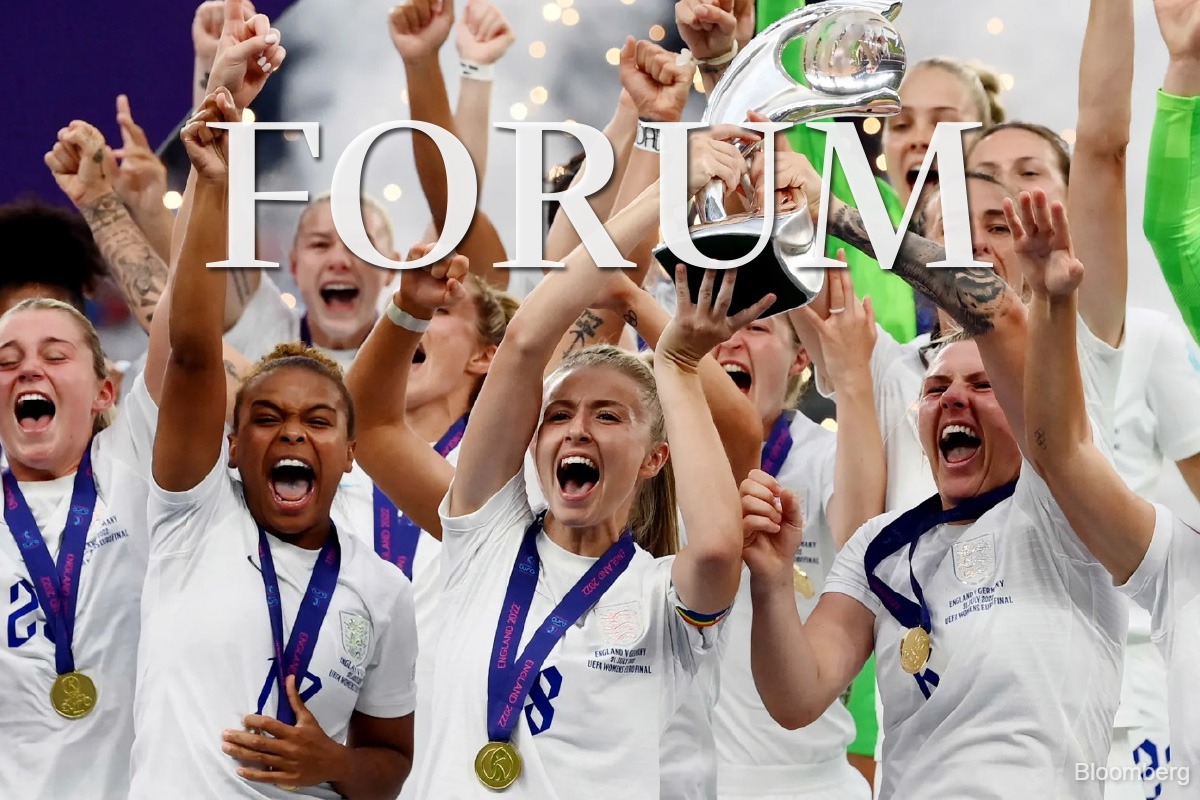
Turning to recent events, the UEFA Women’s European Championship held in Switzerland recently showcased the undeniable growth of women’s football. The tournament was a landmark event, attracting substantial viewership and record attendance, with a total of 657,291 spectators across 25 days. The surge in interest was particularly evident as prize money for participating teams increased to £35 million, more than double the previous amount.
- The final attracted the UK’s largest television audience of the year.
- England’s Lionesses received a hero’s welcome in London, celebrating their championship win.
- Club level milestones included Arsenal Women’s signing the first £1 million transfer, Olivia Smith.
A Broader Analysis: Women’s Sports on the Rise
The prominence of women’s sports is not confined to soccer; remarkable attendance figures are also anticipated in upcoming women’s rugby and cricket World Cups. For instance, the women’s T20 World Cup final in 2024 in the UAE saw a record turnout of 91,030, surpassing even previous expectations. Globally, women’s professional sports revenue is projected to soar to $2.4 billion by 2025, escalating from $692 million in 2022 according to Deloitte.
Commercial Interests and Global Trends
The corporate sector is increasingly recognizing the potential in women’s sports. High-profile endorsements and investments include:
- A $111 million acquisition of the Mumbai Indians in the Women’s Premier League by Reliance Industries.
- Disney’s $250 million investment in Angel City, part of the U.S. National Women’s Soccer League.
Challenges and Opportunities Across Continents
Despite the optimistic global landscape, challenges persist. Women’s competitions in regions such as Africa and Asia struggle with participation rates and visibility. For instance, the Women’s Africa Cup of Nations last faced underwhelming attendance numbers except for the host nation, which demonstrates the varying levels of development and interest across different regions.
Confederation of African Football general secretary Veron Mosengo-Omba noted, “We need time to progress, but with the potential that we have, we will reach the level of sister competitions.” Similar sentiments have been echoed in Asia, emphasizing the need for growth and investment.
Unique Identity and Future Directions
Women’s sports are carving out their own identities, with tennis standing as a prime example of equitable progression. The Women’s Tennis Association has pioneered gender parity in prize money, ensuring that women share equal billing with their male counterparts. As women’s leagues gain traction, there is a strong argument for developing their own structures, free from the overshadowing influence of men’s competitions.
Conclusion: A Bright Future Ahead
As women’s sports continue to thrive, the momentum for equality and recognition grows stronger. Current developments, such as Everton Football Club’s decision to repurpose Goodison Park for their women’s team, symbolize a shift towards valuing women’s contributions in sports. Celebrating these advancements, it is vital to recognize the ongoing journey toward equality in sports, with optimism for the future.
Bob Holmes is a long-time sportswriter specializing in football.
