


Closing the Gender Gap: Unlocking Pakistan’s Economic Potential
The Underutilization of Women in Pakistan’s Workforce
Pakistan’s economy operates at a fraction of its potential due to the substantial underutilization of women, who constitute almost half of the population. Despite this, women’s participation in the labor force stands at a mere 21%, ranking among the lowest globally. In contrast, neighboring countries exhibit higher rates, with Bangladesh at 38%, India at 29%, and even conservative economies like Saudi Arabia reaching 37% following significant reforms.
Economic Impact of the Gender Gap
The gender gap is not just a social issue; it is a critical economic challenge. The World Bank estimates that closing this gap could enhance Pakistan’s GDP by an impressive 30%, potentially adding between $75 billion to $85 billion to the economy. This underrepresentation of women in formal employment hampers productivity and stifles growth, particularly in the middle class, which is already facing inflation and stagnant wages.
Challenges to Female Participation
Several factors deter women’s participation in the workforce, including:
- Cultural norms that restrict women’s employment opportunities
- Lack of adequate childcare support
- Poor public transport systems
- Dominance of informal labor where many women work unpaid or in low-paying jobs
Data from the Pakistan Bureau of Statistics reveals that over 70% of employed women engage in agriculture or informal sectors, often lacking access to social security and skill development programs. Unpaid care work consumes approximately 4.5 hours daily for women, compared to one hour for men.
The Necessity of Reforms
Addressing not just participation but also productivity is crucial. For instance, nearly half of Pakistan’s educated women are outside the labor force, which reflects inefficient use of human resources. Enhanced female participation is vital, as dual-income households have proven to offer higher savings and investment potential, forming the backbone of economic stability.
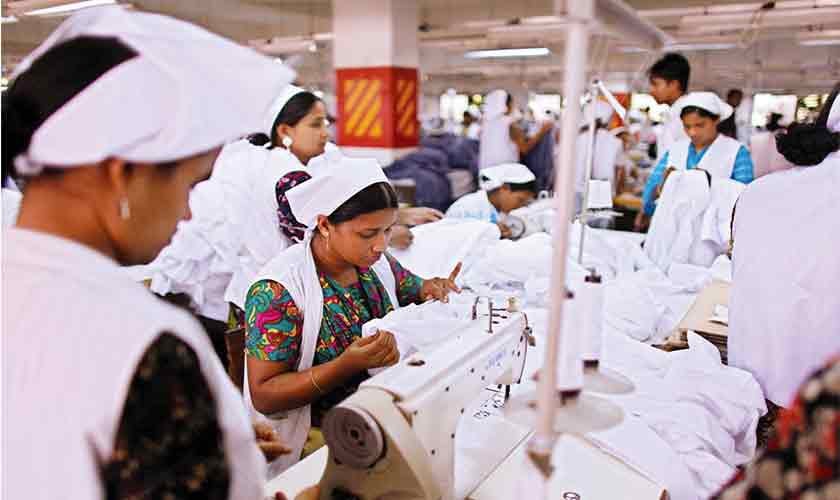
The Asian Development Bank’s research shows that economies with greater female labor inclusion tend to be more resilient. By looking at successes in countries such as Bangladesh, where female employment in the garment sector significantly contributed to poverty reduction and steady GDP growth, Pakistan has the opportunity to rethink its approach.
Recommendations for Economic Inclusion
“If Pakistan is serious about growth, female economic inclusion must be treated as a macroeconomic priority, not a social afterthought.”
In light of these challenges, Pakistan should consider practical reforms such as:
- Implementing childcare tax credits to support working mothers
- Offering incentives to employers for creating inclusive workplaces
- Enacting flexible employment laws to facilitate remote and part-time work
- Establishing women’s entrepreneurship funds to provide financial support for female-led small and medium enterprises
Additionally, improvements in transportation and safety infrastructure are necessary to encourage female workforce participation. Introducing measures like dedicated public transport systems for women could facilitate easier access to workplaces.
Conclusion
Empowering women is key to unlocking Pakistan’s economic potential. The country cannot afford to overlook half of its population while grappling with issues such as slow growth and stagnant foreign investment. By investing in women’s inclusion in the workforce, Pakistan can pave the way for a more robust, innovative, and sustainable economy.
