


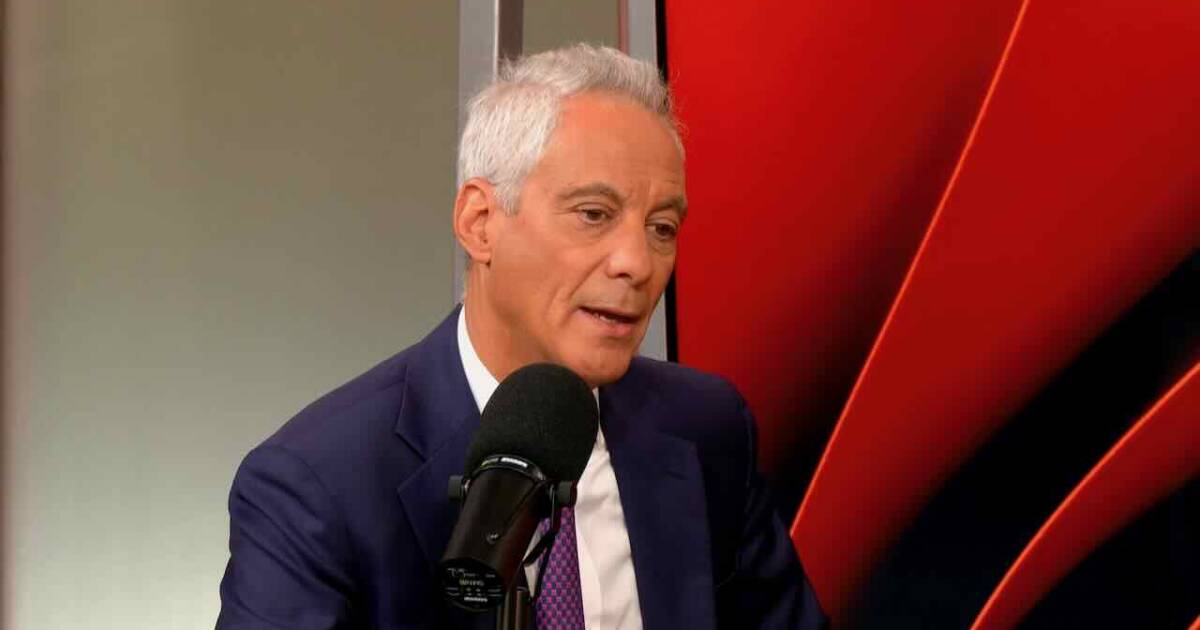
Rahm Emanuel’s Stance on Gender Issues: An Insightful Interview with Megyn Kelly
In a notable exchange during a recent episode of “The Megyn Kelly Show,” former Chicago mayor and political figure Rahm Emanuel addressed contentious debates surrounding gender policies. This conversation follows the Trump campaign’s polarizing ad emphasizing traditional views, which resonated strongly with many swing voters in the 2024 election cycle.
Context of the Discussion
Eight months post-election, the Trump administration has moved to fulfill promises including the prohibition of “gender affirming care” for minors and banning male athletes from competing in women’s sports. Meanwhile, Democratic leaders, including California Governor Gavin Newsom, have struggled to articulate their stance on similar issues, revealing a rift in their party’s approach.
Insights from the Interview
During the interview, Emanuel displayed a centrist viewpoint, particularly regarding radical gender ideology. He highlighted that Democrats should focus more on pressing educational issues rather than solely on pronoun recognition. Emanuel articulated his belief that prevailing culture wars have been detrimental for the Democratic Party.
Key Questions and Responses
-
Do you believe boys should be able to play in girls’ sports?
“No,” Emanuel answered succinctly.
-
Should minors be allowed to receive puberty blockers or cross-sex hormones?
Emanuel stated, “I think parents have to make that decision themselves,” emphasizing that children under 18 should not face such irreversible decisions without mature judgment.
-
Do you oppose the Tim Walz policy in Minnesota that allows children to override parental decisions on gender affirmation?
“Yeah, look, I think these are life decisions,” Emanuel commented, insisting on the necessity of parental involvement.
-
Should biological males be placed in female prisons based on their gender identity?
Emanuel firmly replied, “No.”
-
Can a man become a woman?
Emanuel answered, “Not—no.”
Reactions and Observations
Following the interview, commentators expressed mixed reactions. Some suggested Emanuel appeared unprepared for the questioning, particularly given the nature of Kelly’s inquiries. Others noted his clarity in expressing traditional views, marking a shift within the broader Democratic discourse on gender issues. Dan Turrentine commented on Emanuel’s balancing act, stating he would need to appease the progressive base while holding centrist views.
Conclusion
The discussion highlights the ongoing complexities within political ideologies surrounding gender issues. Despite Emanuel’s attempts to articulate a centrist perspective, the challenges for Democratic leaders in addressing culture wars remain evident. The full interview provides further insight and can be accessed on various platforms for those interested in the evolving dialogue surrounding these sensitive topics.
