


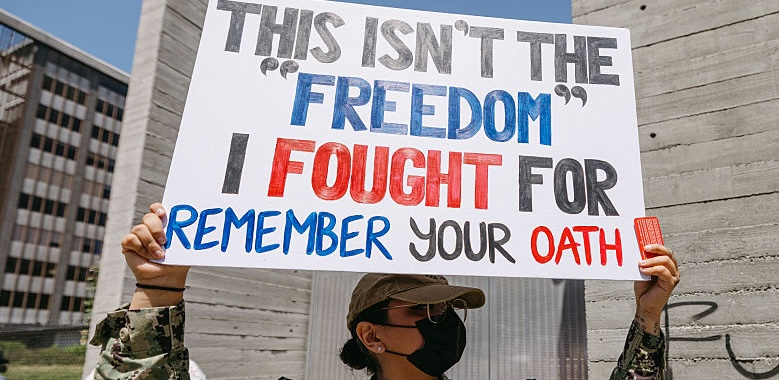
Women’s Rights: A Continuing Struggle for Equality in 2025
Since the ratification of the 19th Amendment on August 26, 1920, which granted women the right to vote in the United States, there have been significant strides toward gender equality. Congress later designated this date as Women’s Equality Day in 1971, commemorating the ongoing struggle for equal rights. However, nearly a century later, the conversation surrounding women’s rights remains as pertinent as ever.
In 2025, several voices assert that gender equality is a “false narrative” and that women have achieved all they need. Such claims obscure the harsh realities facing many women today, where their rights are increasingly under threat. This situation is compounded by a political climate that often disregards the lived experiences of women.
Current Challenges Facing Women’s Rights
The following issues have emerged as significant concerns over recent years:
- Reproductive Rights: The overturning of Roe v. Wade in 2022 represented an unprecedented withdrawal of a fundamental right. Currently, 12 states have enacted near-total bans on abortion, including cases of rape or severe medical risk, while an additional 29 states enforce varying constraints based on gestational age.
- Divorce Legislation: Several states are attempting to revoke no-fault divorce laws, which could entrap women in abusive situations.
- Healthcare Access: The closure of over 300 maternity wards over the last two decades has created “maternity care deserts,” making basic healthcare increasingly inaccessible for many women.
- Workplace Protections: Title IX guidelines face ongoing political threats, and the gender pay gap persists, with women earning approximately 83 cents for every dollar earned by men, and even less for women of color.
- Voting Rights: Laws aimed at voter suppression disproportionately affect women, particularly women of color. Since 2020, over 20 states have enacted measures making voting more difficult.
- Educational Censorship: More than 16,000 books, many by or about women and LGBTQ+ authors, have been banned since 2021, stifling crucial narratives in educational institutions.
- Bodily Autonomy: In several states, proposed laws are considering criminalizing women traveling for abortion care or accessing specific medications.
These are not mere inconveniences; they form the foundation of equality and are gradually being dismantled.
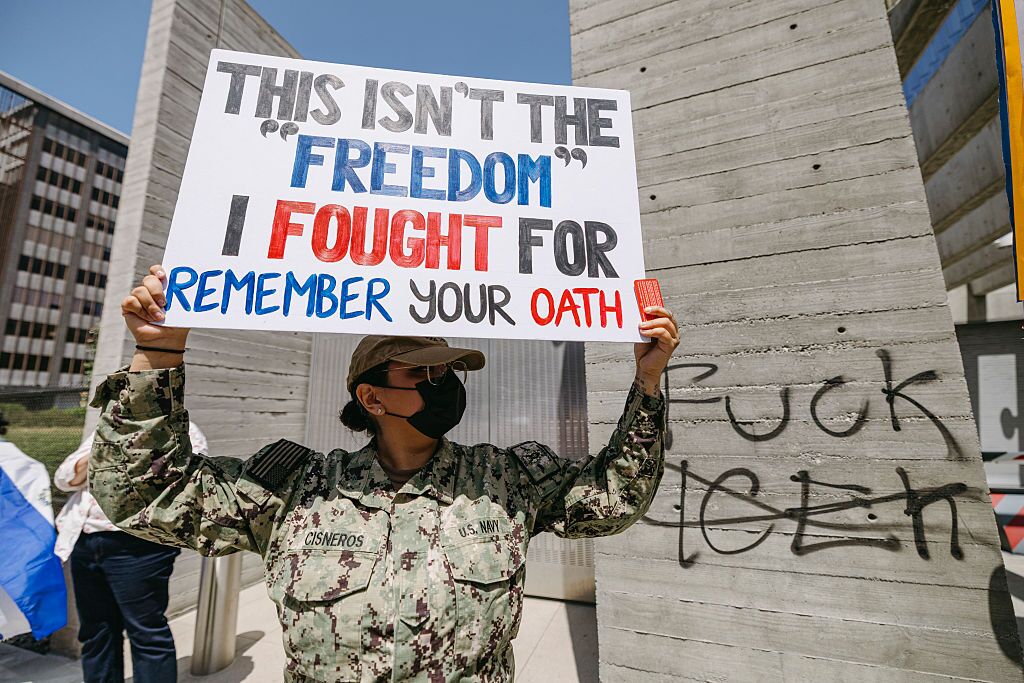
Rise of Extremist Ideologies
Alarmingly, extremist ideologies are gaining traction. Christian nationalist figures advocate for regressive views, asserting that women should be submissive and excluded from critical roles in society. For instance, pastor Douglas Wilson’s rhetoric diminishes women’s value to biological reproduction, while his movement aims to criminalize both abortion and homosexuality. This shift is concerning, as it ties directly into influential political entities.
Demand for Change
This ongoing situation is alarming, requiring a decisive response. It is essential to foster a culture that promotes women’s achievements in every sector—from leadership roles to scientific advancements. Women have long been at the forefront of advocating for equality, and their contributions continue to reshape societal norms.
The struggle for women’s rights remains vital. As society commemorates Women’s Equality Day, it must be a catalyst for action, not merely a symbolic occasion. If the erosion of women’s rights persists, the implications extend beyond just women; it threatens the very principles of democracy. A collective voice calling for equality is imperative, elevating the demand for rights that are equal, just, and long overdue.
