


The Evolution of Pilates: A Shift Towards Inclusivity
Background and Origins
Originating from rehabilitation practices during wartime, Pilates was founded by Joseph Pilates, who later established his first studio in New York City. Initially, it attracted dancers, as its principles aligned with their training, focusing on enhancing strength, flexibility, and posture.
The Female Dominance in Pilates
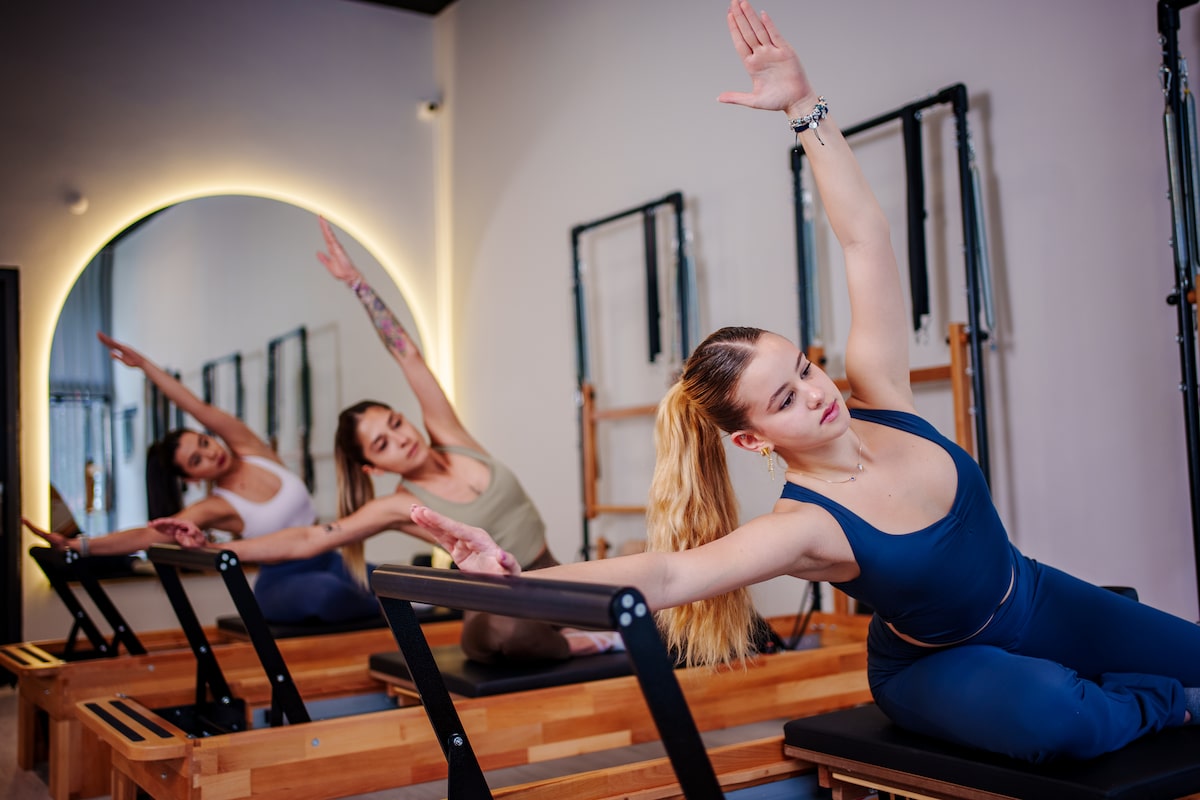
Over time, Pilates has become predominantly associated with women. This trend is evident in reformer Pilates classes characterized by tightly-knit group dynamics, often leading to the perception of these spaces as safe havens devoid of male presence. The approach emphasizes core strength and poise, traits valued particularly in female fitness.
Changing Demographics: Men Join the Movement
Recently, high-profile athletes such as Cristiano Ronaldo, David Beckham, and LeBron James have recognized the advantages of Pilates, thereby encouraging male participation. However, this shift has met with mixed reactions from some female practitioners who view it as an intrusion into their established sanctuary.
Perspectives from the Community
Comfort Levels in Mixed Classes
Sarah Ferland, a trauma-based therapist in Toronto, expresses her concern over the men’s presence in Pilates as it alters the space she regards as supportive. She notes the close proximity of reformers can be uncomfortable, especially for women.
Social Media Insights
This sentiment is echoed across social media platforms, where videos reveal female users discussing their discomfort with male classmates. This reaction stems from past experiences of criticism or unwelcome attention in traditional fitness environments.
The Necessity of Inclusive Spaces
A study in the U.K. highlights that a significant portion of female gym-goers—nearly half—have received unsolicited comments from men, underscoring the demand for spaces where women can feel secure. Taylor McKee, an assistant professor, emphasizes the importance of fostering such environments for both personal growth and fitness progress.
Performance Benefits for Everyone
Despite issues surrounding gender dynamics, the physiological benefits of Pilates remain universal. It enhances balance, proprioception, and serves as a rehabilitative tool, appealing to a wider audience regardless of gender. Raza Awan, a sports medicine physician, illustrates this point by sharing his transition from student to instructor at a Pilates studio.
Addressing Concerns: Creating a Welcoming Environment
As Pilates studios adapt to attract more men, some are modifying class structures to be more approachable for those used to traditional sports. For instance, mobility-focused sessions aim to entice male athletes who may feel alienated by the typical, more fluid Pilates environment. Ariel Swan, cofounder of Jaybird Studio, supports strategies that minimize judgment, thus making classes more inviting.
Conclusion: Building Bridges in Fitness
While there are calls to maintain female-centric spaces in Pilates, many agree that it is not the presence of men itself that poses a problem, but rather behavior that can create discomfort. Priya Gill, a dedicated Pilates participant, advocates for an inclusive approach, stating, “All bodies deserve to feel safe in whatever fitness studio they want to go to.”
