


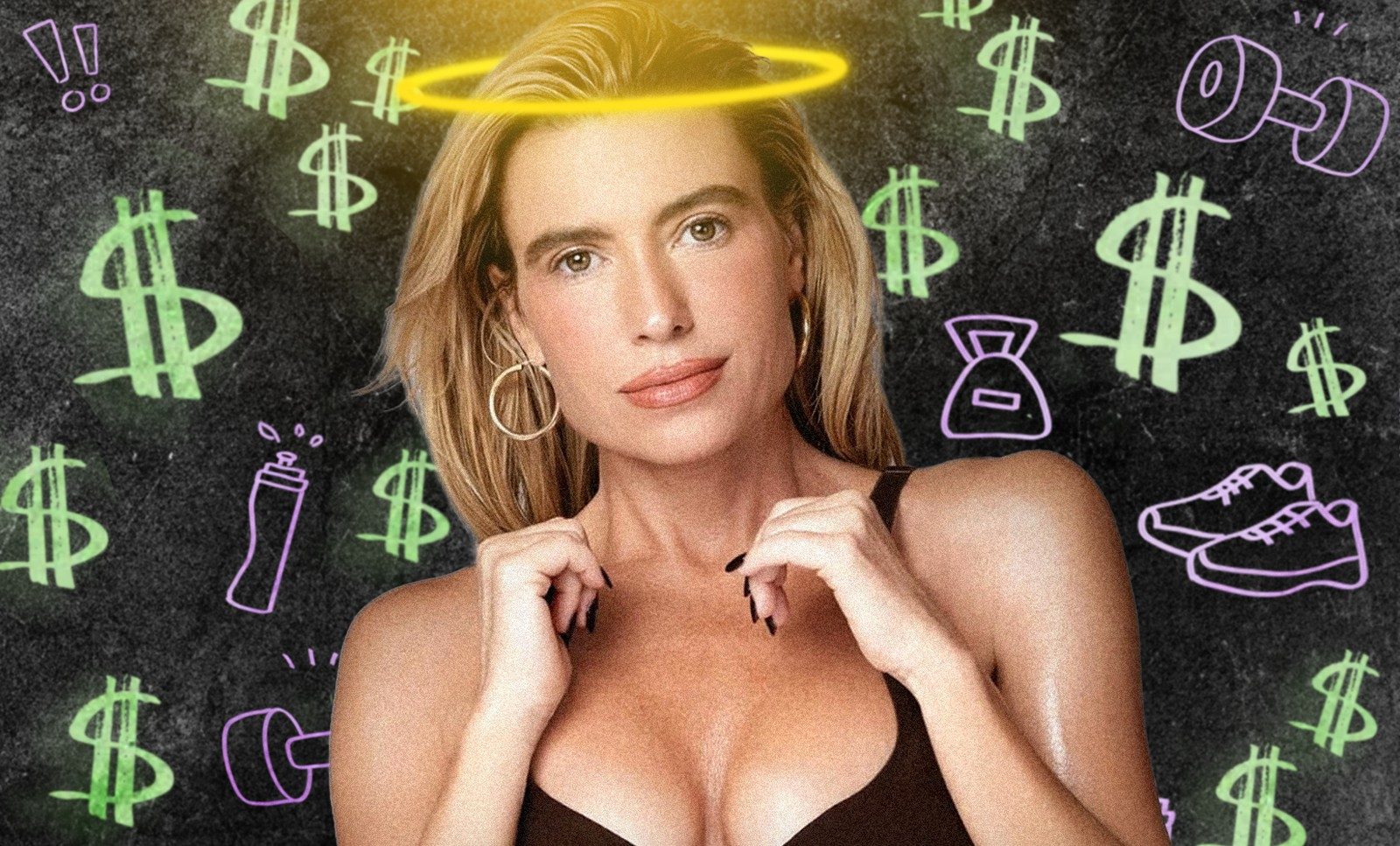
The Cultural Impact of Tracy Anderson’s Fitness Empire
On a recent overcast morning in London, I stepped into Surrenne, a private members’ gym located below the opulent Berkeley Hotel. This gym serves as the London base for Tracy Anderson, a prominent figure in women’s fitness and a purveyor of contemporary beauty ideals—think toned yet voluptuous physiques.
A Unique Experience in Fitness
Upon entering, I was greeted by a warm atmosphere, heated to 90 degrees Fahrenheit, reminiscent of her New York classes. While Tracy Anderson herself was not present, Javi, an amiable Spanish instructor, took charge. He quickly established the session’s main principle: “No talking, just music.” The class initiated with nuanced arm movements that grew more vigorous, showcasing a blend of Pilates and dance.
Empowerment and Transformation in ‘Tracy World’
Anderson’s method is more than a workout regime; it’s a transformative lifestyle. Many of Anderson’s dedicated followers claim that practicing her routines is life-changing. Her terminology reflects a holistic approach, emphasizing concepts like empowerment, purpose, and personal transformation. Many women, striving for adherence to current beauty standards, have engaged with her fitness philosophy, contributing substantially to her financial success, reportedly amounting to $100 million.
Digital Expansion and Influence
Anderson’s digital presence extends far beyond elite circles, with over a million Instagram followers and a subscription-based online studio akin to a fitness-focused Netflix. While her public relations team withheld explicit figures regarding class participation, the over 15 million TikTok videos related to her workouts imply a vast reach. Known initially for training celebrities like Gwyneth Paltrow, she ultimately established her brand in a market where fitness is increasingly perceived as a status symbol.
Historical Context of Fitness Trends
The phenomena surrounding fitness have deep historical roots. Pioneers like Joseph Pilates and Bikram Choudhury launched fitness movements that combined physical transformation with wellness. Their revolutionary methods attracted attention and initiated significant lifestyle changes for many, similar to what Anderson accomplishes today.
Emergence of Female Fitness Icons
In the latter half of the 20th century, the fitness landscape began to evolve, with figures like Lotte Berk and Jane Fonda popularizing unique methods that appealed to women’s growing autonomy. Aerobics and ballet barre became not just activities for fitness but expressive outlets for women gaining newfound freedoms.
Tracy Anderson’s Marketing Savvy
What distinguishes Anderson from her predecessors is her adept utilization of the internet to expand her brand. Her ascent paralleled growing female economic power, with women controlling a substantial portion of U.S. wealth—estimated to reach $30 trillion by 2030. This financial independence drives the demand for premium fitness solutions.
The Economics of Wellness
Within the modern fitness scene, high pricing complements a growing demand for exclusivity and personal betterment. Membership fees at her physical studios can exceed $13,400 annually, while specialized equipment and apparel are marketed at steep prices. This emphasizes a cultural shift where spending on fitness is seen as a moral commitment to personal development.
The Pandemic: A Pivotal Moment
The COVID-19 pandemic proved to be a significant turning point for Anderson’s business. With traditional fitness studios shuttered, her online offerings became a comforting refuge for many. Reportedly, her business grew by 120% during this time, as individuals sought solace and routine through structured workouts. However, the pandemic also saw a rise in mental health challenges related to body image and self-worth, emphasizing the need for a critical examination of wellness culture.
Societal Implications and Reflections
The intersection of capitalism and the wellness movement raises essential questions about authenticity and accessibility in fitness. The focus on physical transformation as a marker of moral worth can inadvertently alienate those unable to participate in this high-cost culture.
A Conclusion on Personal Fulfillment
My experience in Anderson’s class left me invigorated, yet reflective. While fitness offers potential for transformation, true wellness must be accessible to all. Each individual’s ability to engage with their health and body should not be limited by financial constraints, underscoring an essential debate in contemporary wellness culture.
