


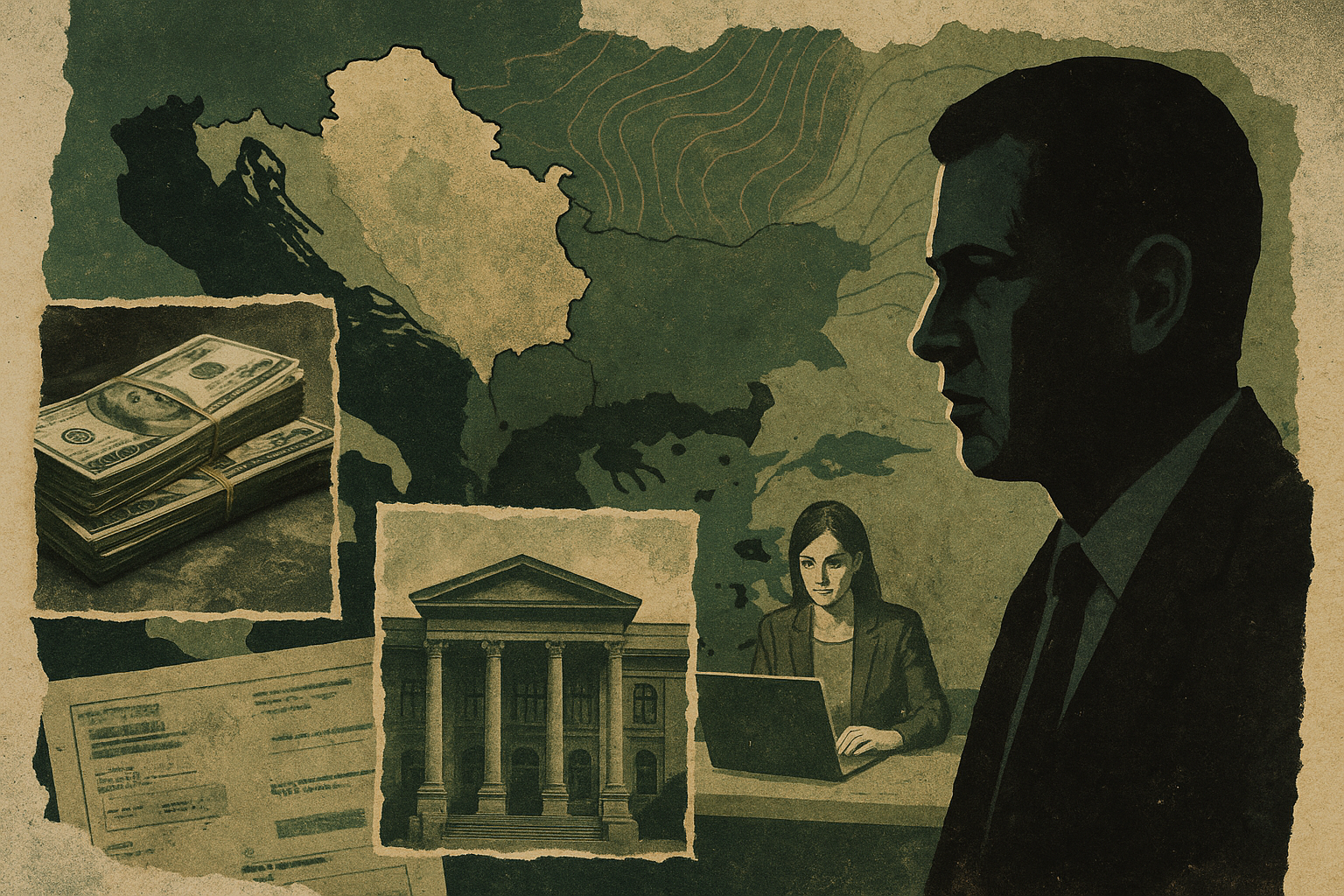
Money Laundering in the Western Balkans: Trends and Challenges
Overview of the Illicit Financial Landscape
Money laundering serves as a significant facilitator of organized crime within the Western Balkans, enabling illegal enterprises to convert ill-gotten gains into legitimate financial assets. This article delves into the ongoing trends and vulnerabilities contributing to this illicit financial environment.
Factors Contributing to Money Laundering
The interplay of systemic corruption, insufficient regulatory frameworks, and a large informal economy creates an environment conducive to money laundering. Key issues include:
- Illicit Activities: Revenue from drug trafficking, arms smuggling, human and migrant trafficking, tax evasion, and cybercrime is often laundered.
- Exploited Sectors: Industries such as construction, real estate, and cash-heavy businesses are frequently targeted for money laundering activities.
- Common Methods: Techniques like bulk cash smuggling, corporate layering schemes, trade-based money laundering, underpriced real estate sales, and loan-back arrangements are prevalent.
The Role of Professional Enablers
Individuals in professions such as notaries, accountants, and attorneys play a crucial role in laundering processes. Occasionally, high-profile entertainers also find themselves involved, directly or indirectly aiding in the integration of illegal finances. Additionally, the infiltration of law enforcement, the abuse of remittance channels, and the rise of digital currencies pose further challenges for effective detection and prosecution.
Gender Dynamics in Money Laundering
Recent studies highlight a growing involvement of women in money laundering networks. While some actively engage in financial transactions, others support criminal enterprises from within their professional roles.
Locations of Concern
Capitals and major urban centers, particularly tourist hotspots, are often the epicenters for money laundering activities. These locations host high-value real estate transactions and substantial cash flows, amplifying existing risks.
The Impact of Global Trends
Global events, including geopolitical changes and technological advancements, exacerbate vulnerabilities associated with illicit financial flows. This dynamic environment necessitates a strategic response to address these evolving challenges.
Recommendations for Action
The report emphasizes the need for enhanced measures, including:
- Prosecution of money laundering as an independent crime.
- Strengthening mechanisms for asset recovery.
- Improving transparency within financial systems.
- Fostering regional and international cooperation to effectively combat cross-border laundering activities.
Conclusion
Recognizing and understanding the intricate methods and networks behind money laundering is essential for various stakeholders, including governments, law enforcement agencies, policymakers, and civil society. Efforts to combat money laundering must focus on addressing root causes such as corruption and the exploitation of legal entities, while also demanding stronger institutions and proactive civil society oversight.
Additional Resource
To further raise awareness about illicit financial flows in the Western Balkans, the GI-TOC has introduced an online toolkit dedicated to this issue. This initiative is made possible through the support of the German Agency for International Cooperation (GIZ) and the Norwegian Ministry of Foreign Affairs. Access the toolkit here.
