


Enhancing Gender Representation: Sussan Ley’s Stance on Women in the Liberal Party
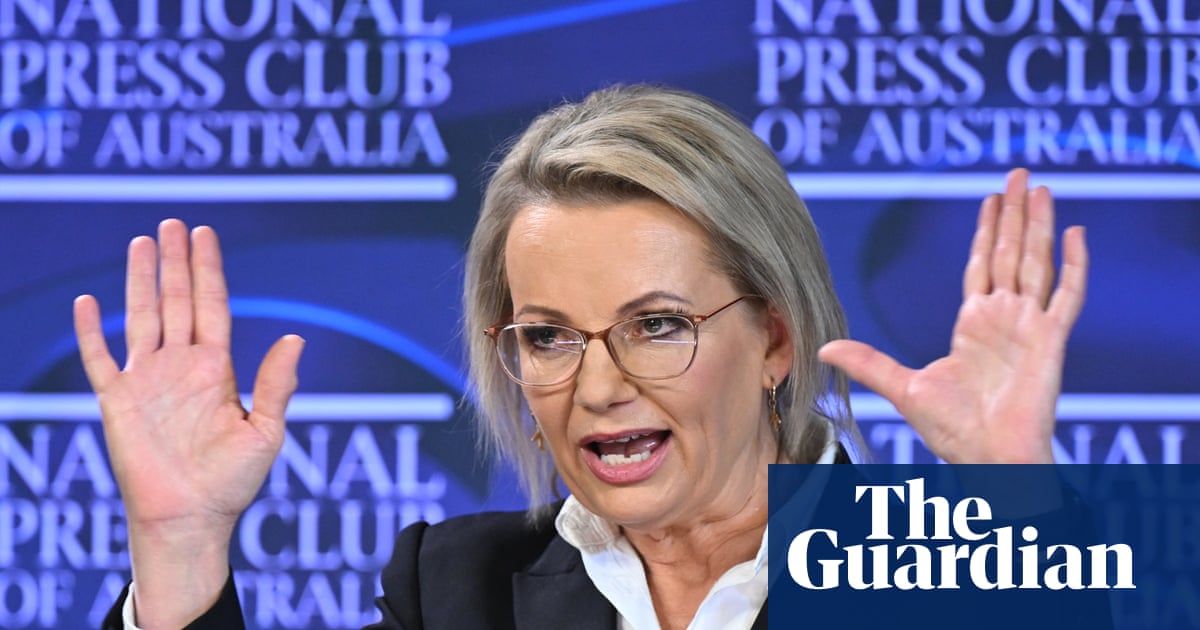
In a recent statement at the National Press Club, Sussan Ley, the first woman to lead the Liberal Party, expressed her commitment to increasing female representation within the party. Ley referred to herself as a “zealot” in this initiative but refrained from endorsing formal quotas or mechanisms specifically aimed at achieving gender equity before the upcoming election.
Party Review and Future Direction
Addressing the aftermath of the Coalition’s electoral defeat on May 3, Ley announced plans for a second review focusing on the party’s future. She cited the development of a new energy and emissions policy that will be spearheaded by frontbencher Dan Tehan. Ley is set to convene meetings with both the shadow ministry and the Liberal party room this week to enable representatives to voice their concerns regarding the election loss and contribute to the ongoing policy review, which will be guided by Nick Minchin and Pru Goward.
Current Gender Representation in the Party
The Liberal party currently faces challenges concerning gender diversity, as women make up only about 20% of its lower house representatives. This figure has remained unchanged from the previous federal parliament, in stark contrast to Labor’s 50% female representation. Ley underscored the necessity for the party to nominate more women in winnable seats, stating, “Current approaches have clearly not worked, so I am open to any approach that will.”
On Quotas and Representation
While Ley remains neutral on whether specific quotas should be implemented, she noted that the responsibility for managing preselection processes rests with state divisions. She indicated that if certain divisions opted to pursue quota systems, she would not oppose this initiative.
“If some state divisions choose to implement quotas, that is fine. If others don’t, that is also fine. But what is not fine is not having enough women,” she asserted.
Policy Directions and Emissions Strategy
In her remarks, Ley also weighed in on climate policy, stopping short of endorsing the net-zero emissions target set for 2050. She indicated previous support for emissions reduction efforts but noted the need for a stable, affordable energy framework as a precursor to any ambitious environmental goals. A new working group, under the leadership of Tehan, will focus on ensuring that any energy plan fosters reliability for households and businesses while meeting emissions reduction targets.
Stance on Taxation
When questioned about the government’s potential tax reforms, Ley expressed skepticism toward increasing taxes, particularly the Goods and Services Tax (GST). She remarked, “As soon as you say there’s a case for raising tax, my instinctive answer is ‘no’,” emphasizing the importance of holding the government accountable for its proposals.
