


Supreme Court Set to Review Major Transgender Rights Cases in Sports
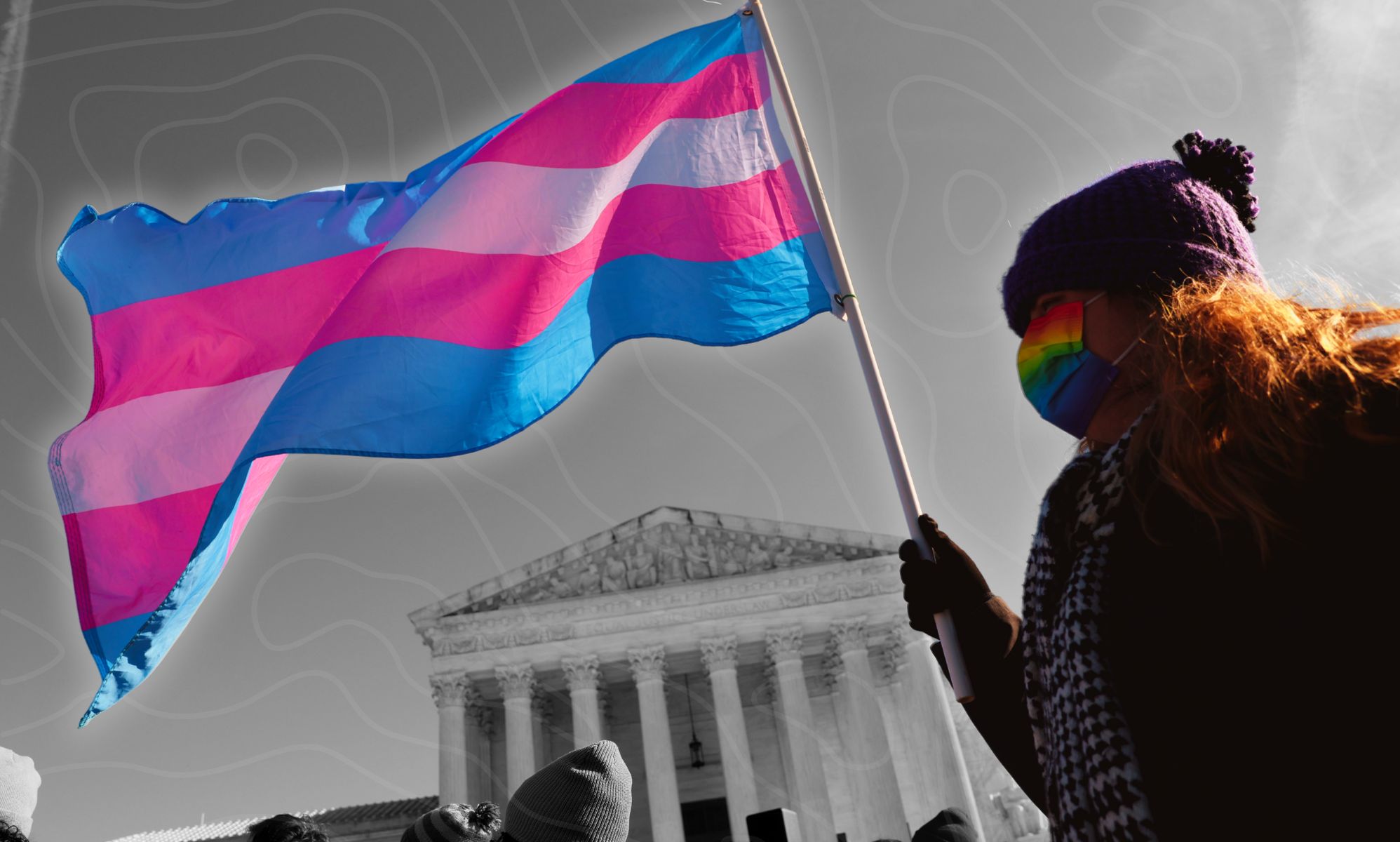
The Supreme Court is poised to hear critical cases regarding state bans on transgender women participating in women’s sports, potentially leading to significant rulings on transgender rights in the United States.
Political Context
In October 2024, prior to his election, former President Donald Trump pledged to prohibit transgender athletes from competing in female sports categories. Following his inauguration in February 2025, he enacted Executive Order 14201, titled “Keeping Men Out of Women’s Sports,” aimed at enforcing a nationwide ban on transgender women athletes in girls’ and women’s teams.
State Responses and Tensions
Since the issuance of the executive order, tensions have surged between the Trump administration and several states. Notably, during a governors’ meeting at the White House on February 22, Trump threatened to withhold federal funding from Maine after Governor Janet Mills expressed her intention not to comply with the executive order.
California’s Governor was similarly threatened over the case of a single high school athlete, AB Hernandez, who identifies as transgender. Confusion ensued during a June 18 visit by members of Juventus FC to the White House, where Trump engaged in an unexpected discussion about transgender athletes, leaving players perplexed.
Recent Developments in Educational Institutions
In a significant move earlier this month, the University of Pennsylvania removed swim records of transgender athlete Lia Thomas, aligning with the Trump administration’s policies on transgender participation in sports.
Legal Proceedings Before the Supreme Court
According to reports from Forbes, the Supreme Court will examine two pivotal cases: West Virginia v. B.P.J. and Little v. Hecox, both concerning state-mandated bans on transgender women in sports. These cases question whether these laws violate the Equal Protection Clause of the 14th Amendment, as they impose restrictions based on biological sex.
The Supreme Court has been approached to address these cases after lower courts previously blocked state-level laws rooted in compliance with the executive order, allowing affected plaintiffs to compete in women’s sports. However, the court opted not to consider a separate case related to Arizona’s similar ban, raising further questions about the trajectory of trends regarding transgender rights in the U.S.
Conclusion
As the Supreme Court gears up to address these key legal challenges, the outcome will likely have far-reaching implications for transgender rights and sports participation across the nation.
Image Caption: A person holds a trans flag outside the Supreme Court. (Getty/Canva)
