


Concerns Amidst Legal Changes for Trans Rights in the UK
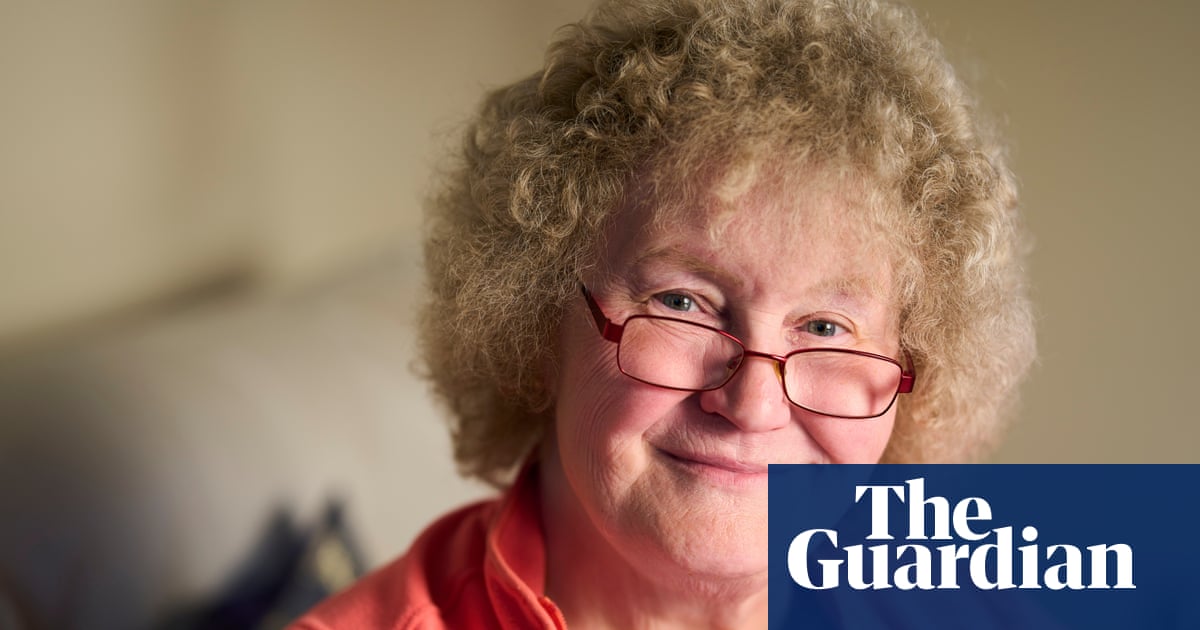
70-year-old Janey, who has lived as a woman for nearly five decades, expresses a familiar fear that has resurfaced with recent legal developments regarding transgender rights. “The fear is back,” she states, reflecting on the anxiety she felt when beginning her transition in 1979. Despite having an accepting Irish family and a career in the mental health sector, she still hesitates before entering women’s bathrooms at work, worried about potential backlash.
The worry among the transgender community intensified following last week’s Supreme Court ruling, which has caused alarm over the interpretation of legal definitions surrounding gender. The unanimous decision indicated that the Equality Act 2010 does not identify transgender women holding gender recognition certificates (GRCs) as women within its legal framework. This conclusion was echoed by Kishwer Falkner, chair of the Equality and Human Rights Commission, who stated that the ruling implies that only biological women can access single-sex facilities.
Reflections from the Community
Janey, whose name has been changed for privacy, recalls the dangers faced in the 1980s as a transgender individual, where societal acceptance was scarce, and violence against those perceived as different was prevalent. While she has grown more confident in her identity over the years, the recent legal shifts make her uneasy. “Rights can be knocked out in a second,” she warns, drawing comparisons with rising anti-trans sentiments in the United States.
Diana James, 66, a domestic abuse support worker, underscores the shock this ruling has brought, especially for older trans women who have established lives and are now facing uncertainty regarding their safety and dignity. She notes that, over the decades, there has been a slow yet positive progression in awareness and rights for transgender individuals, with many hoping it would continue.
A Shift in Advocacy and Rights
The campaign for gender recognition saw a turning point in 2017 when discussions around self-identification laws gained traction. This period also coincided with the rise of groups advocating for “sex-based rights,” which stirred public debate surrounding transgender rights in relation to women’s safety. James emphasizes that public conversations quickly devolved into a polarized battle despite the lack of evidence suggesting that trans people pose a threat to cisgender women.
Christine Burns, a retired activist, notes the significant impact of the Gender Recognition Act of 2004, which allowed many transgender individuals to change their legal gender. “That legislation mattered so much to people,” she states, acknowledging that the act’s intent was to provide a semblance of respect and privacy for those transitioning. However, Burns highlights that with the emergence of social media, trans individuals found new avenues for connection and activism that previously were difficult to navigate.
Historical Context and Ongoing Challenges
Stephen Whittle, a critical figure in the fight for transgender rights, reflects on how the early campaigns taught trans individuals the importance of standing up for their rights. He recalls being vilified by media in the past, yet he sensed a growing acceptance toward the mid-2010s. “But since then, there has been this decline, and it has been vicious,” he notes, indicating a resurgence of hostility toward transgender people in public discourse.
Roz Kaveney, a 75-year-old poet, voices her alarm regarding the Supreme Court’s judgment, fearing that it could empower individuals to take surveillance into their own hands, which could lead to harassment of transgender individuals and those who do not conform to traditional gender norms.
The Path Forward
James expresses concern that maintaining access to public facilities will now depend on societal perceptions of “passing privilege,” where individuals qualify to use certain facilities based simply on their appearance. “Isn’t that what we fought against in the 70s and 80s?” she questions, reflecting on the battles for bodily autonomy and representation.
Throughout their struggles, transgender advocates have historically maintained solidarity with women’s rights movements. Whittle underscores this relationship, stating that both groups have fought for mutual respect and understanding. The Missed opportunity to collaborate effectively has become apparent in light of current challenges.
The recent legal rulings have left many feeling vulnerable, especially those who have benefitted from previous rights and protections. Kaveney encourages younger generations to be vigilant but resilient, emphasizing the need to advocate for their rights. “I’d say to them: don’t be scared, just be prepared to fight for your lives,” she concludes, urging continued activism in the face of adversity.
