


Uttarakhand’s Uniform Civil Code: Ensuring Women’s Rights in Modern Relationships
Legislative Background
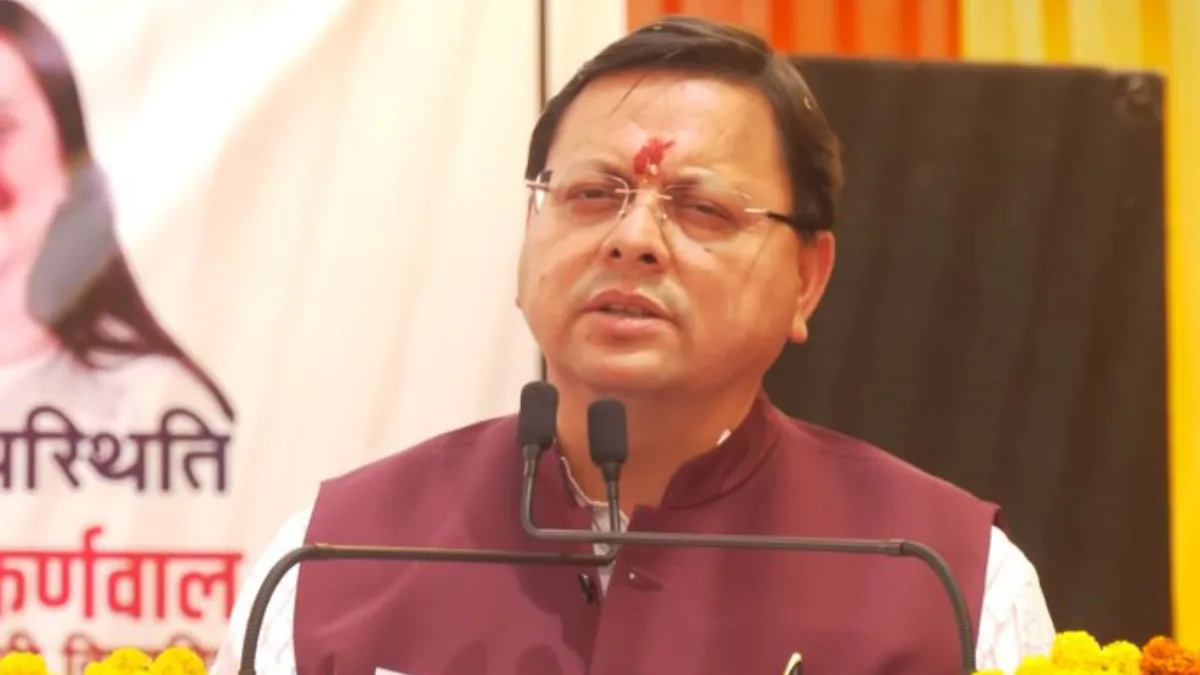
Uttarakhand Chief Minister Pushkar Singh Dhami has expressed his reservations regarding live-in relationships, stating that he personally does not support this concept. Despite his stance, he emphasizes the importance of the Uniform Civil Code (UCC) enacted by his government, aimed specifically at protecting the rights of women engaged in such relationships.
Significant Incidents Highlighting the Need for UCC
At a recent event focused on effective UCC implementation, Dhami referenced the tragic case of Shraddha Walkar, who was murdered by her live-in partner. He remarked, “Her body parts were stored in a 400-litre freezer and disposed of in a forest. Her parents were unaware of the live-in relationship, as the accused kept them misled through her social media accounts.” This incident exemplifies the dire circumstances that the UCC seeks to address.
Additionally, the Chief Minister highlighted another incident from Sitarganj, where a woman was allegedly murdered by her live-in partner. Dhami noted that a lack of official recognition for their relationship contributed to delays in justice, underscoring the necessity of formal documentation.
Objectives of the UCC
Prior to the UCC’s enactment, Uttarakhand lacked a structured legal framework governing live-in relationships. “Think about parents not knowing their children are in such relationships, and then suddenly receiving devastating news,” Dhami stated. He explained that the UCC aims to bridge these gaps by ensuring protection and legal acknowledgment.
Dhami further detailed that the UCC is designed to create legal equality and protect against discrimination based on caste, religion, or gender. His administration views the code as a mechanism for advancing women’s rights throughout the state.
Broader Implications and Empowerment
In his address, Dhami specifically mentioned the progress made for Muslim women in Uttarakhand, removing them from practices such as halala and triple talaq. He remarked, “With the UCC in place, no woman will be discriminated against in matters of inheritance or parental property.”
Moreover, he asserted that the UCC will facilitate the resolution of personal law cases, thereby promoting a more equitable legal landscape for women.
